
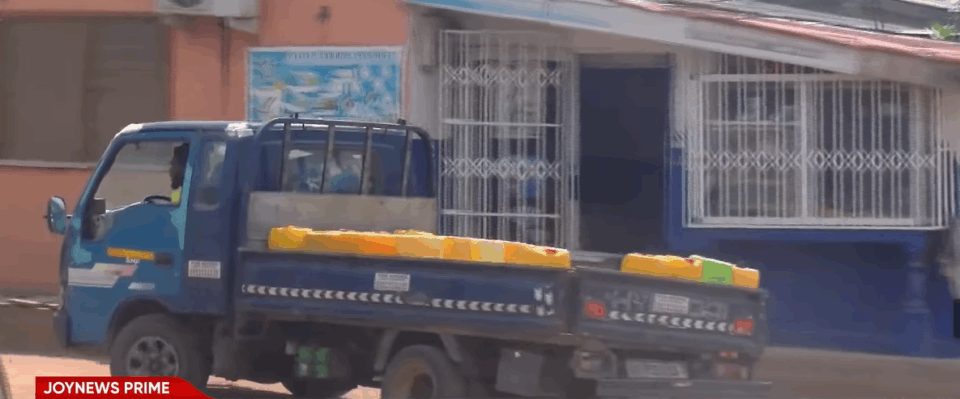

Audio By Carbonatix
A severe and prolonged water shortage in Accra’s Teshie-Nungua enclave has escalated into a public health emergency, with local clinics warning of spiralling infection risks and residents facing untenable living conditions.
The crisis stems from the ongoing shutdown of the critical Teshie-Nungua Desalination Plant, which has left entire communities without reliable access to clean water for months.
Areas including Teshie, Nungua, Baatsona, Spintex, Sakumono, and La are hardest hit.
The plant, which converts seawater to drinking water, was shut down by the Ghana Water Company Limited (GWCL) in October 2025 over unpaid debts and unresolved contractual issues with its operators.
Despite GWCL’s assurances of a speedy resolution and temporary mitigation measures, the situation has only deteriorated.
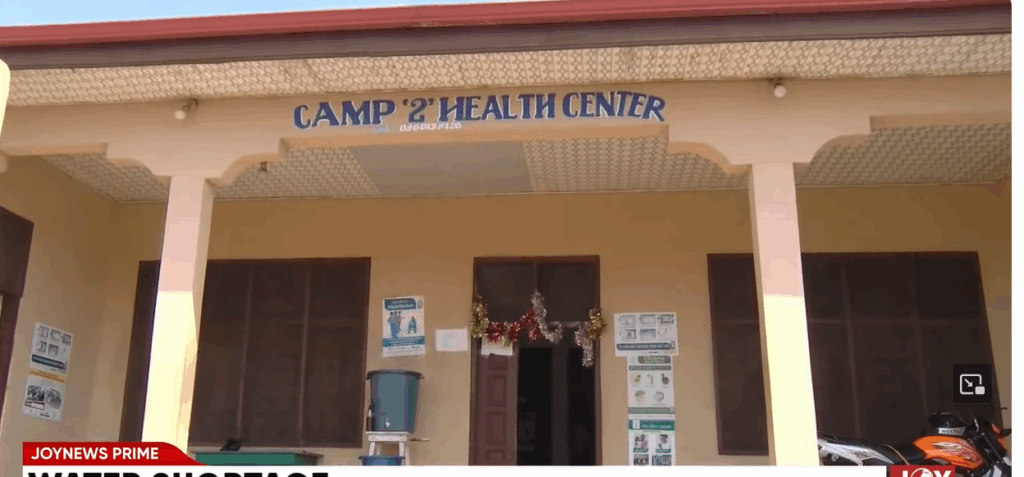
The human cost is now starkly visible at healthcare facilities like the Camp 2 Health Centre in Teshie.
Nurses describe a desperate scene where the lack of running water compromises basic sanitation, forcing staff to reuse unwashed bedsheets and leave patient washrooms unusable for hours.
“When somebody would have to use the washroom, and since there's no water to flush immediately, the next person would also have to do that. And so there's a pileup,” one nurse explained.
“So there really is going to be an infection spread.”
Healthcare workers are dipping into their own pockets to buy sachet water for patient care, a stopgap they say is unsustainable. The inability to maintain hygiene protocols is creating a dangerous environment for both patients and staff.
“We really have to show the buckets… because there is no water, sometimes you are tempted to use the sanitizer to wash your hands. And then too much of it too is not really good,” another nurse added.
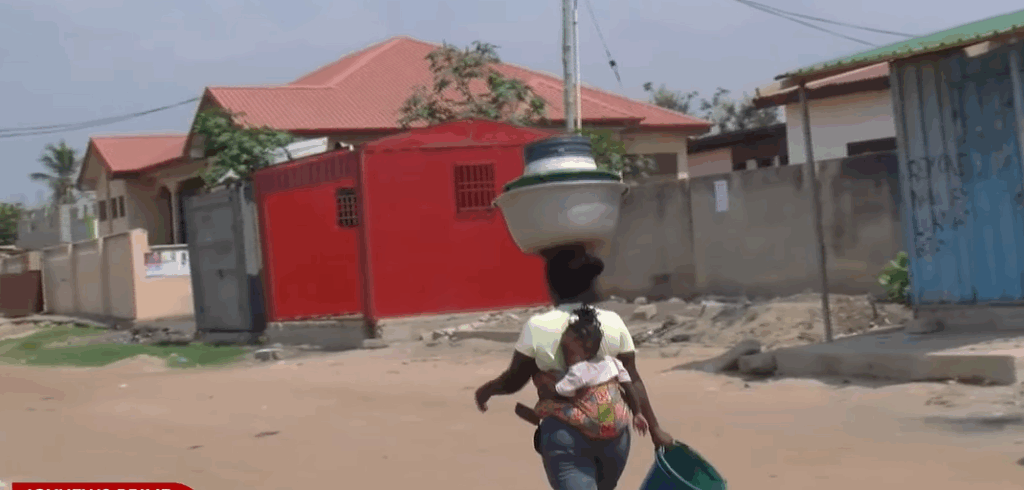
Beyond the clinic walls, residents endure a daily ordeal.
“We have to travel distances to fetch water. Sometimes 20 cities a day for the gallons of water,” a resident of Teshie Camp 2 lamented.
The scarcity has driven up the price of sachet water, placing a heavy financial burden on households and raising fears of waterborne disease outbreaks as personal hygiene becomes a luxury.
The GWCL initially stated the shutdown was to avoid further contractual difficulties and ensure facility safety, promising a quick return to operations.
However, the prolonged inaction has transformed a utility problem into a full-blown health crisis, with communities left questioning when, or if, their taps will ever flow again.
Latest Stories
-
Lucy Agyepong honoured for excellence in engineering education at maiden GAAS Women’s Awards
59 seconds -
Call to Glory
8 minutes -
AFCON 2027: Sports Minister ‘convinced’ Black Stars will qualify despite losing opening two games
9 minutes -
CUTS welcomes VAT collection on cross-border digital services, urges fair treatment of Distance Learning students on overseas programmes
13 minutes -
Leave the Chiefs and fix the Galamsey Problem: Dr Solomon Owusu Advises President Mahama
16 minutes -
Pay attention to teachers and give them what is due – Ho District GNAT tells government
20 minutes -
Authorities knew of abuse allegations against Obuasi headmaster months before suspension – JoyNews investigation
25 minutes -
US teenager appears in court over alleged Hindu temple shooting plot
27 minutes -
Academic City donates paediatric rehabilitation staircase to Ga East Hospital
31 minutes -
Services drive 7.4% expansion in Ghana’s economic activity
42 minutes -
‘I don’t make music for awards, I make it to connect people’ – Rocky Dawuni
54 minutes -
Farmer jailed for three months over assault on wife in viral video
60 minutes -
Police arrest eight in Okaishie operation targeting illicit drugs and medicines
1 hour -
David Agyemang Yeboah: Marriage is not the problem; your approach is
1 hour -
Lawyer sues Standards Authority over used-vehicle import restrictions
1 hour