

Audio By Carbonatix
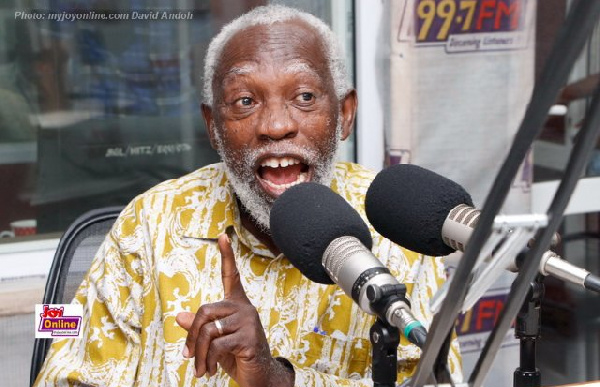
Educationist Professor Stephen Adei has voiced concerns over the practical implementation of the government’s flagship Free SHS Programme, rather than its legislative backing.
The former GIMPA rector expressed confusion over government’s decision to seek legislation now after seven years of practice.
Speaking on PM Express on Tuesday, he noted, “What they’ve done for the past several years has not been illegal; it’s been by government policy and is acceptable.”
His comment follows Education Minister Dr Yaw Adutwum’s announcement that the Free SHS Bill, 2024, will be presented to Cabinet for debate this week.
The proposed bill aims to give legal backing to free and compulsory senior high school (SHS) education, along with several other changes to the education system, including the restructuring of junior high school (JHS) and the cancellation of the Basic Education Certificate Examination (BECE) as a prerequisite for SHS admission.
Dr Aduwtum added that another proposal of the bill was the cancellation of the Basic Education Certificate Examination (BECE) as a precondition for gaining admission to the secondary level. Rather, it would be used for school selection purposes.
When passed, the certification for completing SHS would become the first level of formal certificate any student could obtain in the country, rather than the BECE certification, the Education Minister further stated.
“What we need is a law that says there should be free, compulsory universal secondary education. This means the minimum education for the Ghanaian should be a senior high school and not junior high school,” he said, adding “It is our responsibility to provide the support for them”.
Despite these proposed changes, Professor Adei remains sceptical.
He argues that the policy is sound, but the focus should be on refining its implementation rather than legislating it.
“There must be a reason why they want to bring in a law now,” he said, questioning the necessity of the proposed legislation.
Professor Adei suggests that the Education Ministry should consult with experts, stakeholders, and ordinary Ghanaians to improve the policy.
“I’ve been in public service all my life until retirement, and this is a very weird way of doing policy,” he added, emphasising the need for practical solutions over legal formalities.
Latest Stories
-
IMMILAC president recounts personal losses as security women lead breast cancer awareness campaign in Wa
6 minutes -
University of Ghana postpones October 12 reopening as GAUA strike persists
20 minutes -
Bahass Foundation launches vocational skills training to support mental health recovery in Wa
52 minutes -
NPP orders parliamentary aspirants and their supporters to suspend campaign activities
1 hour -
Techiman unites against child marriage: Joy Impact Makers Awardee leads charge on International Day of the Girl Child
2 hours -
Ghana Psychological Association calls for greater involvement of people with lived experience in mental health care
3 hours -
Ablakwa says Ghana could evacuate more citizens from South Africa if the situation worsens
3 hours -
Violence against girls must be tackled through individual responsibility – Gender advocate
3 hours -
Ghana’s BRICS bid must be guided by national interest – International Affairs Analyst
3 hours -
Journalists look back on a decade of breast cancer reporting in Ghana
4 hours -
President Mahama ends Resetting Ghana tour of Ahafo Region
6 hours -
African negotiators seek delivery of climate commitments at COP31
6 hours -
BoG develops AI rules for financial sector
6 hours -
‘Big Push’: Government assures contractors of prompt payments
6 hours -
Court fines miner for breaking into gold buying shop
6 hours