

Audio By Carbonatix
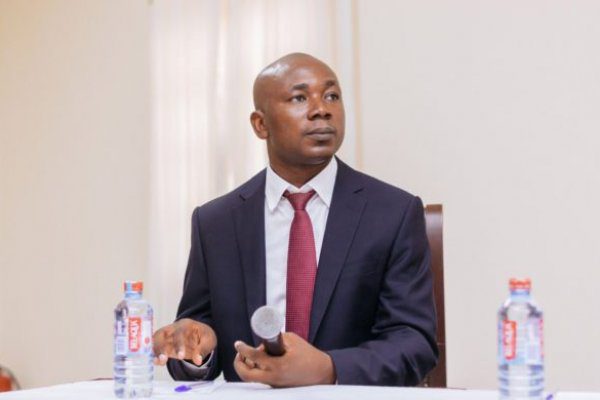
Economist and professor of finance at the University of Ghana, Godfred Bokpin, has backed the newly introduced GH¢1 levy on petroleum products, describing it as a necessary but temporary step to help stabilise Ghana’s struggling energy sector.
Speaking on Joy FM’s Super Morning Show, Prof. Bokpin explained that while the levy may not be popular, it is a practical move given the country’s current economic conditions and the ongoing reforms under the IMF-supported programme.
“I think I have said it before that there are painful decisions ahead of us, especially in the energy sector,” he said. “If you look at the 2025 budget and the strict expenditure cuts, and then again the many reforms under the IMF-supported programme, we face a considerable challenge navigating a path towards progressive spending without undermining the stability we are seeing right now.”
He noted that the recent appreciation of the cedi has allowed the government to introduce the levy without significantly affecting fuel prices.
“Under the circumstance, I have a soft side towards this imposition, largely also because of the gains that have been conferred especially in the ex-pump pricing formula given the strengthening of the local currency. So to that extent, we can make a case for this levy,” he said.
However, he stressed that the levy should not be permanent. “My considered view is that it is not supposed to be a permanent levy. It should be possible for the government to come back to the people of Ghana, to Parliament, and say that we’ve seen the currency weakening, we have done the analysis. The pass-through will be felt by consumers and therefore we want to take this out.”
Prof. Bokpin also warned that the recent currency gains are not rooted in long-term structural changes. “Once the strengthening of the currency is not based on structural and productivity transformation, we will always have to be very careful how the future looks like,” he said.
He added that some reforms are already in motion under the IMF programme but may take time to show results. In the meantime, the levy could help assure investors of Ghana’s ability to meet its obligations.
“We needed something urgently to also assure our investors that we have a repayment capacity,” he said. “Even if you are asking for private sector participation in the restructuring of the energy sector, we have to be able to assure investors that our repayment capacity is strong for them to be able to take on that risk on their balance sheet.”
Read also: Parliament approves new GH¢1 fuel levy after minority walkout
Latest Stories
-
Morocco beat Nigeria on penalties to set up AFCON final against Senegal
2 hours -
NaCCA Director-General apologises as withdrawn teacher manual sparks national outrage
2 hours -
Mane destroys Salah’s Afcon dream again – will he get another chance?
3 hours -
‘If Flick hadn’t come, I would have left Barca’ – Raphinha
3 hours -
Real Madrid stunned by second division Albacete in Copa del Rey
3 hours -
Tottenham sign Gallagher from Atletico for £35m
3 hours -
Amateur stuns world’s best Jannik Sinner to win A$1m in Melbourne
3 hours -
FBI searches home of Washington Post reporter in classified documents probe
4 hours -
Trump administration pauses immigrant visa processing for 75 countries
4 hours -
UK–Ghana crack down on immigration crime as fugitive smuggler jailed
4 hours -
Ghana’s Benjamin Arhin shines on Internacional debut with Man of the Match display
4 hours -
Stanbic Bank Ghana maintain top rank in Customer Experience Leadership in 2025 KPMG Assessment
4 hours -
Newmont-backed AI smart lab powers Kona D/A students to victory at Ghana Robotics Competition
5 hours -
Venezuelan acting president says hundreds of prisoners have been released since December
5 hours -
Nilex Suites holds first open house ahead of official launch
5 hours