


Audio By Carbonatix
The Chief Executive Officer of Electro Ghana Limited, Nana Yaw Konadu, has revealed that proper recycling of electronic materials is central to combating the worst impact of climate change and protecting the environment from hazardous metals.
According to him, used materials and products out of use, especially plastic materials from television sets, radio, computers and car batteries were resources that could fetch incomes to households if treated well -through collection and recycling.
Nana Konadu who is also the Co-Founder of Electro Ghana, a recycling company that collects products for recycling said this when he conducted the Swiss Ambassador to Ghana, Simone Giger, the German Ambassador to Ghana, Mr Daniel Krull, and a team from the Ministry of Environment, Science, Technology and Innovation (MESTI) round his company premises in Accra.
Nana Konadu urged Ghanaians to treat used products from metals, plastics and other materials as resources and not waste. To him, what people referred to as waste were resourceful materials, which if handled well could contribute to the growth of the circular economy.
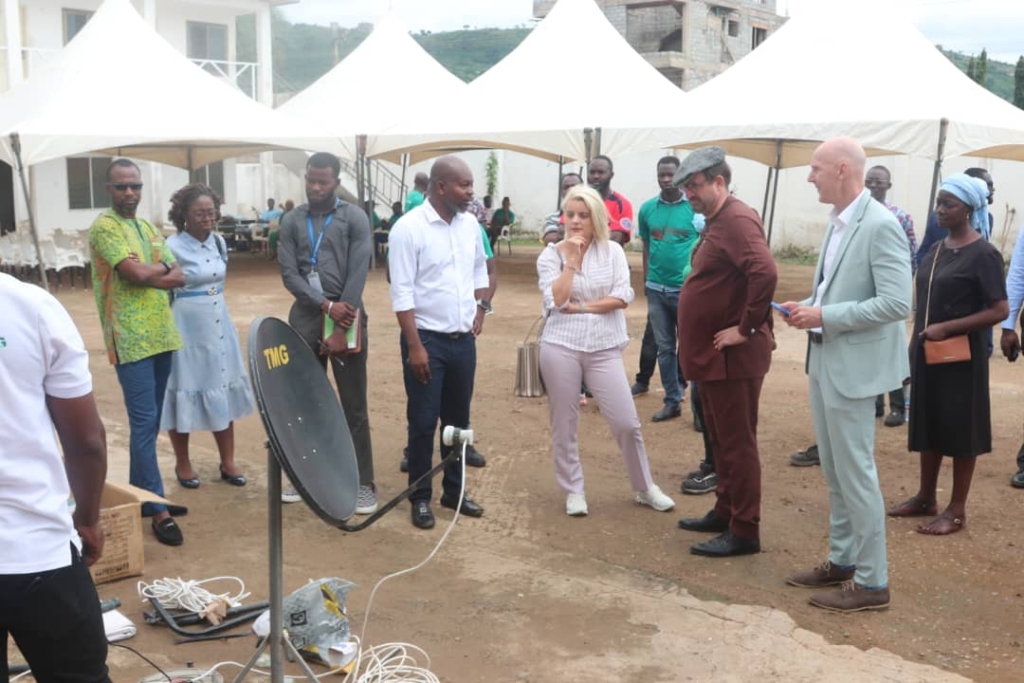
Currently, Nana Konadu's company receives huge materials from different sources for recycling. These recycled materials are then used for the manufacturing of television; copper wire and many others.
For his part, Dr Vincent Nartey Kyere of MESTI said the work of Electro Ghana Limited fits into the policy of government in tackling e-waste. He said the Hazardous and Electronic Waste Act, Act197 aimed to address the hydra-headed electronic waste challenge in Ghana.
He said MESTI has set up collection points in various parts of Ghana, including Ashaiman, Agbogloshie, Koforidua and Tamale.
Mr Krull, the German Ambassador said "I'm amazed. It's a wonderful company that is working in a very, very important field in recycling and upcycling, refurbishing."
He said there is a growing demand for "these resources."
For instance, the German Ambassador said there was a directive from the European Union which imposes the automotive industry, to have a certain amount of recycled materials used as parts in new cars by the year 2030.
Latest Stories
-
National Sports Fund needs strong leadership from the top – Administrator David Wuaku
6 minutes -
JoySports Exclusive: Steve McLaren in talks with GFA after expressing interest in Black Stars job
11 minutes -
Fire guts auto parts warehouse at Bubuashie, one fire officer injured
17 minutes -
I owe my victory to coach Ofori Asare – Allotey after winning WBA Africa Gold Super Flyweight belt
22 minutes -
Church of Pentecost supports over 2,000 BECE candidates in Obuasi with career guidance seminar
2 hours -
Brandon Asante and Coventry all but promoted to Premier League despite Sheffield Wednesday draw
2 hours -
GPL 2025/26: Late Kwartemaa strike downs Hearts in Tema
2 hours -
Ghana Faces Sierra Leone Moment as Prosecutorial Powers come under strain
3 hours -
Don’t consume fish or seafood from Tema Shipyard until further notice – FDA warns
3 hours -
Why volunteering might be Africa’s most underrated career accelerator
3 hours -
ActionAid Ghana raises concern over gender gaps in Feed Ghana Programme
3 hours -
Windstorm wreaks havoc in Gushegu, displacing nearly 2,000 residents and damaging schools
3 hours -
Friends of Bridget Bonnie Marks her 35th birthday with donation to Kasseh Model Health Centre
4 hours -
From Ekumfi Kokodo to the Pulpit Stage: Essi Donkor’s gospel journey takes shape
4 hours -
Landfilling waste management creates no value, it’s an economic waste
4 hours