


Audio By Carbonatix
The Chief Executive Officer of Electro Ghana Limited, Nana Yaw Konadu, has revealed that proper recycling of electronic materials is central to combating the worst impact of climate change and protecting the environment from hazardous metals.
According to him, used materials and products out of use, especially plastic materials from television sets, radio, computers and car batteries were resources that could fetch incomes to households if treated well -through collection and recycling.
Nana Konadu who is also the Co-Founder of Electro Ghana, a recycling company that collects products for recycling said this when he conducted the Swiss Ambassador to Ghana, Simone Giger, the German Ambassador to Ghana, Mr Daniel Krull, and a team from the Ministry of Environment, Science, Technology and Innovation (MESTI) round his company premises in Accra.
Nana Konadu urged Ghanaians to treat used products from metals, plastics and other materials as resources and not waste. To him, what people referred to as waste were resourceful materials, which if handled well could contribute to the growth of the circular economy.
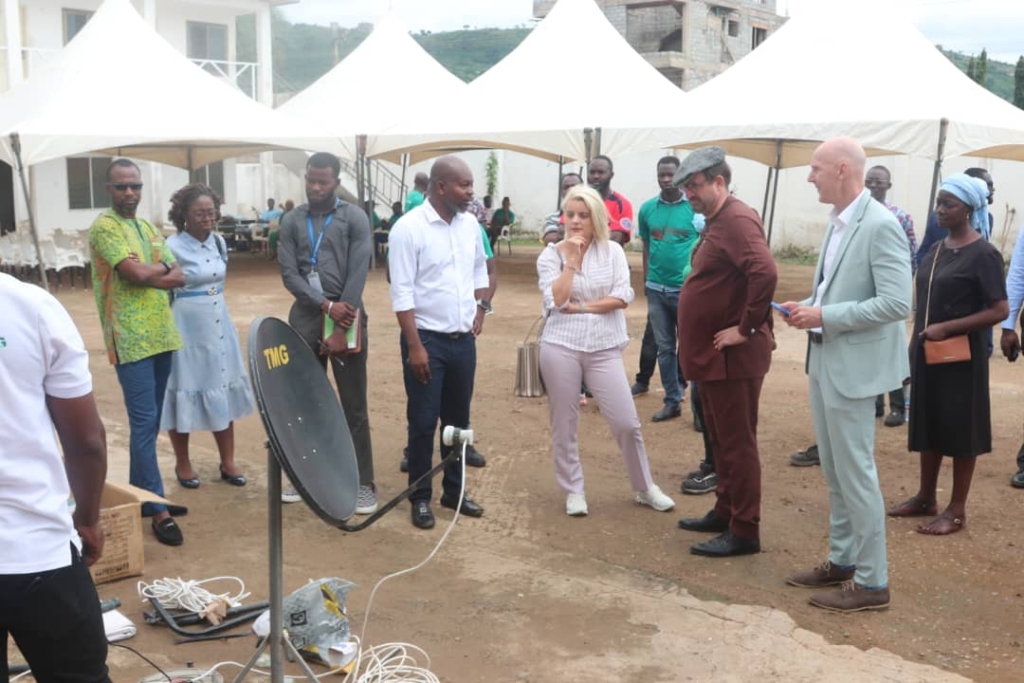
Currently, Nana Konadu's company receives huge materials from different sources for recycling. These recycled materials are then used for the manufacturing of television; copper wire and many others.
For his part, Dr Vincent Nartey Kyere of MESTI said the work of Electro Ghana Limited fits into the policy of government in tackling e-waste. He said the Hazardous and Electronic Waste Act, Act197 aimed to address the hydra-headed electronic waste challenge in Ghana.
He said MESTI has set up collection points in various parts of Ghana, including Ashaiman, Agbogloshie, Koforidua and Tamale.
Mr Krull, the German Ambassador said "I'm amazed. It's a wonderful company that is working in a very, very important field in recycling and upcycling, refurbishing."
He said there is a growing demand for "these resources."
For instance, the German Ambassador said there was a directive from the European Union which imposes the automotive industry, to have a certain amount of recycled materials used as parts in new cars by the year 2030.
Latest Stories
-
Putin warns West that Russia is ready to use every weapon to protect Kaliningrad
1 hour -
Mobile Money Fintech LTD, UMB train hairdressers and beauticians
3 hours -
OpenAI fires workers for mishandling ‘sensitive information’
4 hours -
What’s gone wrong at Nike? How the world’s sportswear giant lost its mojo
4 hours -
Carney pitches oil pipeline as a response to US-Canada trade war
4 hours -
Badenoch welcomes expanded grooming gangs inquiry
4 hours -
GACL MD sues Samuel Buabeng over alleged Facebook defamation
4 hours -
Asylum votes show people want help, says Kemi Badenoch
4 hours -
Christa Pike in critical condition after surviving two lethal injections, lawyer says
4 hours -
Kemi Badenoch backs face covering ban at protest
5 hours -
Man City not ‘above the rules’, says No 10 after backlash to Burnham remarks
5 hours -
Real Madrid submit ‘substantial’ dossier in Barca payments case
5 hours -
Messi completes purchase of second Spanish club
5 hours -
Government must engage horticulturists on tomato crisis – GhIH
5 hours -
King Promise’s ‘Can’t Tame Us’ becomes official Chelsea anthem
5 hours