

Audio By Carbonatix
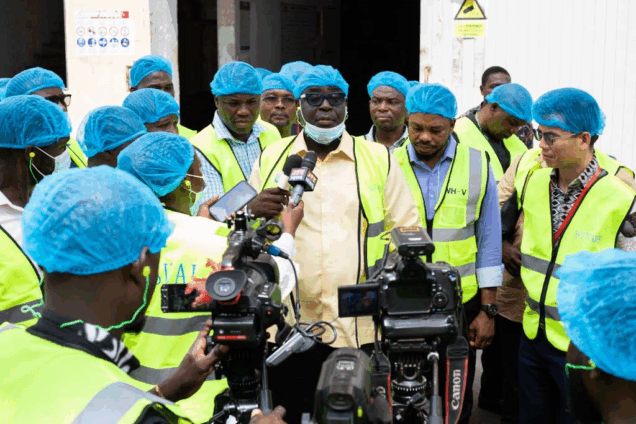
Ghana’s local manufacturing industry is sounding the alarm over a growing public health threat posed by the influx of low-quality imported baby diapers.
Industry leaders are calling on the government to declare the situation a national public health emergency.
An industry executive warned that many of these imported diapers lack essential safety information and are produced without proper regulatory oversight, exposing infants to serious health risks.
“This is not merely an industry concern—it is a threat to the nation’s children and, therefore, the future of Ghana,” he said.
With approximately 800,000 babies born in Ghana each year and millions of diapers consumed annually, the stakes are high.
Experts say continued exposure to substandard diapers could lead to skin disorders, infections, and other serious medical conditions among infants.
The issue is not only a health concern but also an economic one. Ghana imports over 300 million diapers annually, leading to an estimated loss of $2.2 million due to under-declaration and weak regulation.
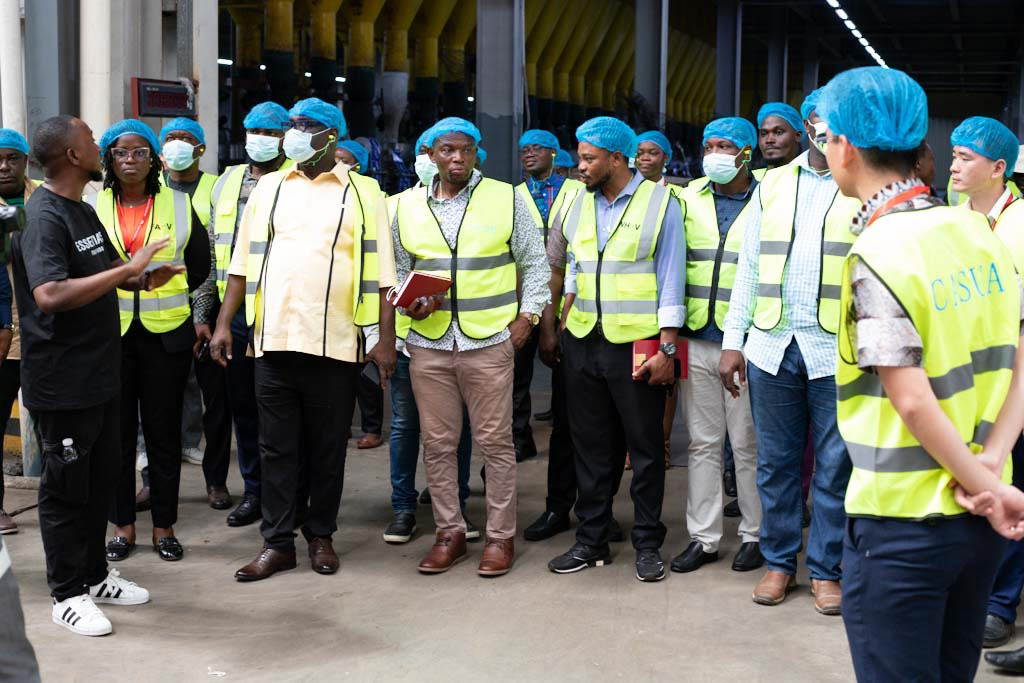
Local manufacturers argue that Ghana can meet domestic demand. The sector boasts an annual production capacity of three billion diapers—three times the country’s needs, making the case for curbing unnecessary and inferior imports.
Key recommendations from the industry include:
- Banning the importation of substandard diapers at the source.
- Enforcing strict pre-shipment inspections and boosting market surveillance.
- Increasing tariffs on finished consumer goods to protect the local industry.
- Officially designating substandard diaper imports as a national health threat.
Parliamentary and Association of Ghana Industries (AGI) leaders have pledged their support for stronger enforcement and policy reform.
Parliamentary representatives emphasised the urgent need to protect public health, while AGI officials underscored the readiness of local manufacturers to meet national demand if given a fair playing field.
The manufacturing sector says it remains committed to working with government and regulatory agencies to ensure Ghanaian children are protected by access to safe, high-quality products.
Latest Stories
-
Salah-Mane rivalry renewed in AFCON semi-finals
3 hours -
What does Trump’s foreign policy mean for World Cup?
3 hours -
Carrick confirmed as Man Utd caretaker head coach
3 hours -
CPS & JoyNews to hold public lecture on Ghana’s move to back currency with gold
4 hours -
Africa Education Watch supports calls for review of SHS teachers’ manual, curricula over gender controversy
4 hours -
Ntim Fordjour demands review of SHS teachers’ manual over gender controversy
4 hours -
GCB Bank hands over renovated dormitory to TAMASCO
4 hours -
Nkyinkyim Band to headline Ghana Independence celebration in London
4 hours -
NPP leadership has lost touch with grassroot – Dr Nyaho-Tamekloe
4 hours -
IGP’s Team nabs drug suspects in Tamale swoop; seizes cash, narcotics
5 hours -
NaCCA revises teacher manual, withdraws ‘gender definition’ content deemed contrary to Ghanaian values
5 hours -
Ntim Fordjour condemns gov’t over gender definition in curriculum
5 hours -
NPP must develop thick skin for criticism – Dr Asah-Asante
5 hours -
Auditor-General raises alarm over 2,000+ weapon interceptions at airports
6 hours -
Motorists lament years of faulty traffic lights at Poku Transport Junction
6 hours