

Audio By Carbonatix
The Ghana Union of Traders Association (GUTA) has called on government to consider pumping dollars from Ghana’s external reserves to arrest the depreciating cedi.
GUTA says its members’ businesses are struggling due to the rate of the cedi’s depreciation, which almost doubled within just a week to 14.21% in March, 2022.
Several factors, including perceived risks in the Ghanaian economy due to high-interest payments on borrowed funds and financial challenges within the economy, have been attributed to the rapid depreciation of the cedi.
Speaking on JoyNews’ PM Express on Tuesday, March 8, President of the Association, Dr Joseph Obeng, urged government to undertake pragmatic measures to salvage the worsening situation.
“We need to pump in more dollars. But, unfortunately, we don’t have any option because if you do not inspire confidence in the system now to suggest that there’s money available, people are going to buy and hoard this currency.
“People are going to trade in this currency, speculation is going to be rife enough, and it would be even worse. Foreign reserves are there for situations such as this; otherwise, what is the essence of foreign reserves?” he quizzed.
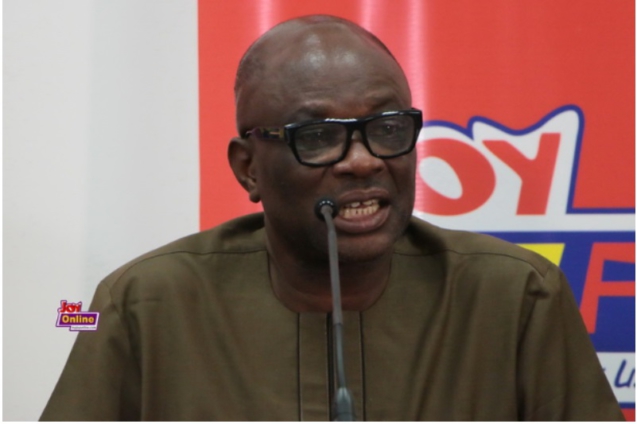
But an Associate Professor of Finance at the University of Ghana Business School (UGBS), Prof Godfred Bopkin, has indicated that if Ghana depletes parts of its foreign reserves, it would be forced to go to the International Monetary Fund (IMF) for support.
The finance expert opined that the only factor keeping Ghana from going to the IMF is the cedi depreciation.
“If you look at the template that Ghana sent to the IMF in 1965 under the watch of Dr Kwame Nkrumah, which is a reflection of what happens over the years. There’s only one thing left which is keeping us from going to the IMF right now, and that has to do with the depreciation of the cedi.”
“If Bank of Ghana decides to fight that, burn through our international reserves, and once the international reserves deplete to a certain level, you have no choice than to go to the IMF in an ambulance,” he explained.
Meanwhile, the World Bank has projected harsher times for Ghana’s economy.
This comes as the exchange rate continues to rise amidst inflation and increasing cost of living coupled with a rise in prices of petroleum products.
Government is already having a tough time rallying support for the controversial E-Levy, insisting it may not be able to settle some statutory obligations without the tax.
But the World Bank Country Director, Pierre Laporte, does not see any end in sight just yet.
“The situation is very difficult right now. Ghana faces a very tough road ahead to restore macro-sustainability,” he said.
Latest Stories
-
I assure Otumfuo, Mahama will join him to commission KNUST Teaching Hospital by end of this year – Haruna Iddrisu
19 minutes -
Gov’t to roll out free special education for persons with disabilities from July 1 – Education Minister
41 minutes -
“We used it to test our officiating officials’ readiness” – Bawah Fuseini after CAA Athletics event
1 hour -
Volleyball emerges as Ghana’s fastest rising sport
1 hour -
National Sports Fund needs strong leadership from the top – Administrator David Wuaku
2 hours -
JoySports Exclusive: Steve McLaren in talks with GFA after expressing interest in Black Stars job
2 hours -
Fire guts auto parts warehouse at Bubuashie, one fire officer injured
2 hours -
I owe my victory to coach Ofori Asare – Allotey after winning WBA Africa Gold Super Flyweight belt
2 hours -
Church of Pentecost supports over 2,000 BECE candidates in Obuasi with career guidance seminar
3 hours -
Brandon Asante and Coventry all but promoted to Premier League despite Sheffield Wednesday draw
4 hours -
GPL 2025/26: Late Kwartemaa strike downs Hearts in Tema
4 hours -
Ghana Faces Sierra Leone Moment as Prosecutorial Powers come under strain
4 hours -
Don’t consume fish or seafood from Tema Shipyard until further notice – FDA warns
4 hours -
Why volunteering might be Africa’s most underrated career accelerator
4 hours -
ActionAid Ghana raises concern over gender gaps in Feed Ghana Programme
4 hours