

Audio By Carbonatix
As climate change, health crises, and economic inequality stretch existing solutions to their limits, scientists are increasingly turning to quantum science to tackle Africa’s societal problems.
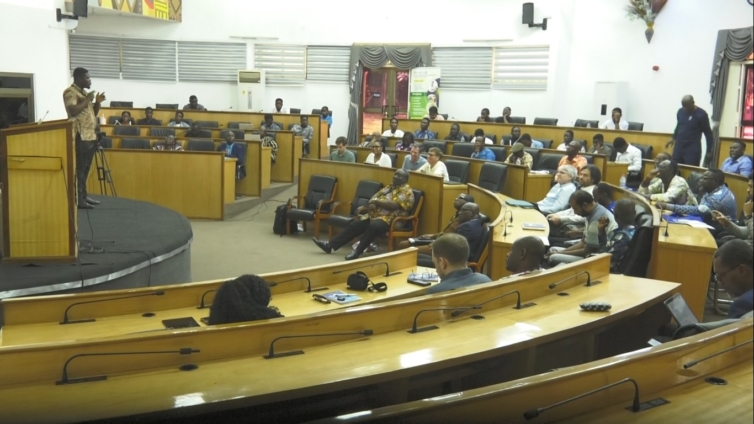
An assemblage of scientists at the Kwame Nkrumah University of Science and Technology emphasized quantum technologies and how they can redefine existing setbacks in securing data and optimizing energy systems to accelerate medical and technological discovery.
At the African International Conference on Quantum Computing and Simulation 2026, the scientists are pushing for policy directions to position quantum innovation as a practical tool for advancing development across Africa.
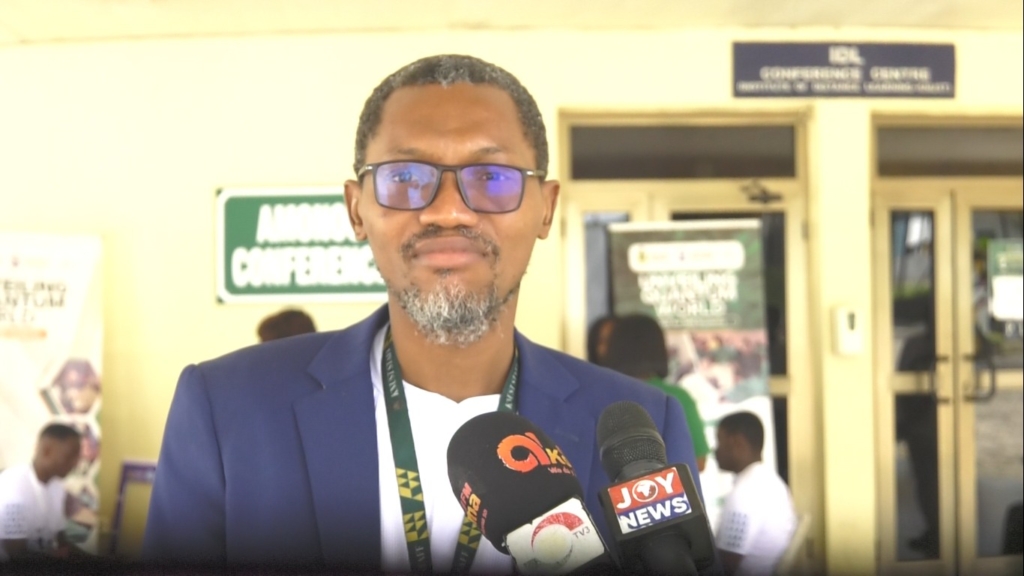
The African International Conference on Quantum Computing and Simulation 2026 was held under the theme “Quantum for Impact: Fostering Education, Research, and Collaboration toward the Sustainable Development Goals (SDGs).”
The eight-day stakeholder gathering brings together educators, researchers, industry leaders, policymakers, and students to explore how quantum science can support sustainable development.
Discussions will focus on how emerging quantum technologies can contribute to global priorities championed by the United Nations, particularly in education, health, climate action, energy, finance, environmental sustainability and economic growth.
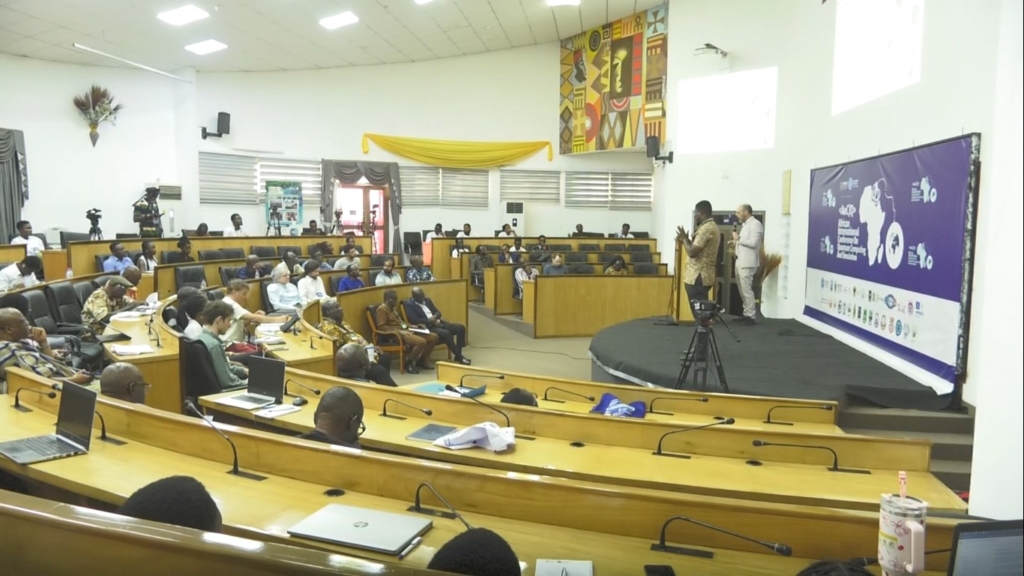
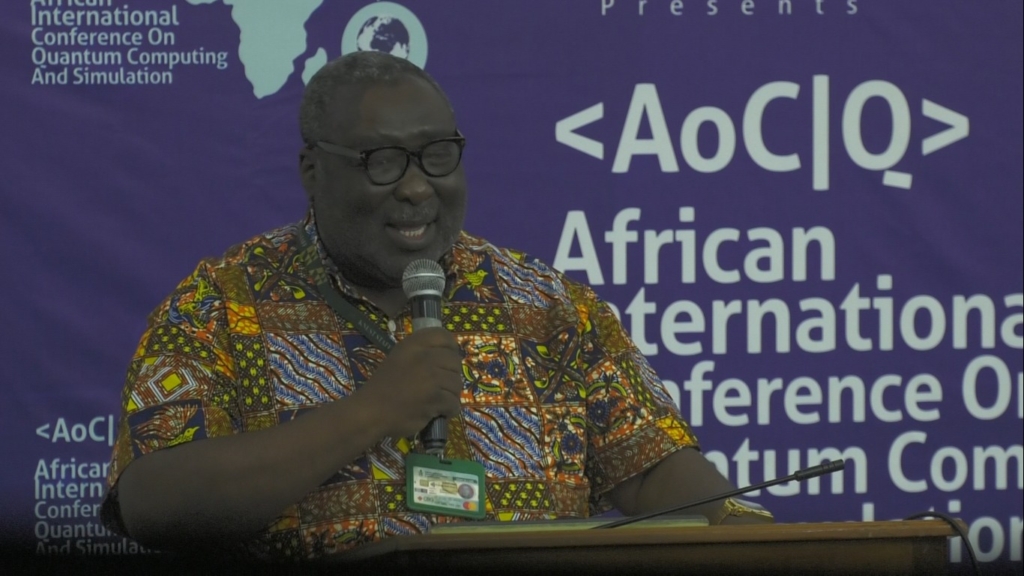
Head of the Department of Physics at the Kwame Nkrumah University of Science and Technology, Prof. Francis Kofi Ampong, indicated that quantum innovation would become indispensable across scientific disciplines.
“Looking ahead, the prospects are even more exciting. Advances in materials science and engineering will demand quantum-driven innovation. Quantum computing and simulation, in particular, hold the potential to revolutionize research and problem-solving, enabling us to tackle challenges far beyond the reach of classical computers,” he said.
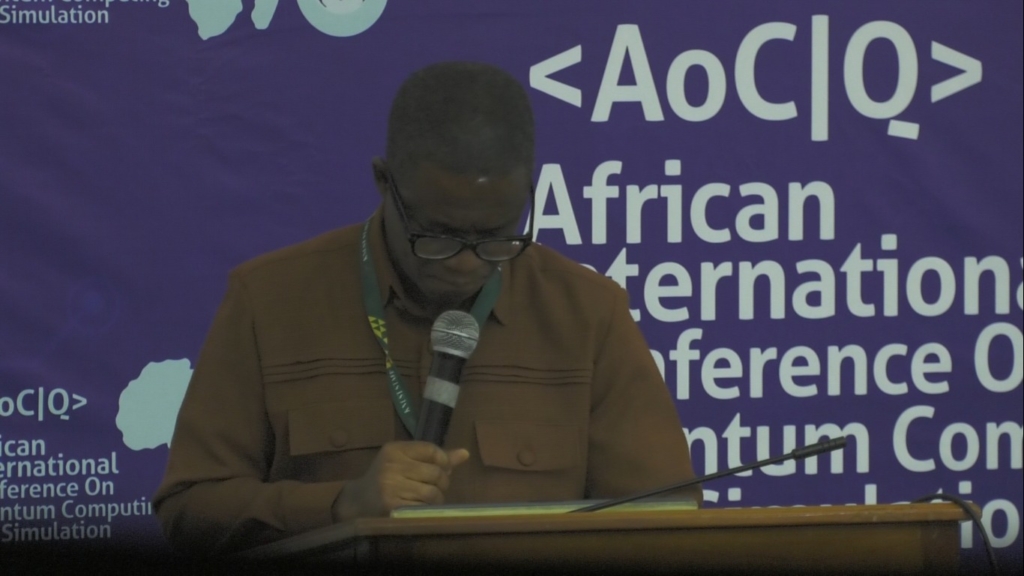
A faculty member at the Department of Physics and Coordinator for the Mathematical and Computational Physics Unit, Dr. Henry Martin, is proposing the development of a quantum ecosystem that will house experts and provide resources, backed by law.
“The stakeholders involve governmental bodies, who I believe will look at the roadmap and support the aspiration. Together we can develop an ACT which can join the AI app in parliament to provide a tenet of operation, resources and a holistic development of the quantum landscape,” he said.
The conference also placed strong emphasis on education as the foundation for building an inclusive, quantum-ready workforce, while advancing research that can generate cutting-edge solutions to real societal problems.
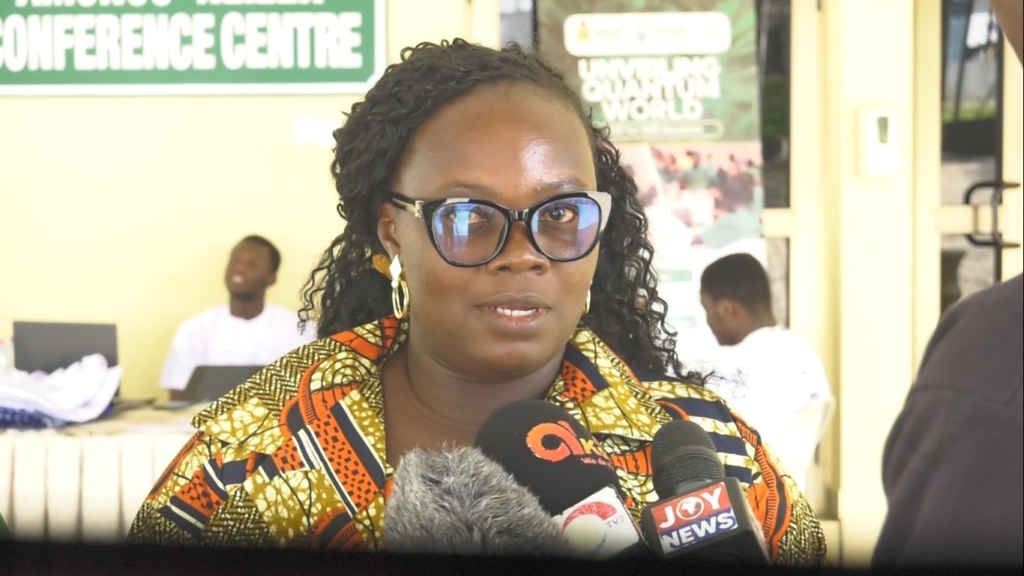
A faculty member at the University of Education, Winneba, Dr Dorcas Atuabia Addo, is admonishing the government include in the curriculum for young people.
“Government and educational stakeholders to integrate quantum science into the national curriculum for young people. That early exposure is key to preparing future generations for emerging technologies,” she said.
The quantum simulation conference aims to bridge academia and industry and encourage cross-sector partnerships.
Provost of the College of Science, Prof. Phillip Antwi-Agyei, lauded the conference interventions as a needed step to ready the transition to quantum applications.
“We are witnessing the transition of the age of quantum understanding to the age of quantum application. Around the world, emerging technologies are redefining communication, security, energy systems, health care delivery and economic organization. Quantum communication provides unprecedented security through the law of physics and stem. Quantum sensing is already revolutionizing the healthcare system,” he said.
Latest Stories
-
Berekum Chelsea edge Aduana FC in Bono derby to boost survival hopes
20 minutes -
‘They can’t control the team’ – Ernest Thompson doubts local coaches for Black Stars role
1 hour -
Ghana-born midfielder Seidu realises ‘dream’ with Atlético Madrid debut
1 hour -
GPL 2025/26: Bubakari strikes late to hand All Blacks vital win over Dreams FC
1 hour -
Fatal crash on Kintampo–Tamale highway claims four lives
1 hour -
2025–26 FA Cup Semifinal Draw: Chelsea, Man City Learn Wembley Opponents
2 hours -
GPL 25/26: Gold Stars back on top after beating Nations FC
2 hours -
GPL 2025/26: Heart of Lions roar back with victory over Vision FC in Kpando
3 hours -
Solomon Agbasi: Hearts keeper in stable condition after concussion
3 hours -
GPL 2025/26: Late Salim Adams penalty earns Medeama draw at Bechem
3 hours -
Hearts pip Young Apostles 1-0 to end 5-game winless run
4 hours -
Boakye Agyarko marks Easter Sunday with a call for Godly leadership ahead of nationwide campaign tour
5 hours -
Pepsi withdraws as UK festival sponsor after Kanye West backlash
5 hours -
Pope Leo calls for global leaders to choose peace in his first Easter Mass
5 hours -
Kpando MP highlights progress on road projects
5 hours