

Audio By Carbonatix
The University of Energy and Natural Resources (UENR) has taken a major step in climate research by hosting an international training programme on how tree rings are used to study climate change.
The programme focused on Dendrochronology and Dendroclimatology. Dendrochronology is the science of studying tree rings to know how old a tree is and how it has grown over the years. Dendroclimatology uses tree rings to understand past climate conditions, such as rainfall patterns and drought.
The training was organized by the Department of Atmospheric and Climate Science (DACS) and took place in January 2026. Classroom lessons were held from 12 to 15 January, followed by fieldwork from 16 to 22 January 2026.
Participants included lecturers, researchers, and students from UENR, as well as international experts from the United States, Sweden, and Senegal. These experts have many years of experience in using tree rings to study climate and environmental change.
They included Dr. Boniface O. Fosu of Mississippi State University, Prof. Michela Biasutti and Prof. Edward R. Cook from the Lamont-Doherty Earth Observatory of Columbia University, and Mr. Paul J. Krusic of Stockholm University.
The programme was further supported by PhD researchers Dansiyu Lee of Mississippi State University and Alassane Diouf from Université Cheikh Anta Diop in Senegal.
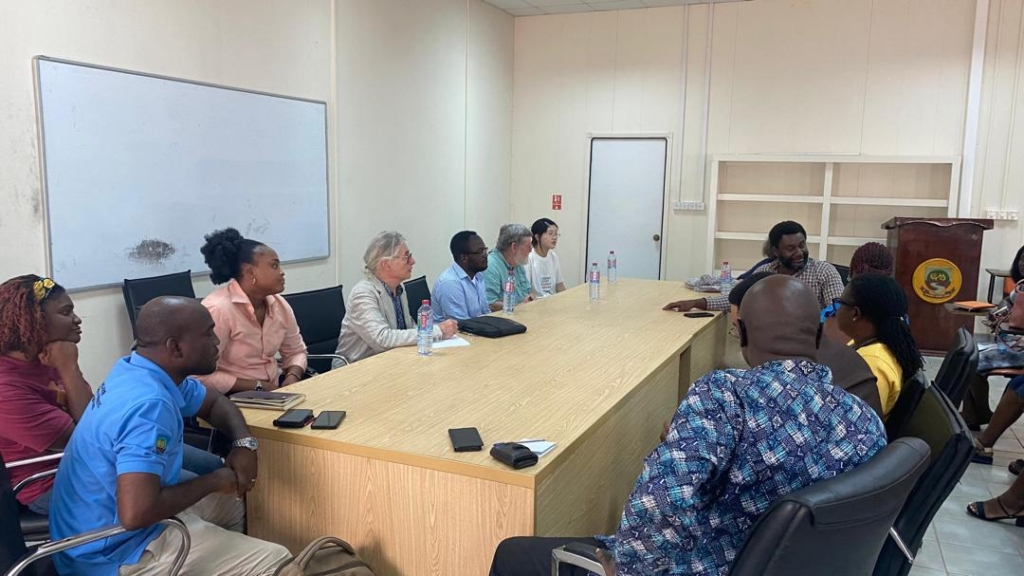
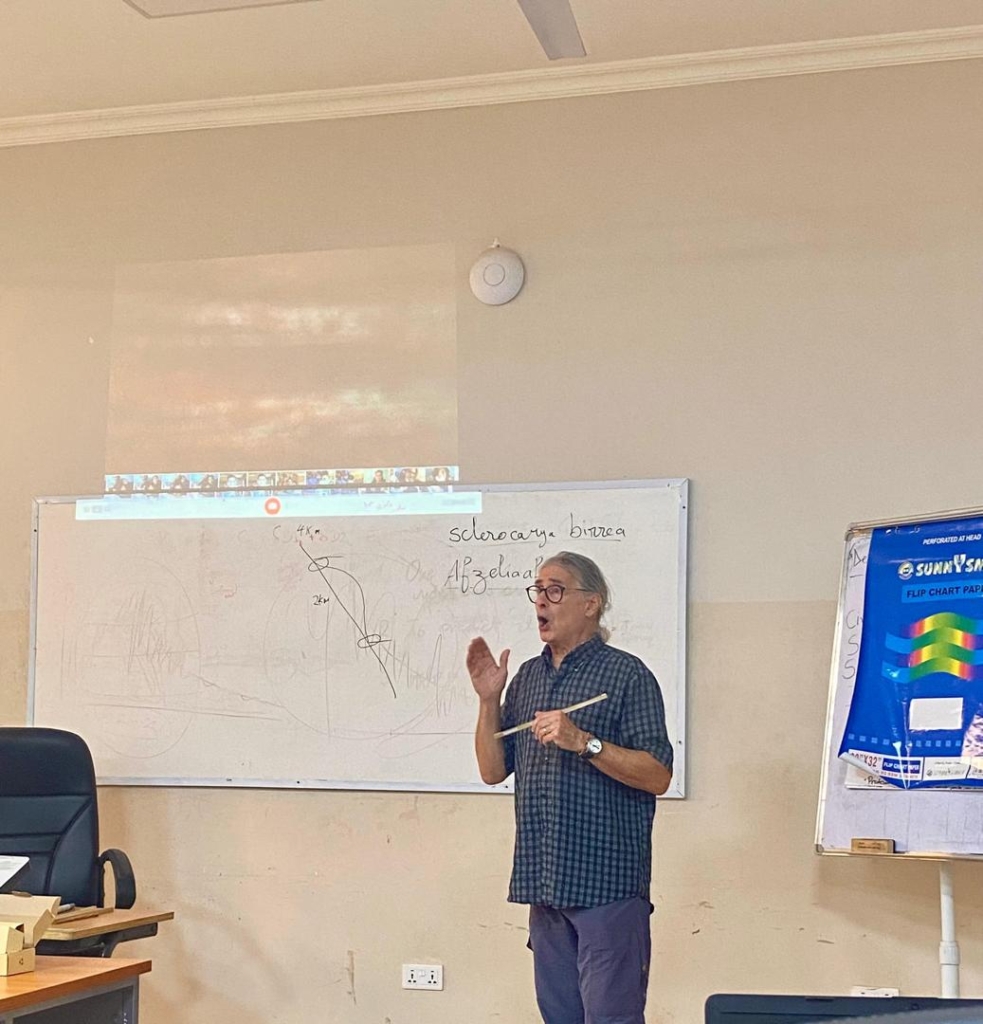
During the classroom sessions at the Regional Centre for Energy and Environmental Sustainability (RCEES), participants learned how tree rings form each year. They were taught that wide tree rings often show years with good rainfall, while narrow rings usually show dry or drought years. The training also covered how scientists collect tree samples and study them to understand climate changes over many years.
The second part of the programme took participants to forests in different parts of Ghana. These included the Bia Tano Forest Reserve, Boabeng–Fiema Monkey Sanctuary, and the Asukese Forest Reserve.
In the forests, participants received hands-on training in dendrochronology. They learned how to select suitable trees, measure tree growth, and carefully collect tree-ring samples without destroying the trees. Samples were also taken from old tree stumps to study past growth and climate conditions.
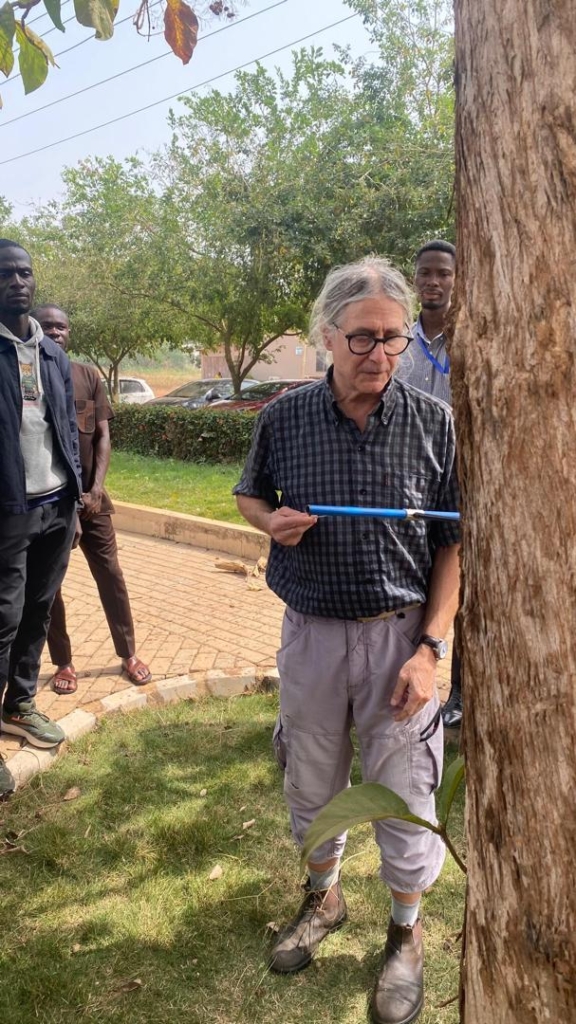
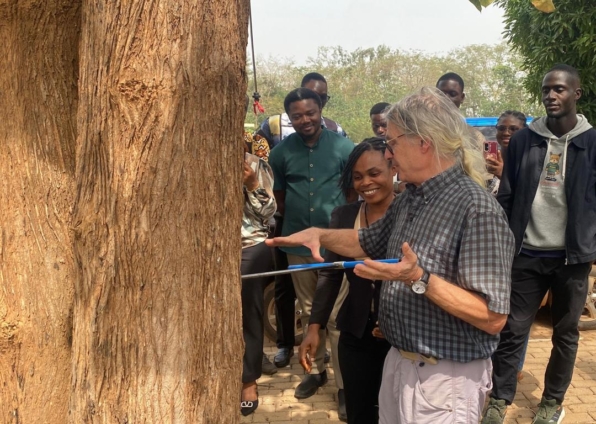
Special attention was given to Wawa trees, which are common in Ghana. Wawa trees are very sensitive to changes in rainfall and drought. Because of this, their tree rings clearly record climate stress, especially during dry years. Scientists explained how Wawa tree rings can help reconstruct the history of rainfall and drought in West Africa.
Organizers said the Field School has greatly improved knowledge and skills in dendrochronology and dendroclimatology at UENR. The training also helped build strong partnerships between climate scientists, foresters, and international researchers.
Head of Department for Atmospheric and Climate Science, Dr Caleb Mensah said the Field School is an important step toward long-term climate research using tree rings.
“Through this Field School on Dendrochronology and Dendroclimatology, UENR through the Department of Atmospheric and Climate Science, is positioning itself as a hub for climate–forest research in West Africa,” he stated.
He indicated that, the university plans to continue training students and researchers in dendrochronology and dendroclimatology to support climate monitoring, forest management, and climate change adaptation in Ghana and across West Africa.
“Tree rings allow us to reconstruct past rainfall and drought conditions beyond the short period covered by weather stations, and these records are critical for improving climate models and projections. By training our staff and students in both field sampling and data interpretation, we are building local expertise that will strengthen teaching, research, and climate-informed decision-making in the region.”
Latest Stories
-
Gender Ministry meets Nana Akua Addo’s husband over domestic violence after hospital discharge
52 minutes -
UG Vice-Chancellor urges swift operationalisation of National Research Fund
1 hour -
Pope Leo to have surgery after lump found in lung
1 hour -
Joseph Cudjoe writes: Ghana must break free from the dangerous mindset that natural resources are the foundation for wealth
2 hours -
Children among 109 dead after boat capsizes off Djibouti, UN says
2 hours -
OmniBSIC Bank’s 11th health walk promotes fitness and business growth
2 hours -
2026 World Maritime Day: Danish Embassy organises “The Gulf of Guinea Speaks”
2 hours -
New Economy will tackle unemployment and restore hope – Ato Forson
2 hours -
IMMILAC president recounts personal losses as security women lead breast cancer awareness campaign in Wa
2 hours -
University of Ghana postpones October 12 reopening as GAUA strike persists
3 hours -
Bahass Foundation launches vocational skills training to support mental health recovery in Wa
3 hours -
NPP orders parliamentary aspirants and their supporters to suspend campaign activities
4 hours -
Techiman unites against child marriage: Joy Impact Makers Awardee leads charge on International Day of the Girl Child
4 hours -
Ghana Psychological Association calls for greater involvement of people with lived experience in mental health care
5 hours -
Ablakwa says Ghana could evacuate more citizens from South Africa if the situation worsens
6 hours