

Audio By Carbonatix
The African Climate Foundation has urged African countries to take greater control of their climate transition as the continent faces worsening droughts, floods and extreme weather events.
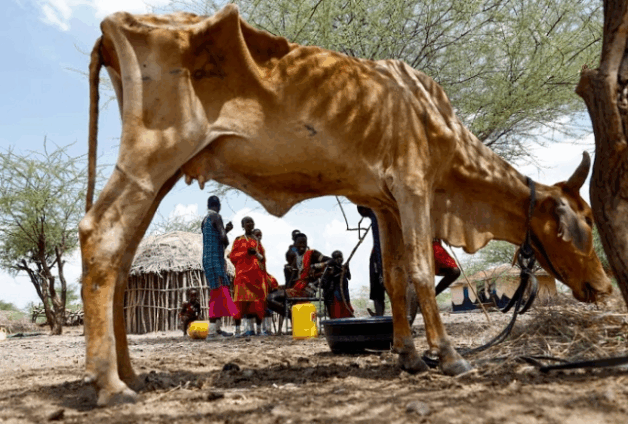
The call comes as the foundation unveiled its 2026–2030 strategy against the backdrop of warnings from scientists about a possible “super El Niño” that could trigger severe droughts, heatwaves and food shortages across Africa.
The foundation said the continent is at a critical stage where decisions on energy, finance, industrialisation, and resilience will shape development outcomes for decades.
“The decisions being made today around energy, finance, industrialisation, trade and resilience will impact development outcomes for decades,” said Saliem Fakir, Executive Director and founder of the African Climate Foundation (ACF).
“Our role is to ensure that those driving this transition from within Africa have the institutions, capabilities and investment platforms they need,” he added.
According to the foundation, Africa contributes only a small share of global emissions but continues to suffer disproportionately from climate impacts while receiving just about 3% of global climate finance.
The foundation said climate action for African countries now goes beyond reducing emissions and increasingly involves strengthening resilience, protecting food and energy security, and improving economic competitiveness.
Fakir said that although global climate commitments have increased over the years, implementation remains slow.
“Commitments have multiplied, but implementation has lagged,” he said.
“Each year of delay raises the costs, and the consequences of inaction will be borne most heavily by those least responsible for the crisis.”
The foundation noted that the challenge facing African countries is no longer simply about securing international pledges, but building institutions and partnerships capable of translating commitments into meaningful action.
Chairman of the Foundation, Carlos Lopes, said Africa’s role in global climate discussions is changing.
“It’s no longer about importing what others are saying on climate, but how African voices help shape the agenda and define a transition that reflects the continent’s own realities and ambitions,” Lopes said.
The Foundation said its new strategy will focus on country-led climate programmes, green industrialisation, adaptation and institutional capacity-building to help African countries manage growing climate and economic pressures.
The organisation also stressed the need for stronger collaboration among governments, communities, civil society groups and development partners.
“Our work is focused on strengthening the conditions that make long-term progress possible,” Fakir said.
Founded in 2020, the African Climate Foundation describes itself as the first African-led regional climate foundation working at the intersection of climate and development.
The organisation says it has invested more than US$41 million through over 467 grants and investments across 35 African countries to support climate resilience, clean energy access and sustainable development initiatives.
Latest Stories
-
Engage Now Africa to construct a 10-unit classroom block for struggling Navrongo Vocational Training Centre
4 minutes -
One digital financial breach could expose linked accounts to fraud – Financial Crimes Manager
8 minutes -
Ghana Russia Centre signs ICT cooperation agreement with Moscow University
12 minutes -
The powerhouses of the village: Honouring Ghana’s rural women on International Rural Women’s Day
13 minutes -
Vincent Assafuah petitions CHRAJ to investigate alleged irregularities in 2026 World Cup visa arrangements
13 minutes -
12-year-old boy found dead in muddy pit at Opeikuma
15 minutes -
GHS begins Yellow Fever vaccination campaign in three Upper West districts
16 minutes -
Organised Labour pushes for higher 2027 base pay despite slowing inflation
18 minutes -
Parliament’s Human Rights Committee demands swift justice in Obuasi SHTS sexual abuse case
28 minutes -
From Campaign Propaganda to Gov’t Accountability: When the message-makers demand a seat at the table
47 minutes -
Ashanti Region Security Coordinator warns sand winners to stay off Accra–Kumasi Expressway site
51 minutes -
PZ Cussons Ghana promotes hand washing among schoolchildren through Camel campaign
1 hour -
30 NDC aspirants file nominations in Upper West as regional election approaches
1 hour -
UPSA launches laptop assembly plant, requiring new students to assemble their own devices
2 hours -
UCC sociologist calls for action on gender inequality to end child marriage
2 hours