

Audio By Carbonatix
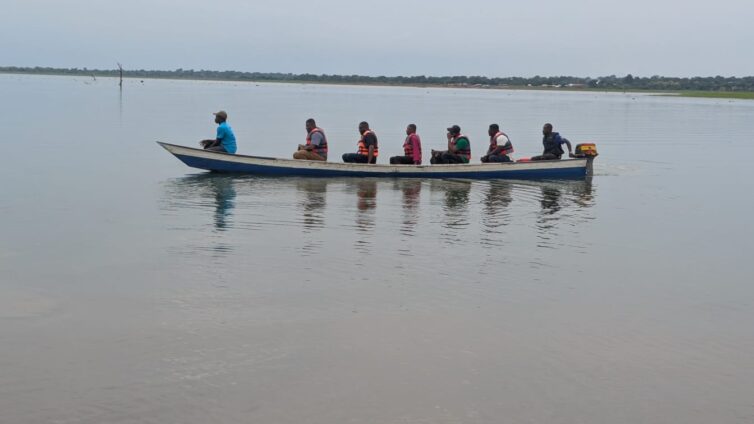
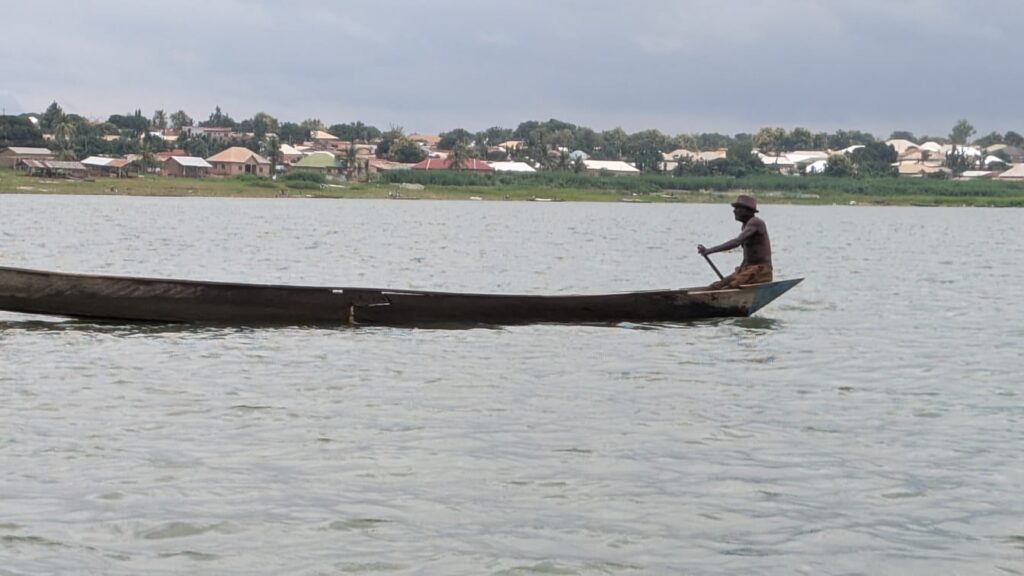
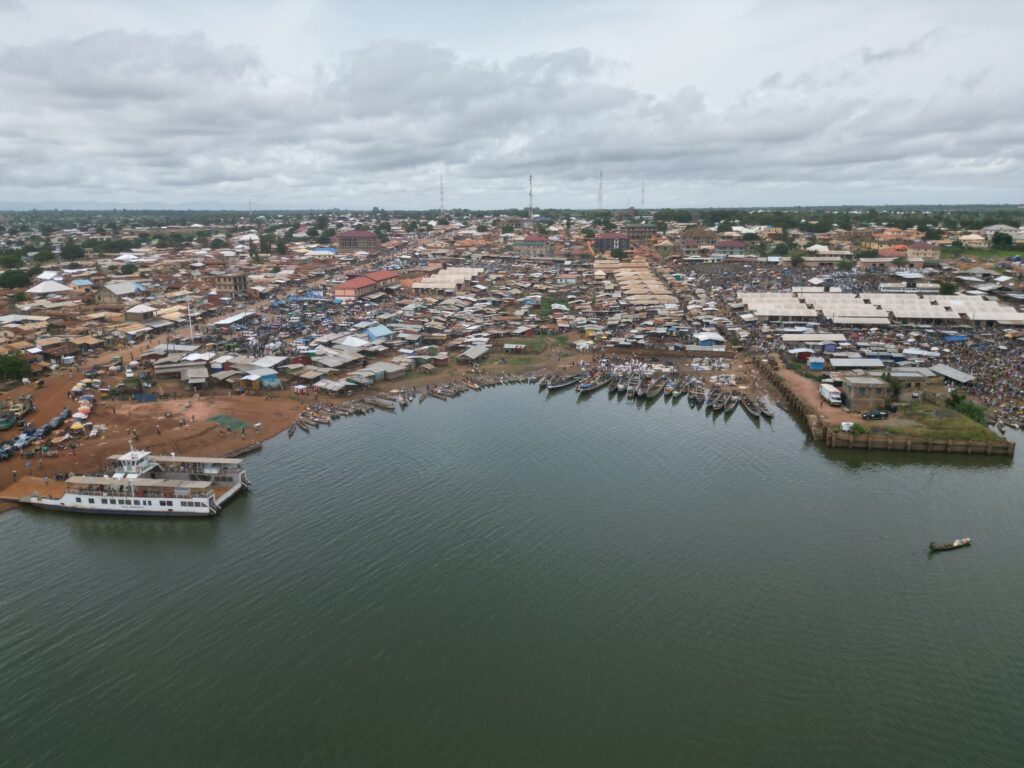
Before dawn touches the Oti River, fishermen in Dambai move along the shore. Their canoes glide across the dark water, guided by experience and memory. For generations, this hour, when the air is still and the morning reveals little of what lies ahead, has been one of the most dangerous.
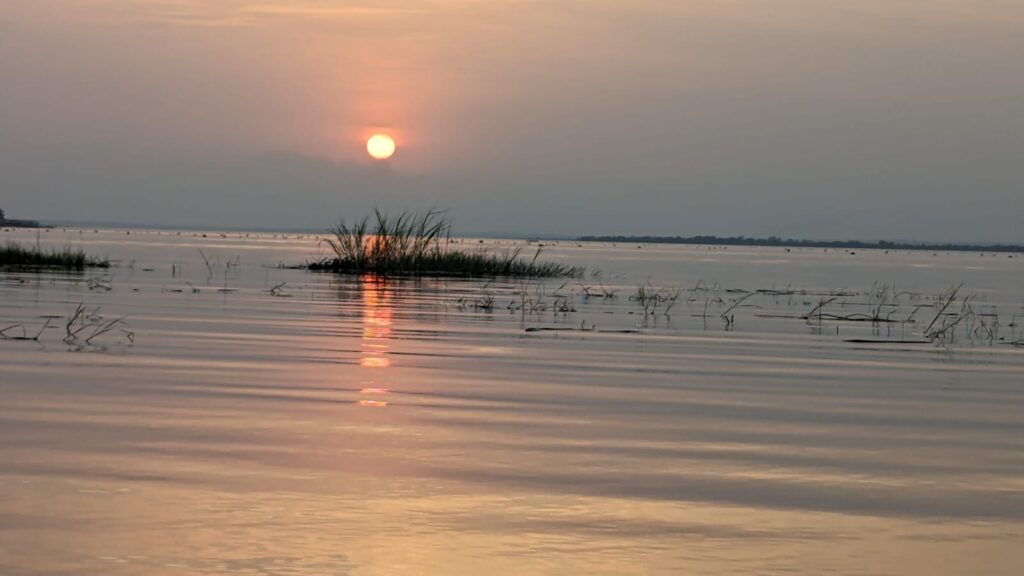
No one knew what the weather might bring. A clear morning could quickly give way to strong winds and rough waters. Storms often arrived with little warning, catching fishermen and travellers in the middle of the river with nowhere to hide.
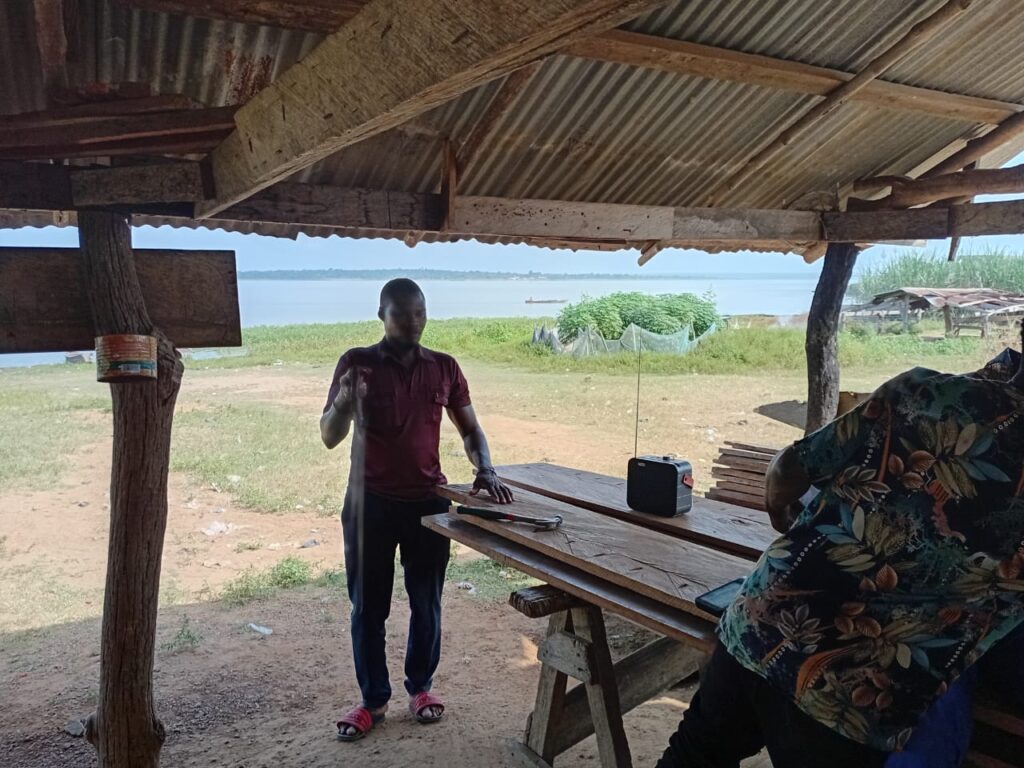
Today, another sound accompanies the start of the day. From a small radio resting on an overturned canoe comes a familiar voice carrying the latest weather forecast from the Ghana Meteorological Agency (GMet).
"This is today’s weather forecast from GMet." The men pause and listen.
For many of them, that daily forecast has become the difference between returning home safely and becoming another tragedy remembered along the riverbank.
The Oti River has long been the lifeblood of communities in this part of Ghana. It feeds families, connects settlements and supports thousands of fishermen, farmers and traders. But residents say the river has become harder to understand.
Storms form suddenly. Winds change direction without warning. The signs older generations once relied on no longer tell the full story.
At 53, Adjetey Mawuwue remembers when experience was the only warning system available. Growing up in Yeji, he learned to read the weather by watching the sky and studying the wind.
"The wind can change any time," he says. "In the past, we predicted the weather accurately, but storms surprised us in recent years. We had to run for our lives."
He remembers friends who were caught in sudden storms and never returned. "If we had this early warning system in time," he says, "many lives would have been saved."
Not far from him, 36-year-old Kofi Yamba recalls similar experiences. "Our fathers relied only on experience. But the weather changed faster than experience could keep up," he says.
Today, he relies on the radio. One morning he was preparing to travel to his farm when a weather forecast warned of heavy rainfall.
"I turned back," he says. "The rain came exactly as they said. Now we can plan. We move when it’s safe. We stay when it’s dangerous."
The river remains dangerous. But people now have information that allows them to make decisions before danger arrives.
A voice that shapes daily life
Along the banks of the Oti River, weather forecasts influence far more than fishing trips. They shape decisions in homes, schools and markets.
28-year-old Avevor Charity, a fishmonger and mother of two, begins most mornings with a radio by her side. "Storms used to come fast," she says. "Every night I feared for my family."
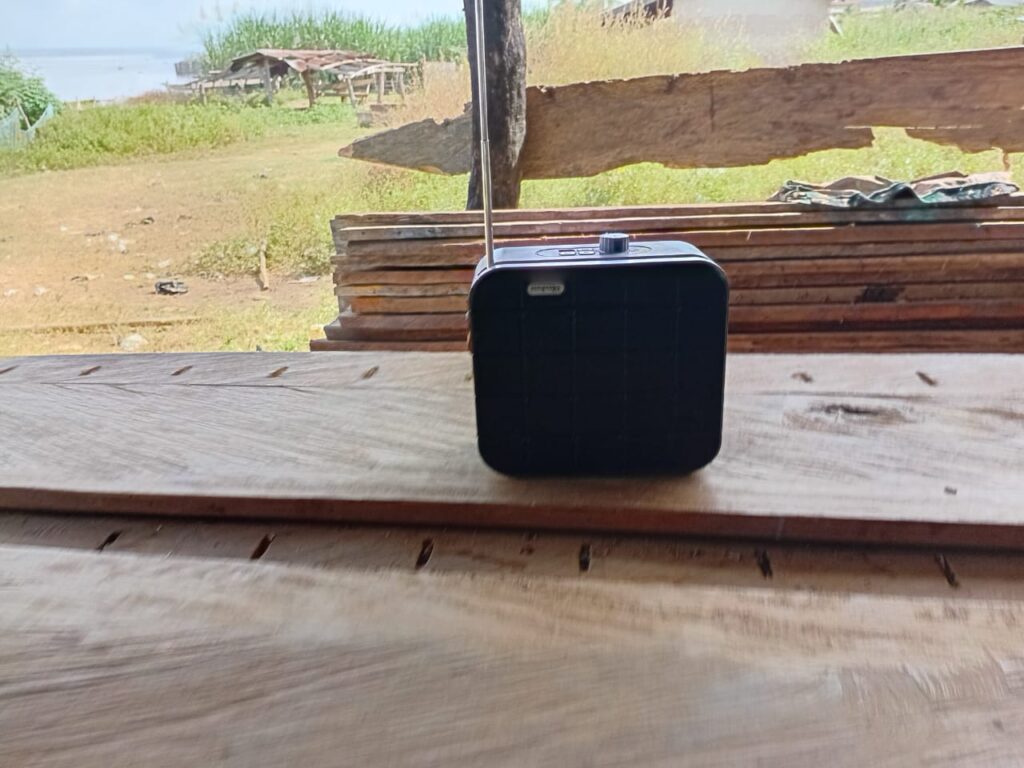
Before her children wake up, she listens to the forecast while packing baskets of smoked fish. The information helps her decide when relatives can travel by canoe and whether conditions are safe for outdoor activities.
"I know what is coming," she says. "The radio gives me peace."
Young fisherman Kwesi learned the value of those forecasts firsthand. One morning, he was preparing to push off from shore when a warning came over the radio.
"The river will be rough today." He stopped and waited. Dark clouds soon gathered overhead. Minutes later, a violent storm swept across the water.
Some fishermen who ignored the warning returned soaked and shaken. Kwesi stayed on shore.
After the storm, families gathered beneath a large tree overlooking the river. Among them was Avevor Charity, who had kept her children indoors that morning after hearing the forecast. Holding her daughter tightly, she reflected on the decision.
"We listened," she said. "We survived."
A journalist's close call
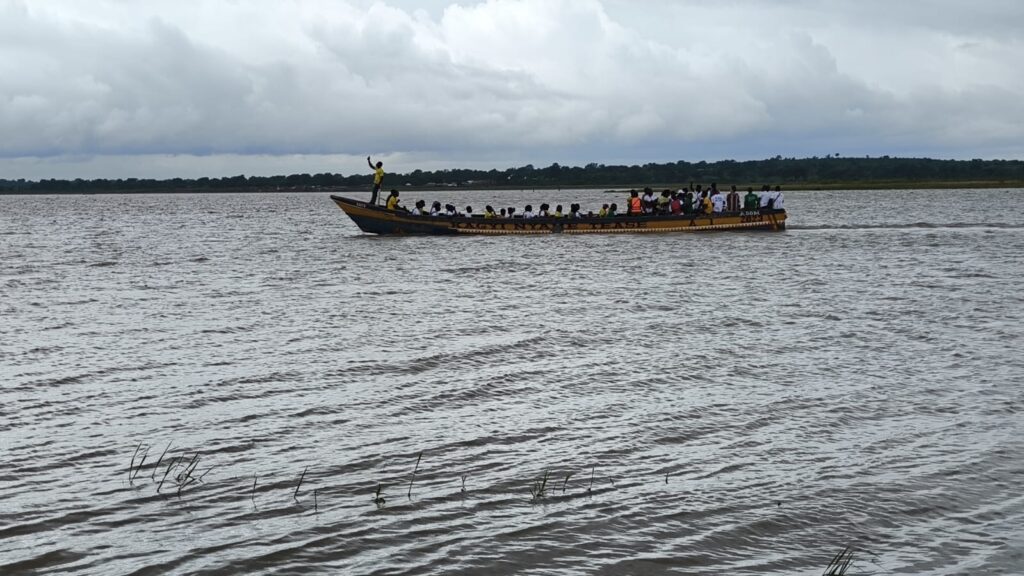
One morning, I set out on the Oti River with two teachers, Sakina Rahman Benedicta and Hanson Semaple from Mepekope MA Basic School, after visiting the island community of Tekpelekpedzi.
Earlier that morning, GMet had forecast rain later in the day. People planning to cross the river were hurrying to do so before conditions worsened. We decided to leave earlier than planned for the same reason.
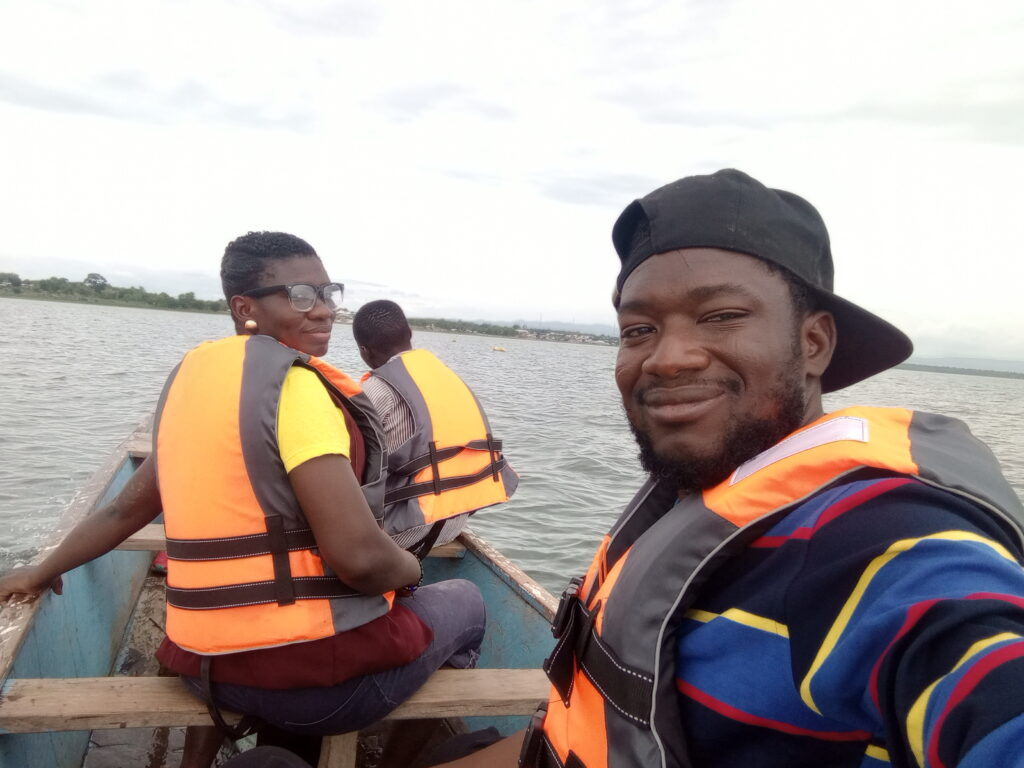
At first, the journey was calm. The river was smooth and the engine hummed steadily as the boat cut across the water. Then, about halfway through the crossing, the engine failed.
As the boat drifted, the weather began to change. The sky darkened, a cold mist rose from the water and the wind picked up. Small waves started striking the side of the canoe.
There was no radio on board and no way to receive updated weather information. All we had was the forecast we had heard before setting off.
"The report warned of rain around this time,"I reminded Sakina."That's why we had to hurry." She laughed. Hanson tried to restart the engine, but it refused to respond.
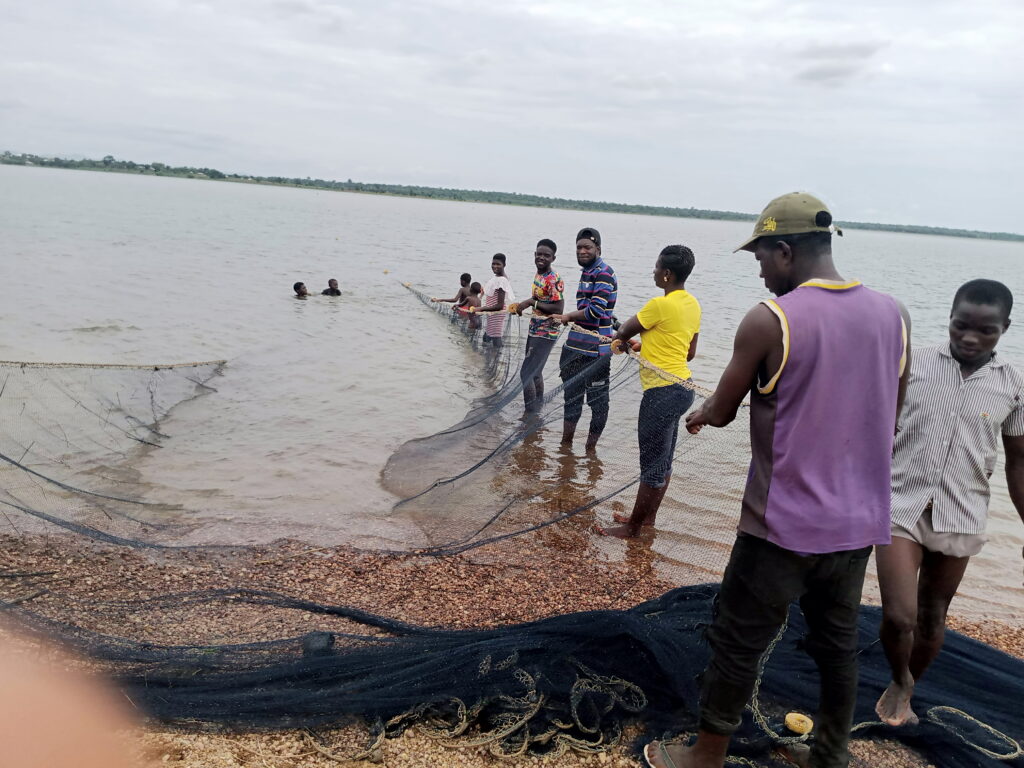
The students operating the boat picked up their paddles and began rowing. The current pulled against them as conditions became increasingly uncomfortable.
For several tense minutes, we inched towards calmer water near the bank. Only after reaching a safer spot were the students able to replace the engine and restart the journey.
The experience lasted less than an hour, but it offered a glimpse into the uncertainty many people on the Oti River face every day. The forecast had prompted us to leave early. Had we delayed our journey, we might have been stranded on the water as conditions deteriorated.
For communities that depend on the river, weather warnings do not stop storms from coming. They provide something equally important thus time to prepare.
When storms turn deadly
For communities that depend on rivers and lakes, the consequences of missing a warning can be devastating. Despite improvements in forecasting, deadly accidents continue to occur on Ghana's waterways.
In May 2023, a canoe carrying schoolchildren across the River Densu in Faanaa-Wiabomaa capsized during a storm. Nine children drowned.
Four months later, two fishing canoes were overturned by violent waves near a coastal estuary. Several crew members were swept into the sea.
Then, in October 2025, a canoe carrying mourners near Kete Krachi overturned after strong winds struck the Volta Lake. Fifteen people died, including eleven children aged between two and fourteen.
Though separated by time and place, the incidents shared a common factor about sudden and severe weather changes.
A 2024 Auditor-General's report documented ten boat-related accidents between 2019 and early 2023, resulting in at least fourteen confirmed deaths. Investigators noted that many inland water accidents are never reported, particularly in remote and island communities.
Standing on the riverbank, Kofi recalls an accident that still haunts him. A mother and her child were travelling by canoe on what appeared to be a calm afternoon.
"The boat capsized," he says. "The child survived. The mother did not. What if they had heard the weather warning?" For him, the question remains difficult to forget.
Inside the radio that saves lives
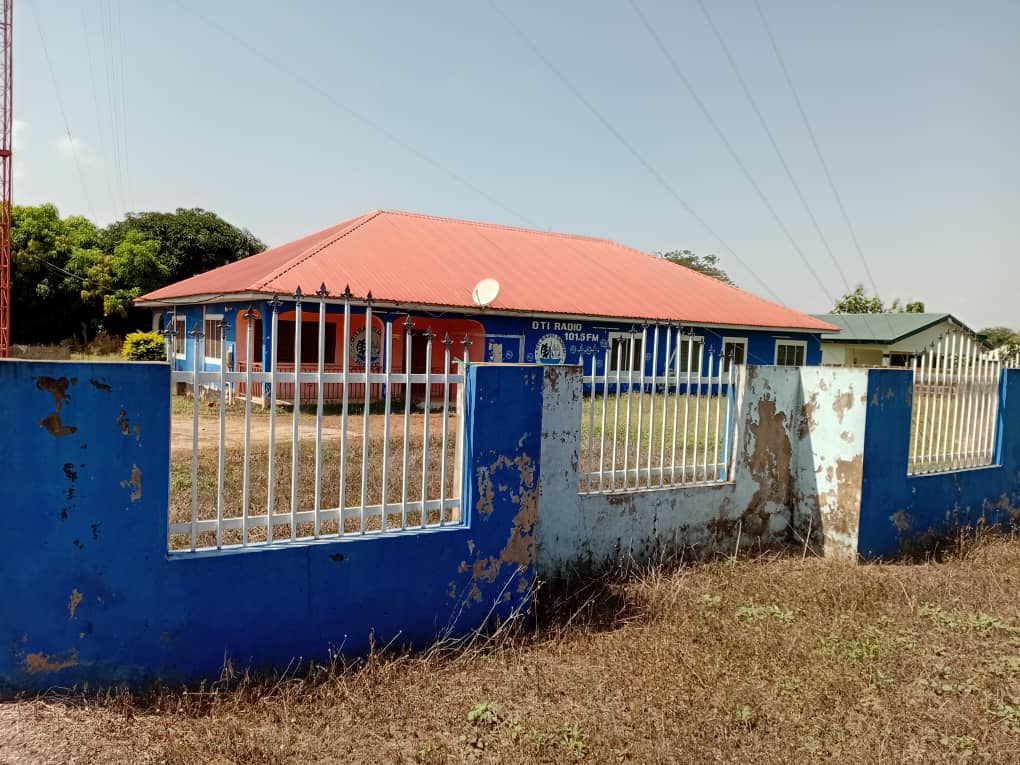
At the time of this interview, Israel Tosu was a presenter at Oti FM, one of the stations helping deliver weather forecasts to communities along the river.
Every morning, weather updates formed part of the station's programming. When conditions changed, urgent alerts were broadcast immediately.
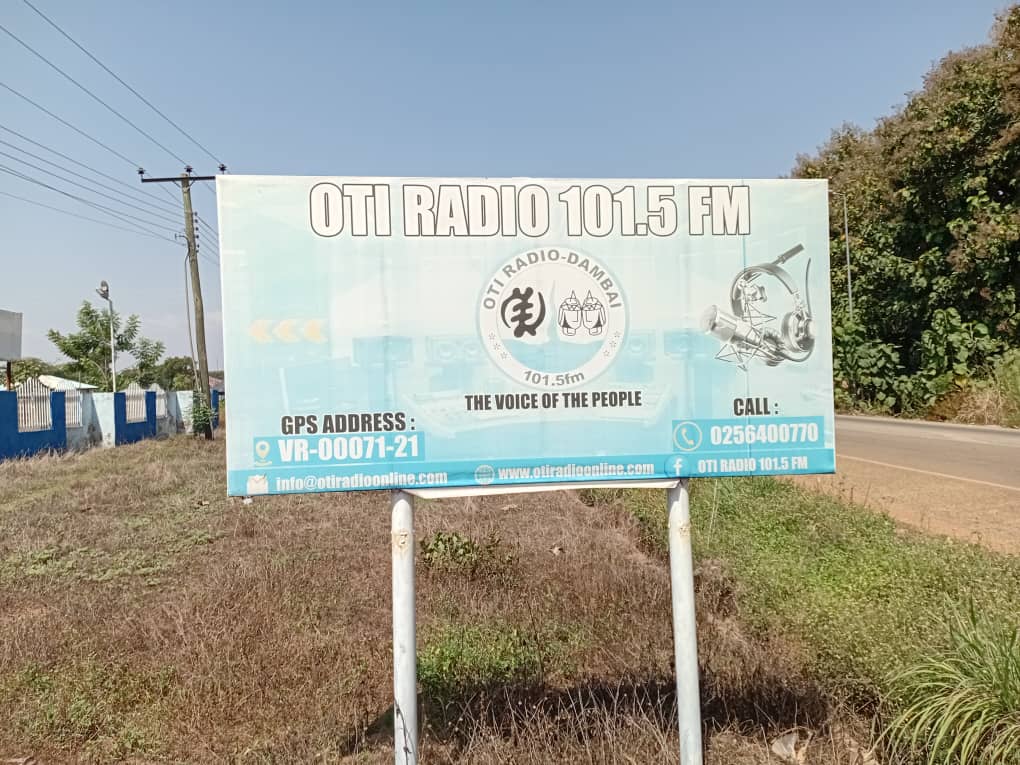
"When we forget to read the forecast, people call the studio," he says. "They depend on it."
Marine meteorologist Thomas Biney says that dependence reflects the value of timely information. "Our mission is to give people the right information at the right time so they can stay safe."
GMet's forecasts now include storm alerts, rainfall forecasts, thunderstorm warnings, wind and wave advisories, flood-risk bulletins and climate advisory information.
Mr Biney says those warnings can make the difference between life and death.
"When waves rise above 1.5 meters, the water becomes rough. Beyond 2.4 meters, it turns dangerous. For inland communities like Dambai, these warnings determine whether a parent returns home alive," Mr Biney stated.
But forecasts only work if people receive them. "Early warnings only save lives when people receive them," he indicated.
Building a stronger warning system
Ghana has been expanding its forecasting and early warning systems in recent years. Investments include more than 200 automatic weather stations across the country, a 24-hour National Forecasting Centre, expanded inland water and marine forecasting services, three daily nationwide weather updates, community-level alerts delivered through radio, SMS, chiefs, teachers and volunteers, and training programmes for farmers, fishermen, local authorities and media practitioners.
Senior meteorologist Joshua Asamoah says better observations lead to better forecasts. "The more observations we have, the stronger the forecasts. Strong data saves lives."
Globally, the UN and World Meteorological Organization estimate that every dollar invested in early warning systems can save up to fifteen dollars in avoided disaster losses.
Ghana's goal is ensure, "No Ghanaian should die because they did not know a storm was coming," says Joshua.
In Dambai, many people say that ambition is beginning to feel less like a promise and more like a reality.
The work that remains
Along the riverbank, 41-year-old canoe builder Williams Modzakah sands the hull of a newly built canoe. After 18 years in the trade, he knows how much can be lost in a single storm.
A damaged canoe can cost between ₵8,000 and ₵50,000. A destroyed fishing net can cost up to ₵6,000. Medical bills can push families into debt.
"Anytime I hear a warning, I call my friends on the river," he says. "Information saves lives."
The Oti River remains unpredictable. Storms still arrive without mercy. Warnings do not always reach the last canoe on the water or the most remote island community.
Yet something is changing. People listen, plan, and decide. You can see it in the way fishermen pause before setting out. In the way mothers watch the sky when forecasts predict rain. In the way radios crackle to life before dawn.
For the first time in decades, many people along the river are no longer facing the weather without warning. And for a fisherman preparing to leave shore, that warning may be enough to ensure that, at the end of the day, he comes home.
Latest Stories
-
Yellow fever response too slow; govt must cut bureaucracy – SEND Ghana
8 minutes -
National Security Implications of the Security and Intelligence Agencies Act, 2026 (Act 1168) of Ghana
15 minutes -
NACOC, INL deepen cooperation to combat drug trafficking and organised crime
50 minutes -
GEPA CEO calls for investment to transform Ghana’s economic opportunities
53 minutes -
Photos: Antoine Semenyo says ‘I do’ to longtime partner Jordeen Buckley
1 hour -
Gender Minister visits Nana Akua Addo, assures family of support
1 hour -
You need to fake it sometimes to make it fun – Stephanie Benson tells couples
2 hours -
Mahama Cares says political affiliation will not determine access to medical support
2 hours -
Government inherited GH¢111bn debt burden but continues infrastructure projects – Lands Minister
2 hours -
Mallam Atta traders urge government to speed up 24-hour market redevelopment
2 hours -
Catholic Church has a duty to speak on issues affecting human dignity – Bishop Gyamfi
2 hours -
KATH sickle cell, blood bank project stalled over $1.6m legal dispute – CEO
2 hours -
Restricting preaching in moving vehicles is an attempt to gag the church – Rev. Kwadwo Bempah
2 hours -
Central Charismatic Baptist Church marks 30 years, urges review of law restricting preaching on buses
2 hours -
Mafi Kope residents appeal for urgent medical intervention over illnesses affecting children, adults
2 hours