

Audio By Carbonatix
The first man to receive a genetically modified pig kidney transplant has died two months after the operation, the hospital which carried out the procedure has said.
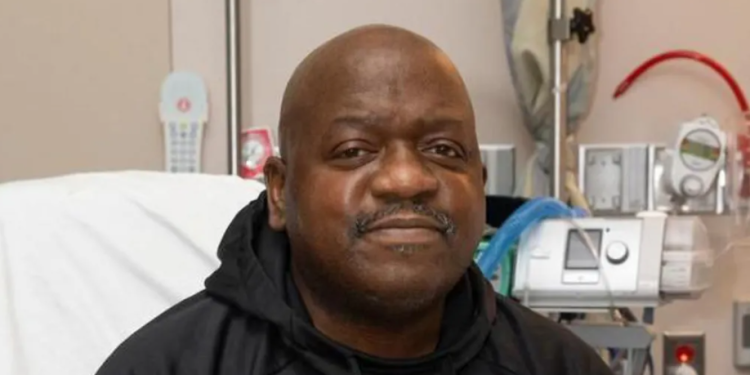
Richard “Rick” Slayman, 62, was suffering with end-stage kidney disease before undergoing the operation in March.
Massachusetts General Hospital (MGH) said on Sunday there was no indication his death was a result of the transplant.
Transplants of other organs from genetically modified pigs have failed in the past, but the operation on Mr Slayman was hailed as a historic milestone.
In addition to kidney disease, Mr Slayman also suffered from Type 2 diabetes and hypertension. In 2018, he had a human kidney transplant, but it began to fail after five years.
Following his pig kidney transplant on 16 March, his doctors confirmed he no longer needed dialysis after the new organ was said to be functioning well.
“Mr Slayman will forever be seen as a beacon of hope to countless transplant patients worldwide and we are deeply grateful for his trust and willingness to advance the field of xenotransplantation,” MGH said in a statement.
Xenotransplantation is the transplanting of living cells, tissues or organs from one species to another.
MGH said it was “deeply saddened” at his sudden death and offered condolences to his family.
Mr Slayman’s relatives said his story was an inspiration.
“Rick said that one of the reasons he underwent this procedure was to provide hope for the thousands of people who need a transplant to survive,” they said.
“Rick accomplished that goal and his hope and optimism will endure forever.
“To us, Rick was a kind-hearted man with a quick-witted sense of humour who was fiercely dedicated to his family, friends, and co-workers,” they added.
While Mr Slayman received the first pig kidney to be transplanted into a human, it is not the first pig organ to be used in a transplant procedure.
Two other patients have received pig heart transplants, but those procedures were unsuccessful as the recipients died a few weeks later.
In one case, there were signs the patient’s immune system had rejected the organ, which is a common risk in transplants.
Latest Stories
-
Ghana less exposed to global oil disruptions — Fitch
11 minutes -
Police officer killed in road crash at Atortorkorpe in Ada
13 minutes -
EKMA begins dredging major storm drains ahead of peak rainy season
18 minutes -
US has let in 4,499 refugees since October – all but three were South African
22 minutes -
Child Protection Units to be part of MMDA Performance Assessment
29 minutes -
Pub thief jailed over £2.2m Fabergé theft
36 minutes -
Show us the money – COMAC CEO demands full disclosure on ‘dumsor levy’ windfall
47 minutes -
Melania Trump denies ties to Jeffrey Epstein and urges hearing for survivors
59 minutes -
Prosecutors seek Tiger Woods’ prescription drug records after Florida arrest
1 hour -
Five persons arrested for robbing Chinese nationals at Asankragwa
6 hours -
I don’t have evidence of leakage report on fuel contamination – Witness
6 hours -
Netherlands Fire Chief in Ghana to support fire safety reforms and market fire prevention efforts
6 hours -
Mason goes on remand for stealing
6 hours -
Gov’t cuts fuel taxes, deploys buses to curb impact of rising fuel prices
7 hours -
Interior Minister calls for intelligence-driven strategy as Ghana strengthens counter-terrorism efforts
7 hours