

Audio By Carbonatix
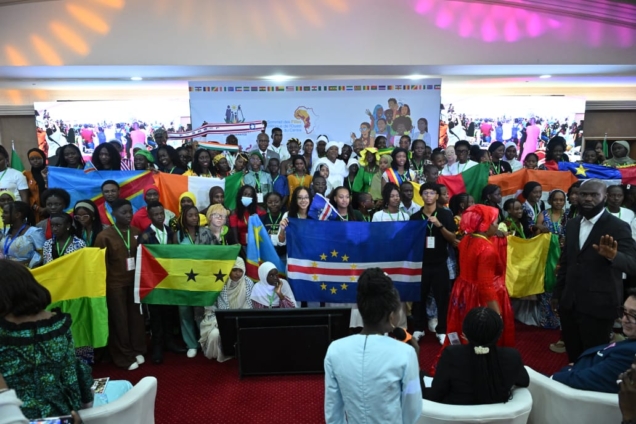
Adolescent girls from across West and Central Africa (WCA) convened in Dakar on October 10-11, 2025, for the inaugural Regional Girls' Summit.
The summit, organised by UNICEF and the Government of Senegal, and coinciding with the International Day of the Girl, culminated in the adoption of the "Dakar Declaration and Program of Action for Girls in West and Central Africa."
This essential roadmap, girl-led, demands urgent action from leaders to secure their rights and transform their future.
Supported by adolescent boys, the girls demonstrated their fervent determination to reshape the narrative for the region's 75.5 million adolescent girls. The summit marked a crucial turning point, emphasising that girls, no longer content to be mere beneficiaries, are now at the forefront of change.
A Region Facing Deep-Seated Challenges
West and Central Africa continues to grapple with some of the world's most severe challenges for adolescent girls: limited access to education and health services, pervasive gender-based violence, early marriage, and discriminatory social norms. These issues are exacerbated by climate crises, conflicts, and economic instability.
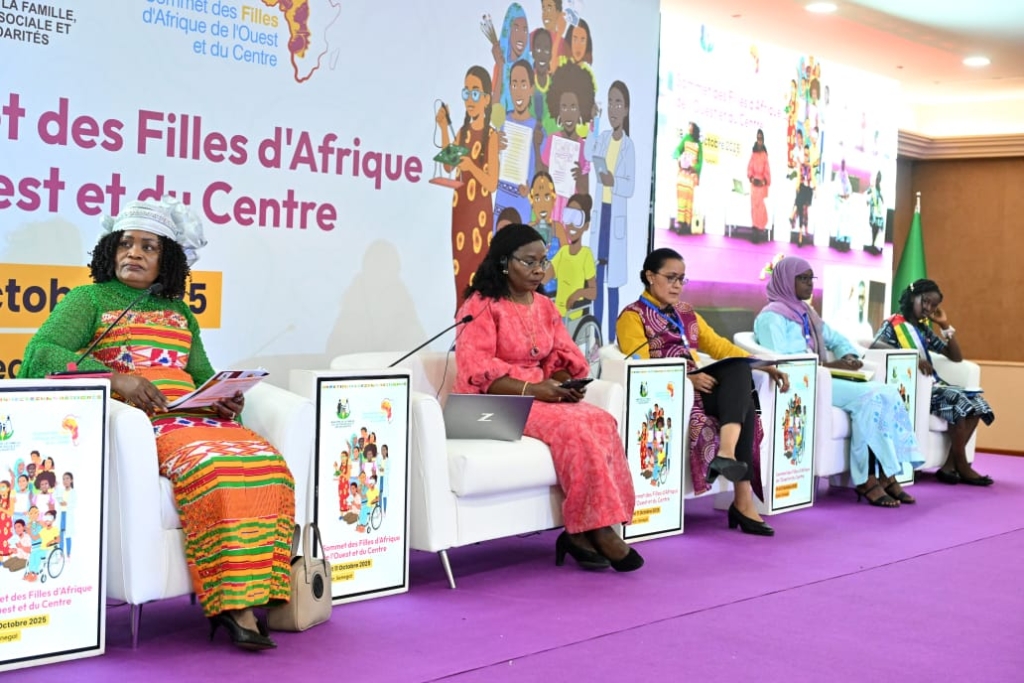
UNICEF Regional Director, Gilles Fagninou, underscored the severity of the situation: “The statistics on well-being are the worst when we compare West and Central Africa to other regions of the world.”
Nevertheless, he insisted on the potential for transformation: “Where there is a small opportunity for the girl, the return on investment for the community or country, for the region and for the world, has been unparalleled.”
A Summit Forged by Girls, For Girls
This summit distinguished itself through its fundamentally participatory and girl-led approach. National consultations took place across 24 countries, guided by a Girls’ Advisory Group.
- Lelengda Tchakebera (16, Togo) clearly articulated the expectations: “What I expect as an outcome is that all the laws passed in our different countries will be translated into concrete actions for an effective fight for the protection of children.”
- Isabel (Equatorial Guinea) added: “We want to be included when our history is written, because our voices matter.”
- Maimouna Dièye, the Senegalese Minister, hailed the groundbreaking nature of this “unprecedented partnership with girls,” noting that the Agenda would be “carried by girls, for girls.”
The Dakar Declaration: Six Priority Axes
The Declaration firmly articulates six priority action areas, aligned with the 30th anniversary of the Beijing Platform for Action and Agenda 2063:
- Right to Education: Demanding equal and secure access to quality education.
- Right to Health and Well-being: Advocating for confidential and affordable health services.
- Right to Water, Sanitation and Hygiene (WASH): Insisting on safe sanitation facilities and reducing the burden of water collection.
- Right to Protection: Demanding an end to Female Genital Mutilation (FGM) and child marriage (with the legal age set at 18), and strict laws against violence.
- Right to Participation and Information: Calling for active inclusion in local and national decision-making spaces and protection against online harassment.
- Fight against Climate Change: Recognizing its disproportionate impact on girls and calling for their inclusion in climate action plans.
High-Level Commitments: A "Binding Roadmap"
UNICEF Deputy Executive Director, Omar Abdi, urged for measurable progress, saying “We must not leave this meeting and come back after two years to start from where we were, but rather have a clear measure of progress.”
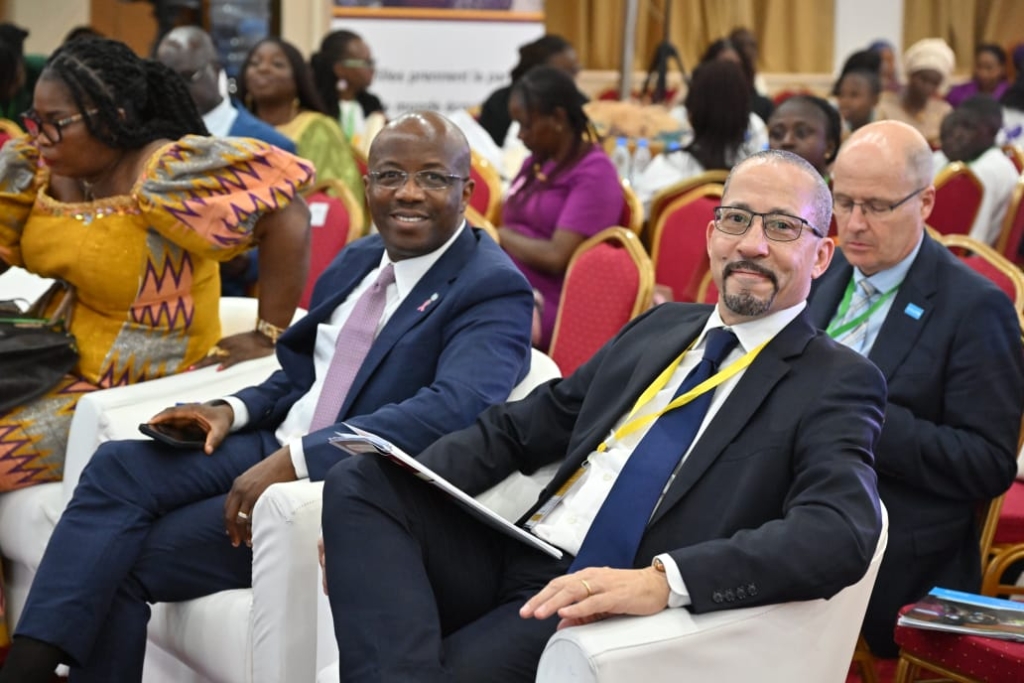
Prime Minister of Senegal, Ousmane Sonko, through his Minister of Family and Solidarity, made a solemn commitment to widely share the Dakar Declaration within the government, form a reflection committee for its implementation, and called on all states and partners “not to make it a simple document, but a binding roadmap.”
This commitment was welcomed by the young leaders. Shekina (Congo Brazzaville) commented: “The statement that was read clearly shows that they took it into account. Once in my country, I will continue to raise awareness and motivate girls.”
Similarly, Sampson W. Tweh (17, Liberia) marked a crucial shift in mindset by stating: “The Summit made me understand that we boys are not supporters of girls but allies.”
The first Regional Girls' Summit in West and Central Africa is a foundational act. The "Dakar Declaration and Program of Action" is now a living document that demands resources and solid political will.
The urgent call that “girls' rights cannot wait” signaled the end of rhetoric and the beginning of an era of decisive action, guided by the voice of adolescent girls.
Latest Stories
-
Audit exposes massive ‘dry spell’ supply scandal; 10,000 tonnes of rice missing
19 seconds -
35 contractors paid $7.9m under Agenda 111 failed to start work – Audit
3 minutes -
Students Loan Trust Fund sets March 20 deadline for ‘No Fees Stress’ admission data upload
3 minutes -
African diaspora members sworn in as Ghanaian citizens
16 minutes -
Audit uncovers fictitious GH¢89.4m debt under 1D1F programme
25 minutes -
‘The rot ends here’: Finance Ministry declares war on GH¢8.1bn audit plunder
38 minutes -
NPA extortion case: Fourth accused seeks to become prosecution witness – OSP
44 minutes -
War, shipping risks, and surplus supply put Ghana’s cocoa sector at a crossroads
45 minutes -
Speaker swears in Baba Jamal as Ayawaso East MP
1 hour -
Tema Oil Refinery set to bolster fuel supply and price stability
1 hour -
Ghana marks 2026 Commonwealth Day with call for stronger global cooperation
1 hour -
Rising oil prices could trigger unexpected petrol demand in Ghana
1 hour -
Interior Minister urges proper upbringing of children to promote peace and security
1 hour -
Honour your 1% promise: Boamah warns of investor flight as new mining royalties take effect
1 hour -
Melcom Care Foundation donates ¢500k to support Ghana Medical Trust Fund’s “Heal Ghana Month” campaign
1 hour