

Audio By Carbonatix
The Ghana Water Company Limited (GWCL) has encouraged the public to report illegal water connections to help reduce the cost of producing potable water.
Managing Director of the Company, Dr Clifford Braimah, disclosed that GWCL is still exploring avenues to monitor and apprehend illegal connections, but citizens should also play the watchdog role at it.
“Some of our customers have turned themselves into commercial ventures or commercial entities, not just taking legal water, they have illegal connections into their systems.
“The implication is that if you allow a customer to take more than he’s supposed to take, he denies those downstream what they are supposed to take,” he explained.
He further added that illegal connection is not only a drain on the Ghana Water Company but also affect the water bills of genuine customers thereby making them pay more.
“And we have to be responsible to report people who either do not pay their bills but getting water regularly or those who have connected illegally. With all these, we would be able to improve our operations.”
He added: “If you are stealing, it’s a crime you’re committing and so if you take water that does not belong to you, it’s stealing so the law still applies…you’re a water thief.”
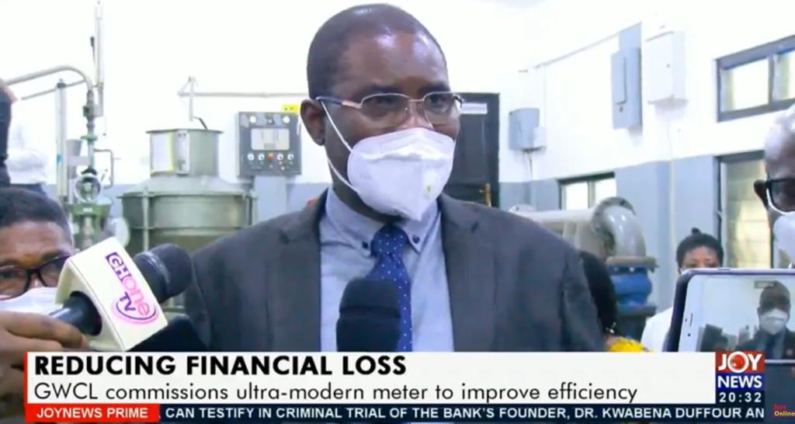
Dr Braimah was speaking at the commission of a new ultra-modern meter system, Tuesday, June 22, at the Accra East Regional Office of the Ghana Water Company Limited.
In its bid to reduce financial losses, the Ghana Water Company Limited believes the new technology will help the company track water flows and improve its distribution.
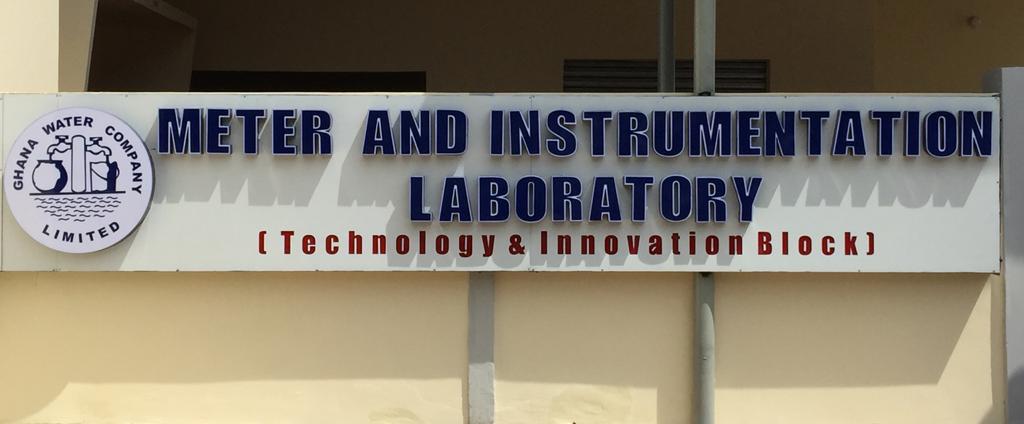
Why the meter laboratory?
The new system will check water quality at production sites and within the distribution network.
Twenty-one sensors have been installed in the Accra and Tema regions of the Company to ensure effective implementation of the system.
Managing Director of the Ghana Water Company Limited, Dr Clifford Braimah, explained the rationale behind introducing this new supervisory and data collection system.
“We want to be efficient, and we want to get efficient services to our customers. We need to know how much water has gotten into Accra; we want to be sure that the meters that are put in your homes are really reading the actual volumes of water you have consumed.”
“Instead of customers coming to tell us that you have over billed me, we want our meters to talk for us so that if the meter reads one and you come and tell me you consumed 0.5 because we are just two people, I can tell you my meter says that is not correct,” he said.
Latest Stories
-
Catholic Bishops say moral values must match economic priorities in Anti-LGBTQ+ debate
5 minutes -
IGP Yohuno urges merit and hard work ahead of Police Academy exams
18 minutes -
Queendalyn Yurglee releases debut album ‘Clouds of Glory’
51 minutes -
UDS moves to clear MPhil student wrongly linked to robbery case
1 hour -
Vodza Regatta 2026: Prof Audrey Gadzekpo rallies investors for coastal tourism growth
1 hour -
Introduction of 100 new Metro Mass buses won’t affect transport unions – GPRTU
1 hour -
Deputy Transport Minister backs Yellow Line traffic initiative
1 hour -
MTN Ashanti-Fest music concert set to hit Kumasi on Saturday
2 hours -
Authorities probe discovery of dead fish at Tema shipyard
2 hours -
Minority welcomes fuel tax cuts, demands accountability for GH¢1 levy
2 hours -
It remains a priority — Sam George on Anti-LGBTQ bill
2 hours -
Police arrest Nigerian national seen in viral videos wearing police uniforms
2 hours -
Free golf training empowers underprivileged girls in Accra
2 hours -
Why SIGA’s reset is not a market sin, but a national necessity
2 hours -
SIGA Directive: Beyond the theatre of institutional displacement
2 hours