

Audio By Carbonatix
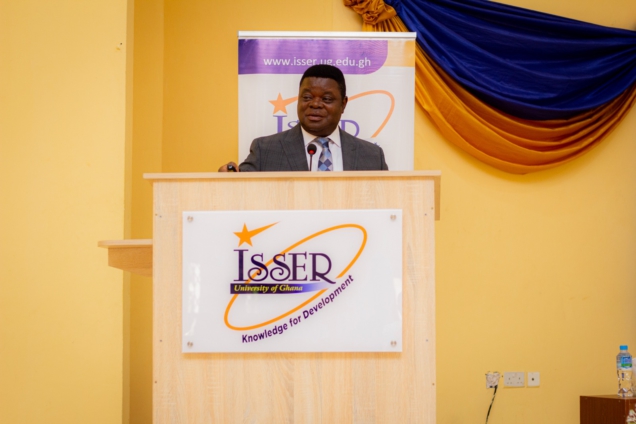
The Director of the Institute of Statistical Social and Economic Research (ISSER), Professor Peter Quartey, has emphasised the need for Ghana to draw lessons from Zambia's recent Domestic Debt Exchange Programme (DDEP) at this year's ISSER Development Dialogue.
The event's theme, 'The effects of a second round det exchange in Ghana,' set the stage for a valuable comparison.
Zambia successfully restructured $6.3 billion in debt owed to official bilateral creditors.
This was accomplished by extending debt maturities by more than 12 years and reducing interest rates to 1.0% for 14 years, rising to a maximum of 2.5% thereafter.
This strategic move was estimated to save Zambia approximately $5.0 billion in debt service payments from 2023 to 2031.
In contrast, Zambia committed to repaying its official creditors around $750 million over the next decade, a significant reduction from the nearly $6 billion initially owed.
As Ghana navigates its own debt exchange journey, Professor Quartey stressed the importance of these lessons.
Ghana is currently finalizing its bilateral debt agreements, with domestic debt management posing additional challenges.
One key lesson from Zambia is the importance of preserving domestic financial stability.
Zambia chose not to restructure non-resident holdings of local currency bonds and Treasury bills, prioritizing the health of its financial sector. This decision offers Ghana valuable insights:
- The Scramble for Treasury Bills: High-interest rates on Treasury Bills can worsen the debt situation and cause financial stress.
- Crowding Out of the Private Sector: Heavy government investment in Treasury Bills can discourage private sector investment, hindering economic growth.
- Impact on Lending Rates: High lending rates deter private-sector borrowing, affecting businesses and economic growth.
- Financial Sector Health: Protecting the stability of the financial sector is crucial for overall economic well-being.
Professor Quartey concluded by emphasizing that Ghana's ongoing debt exchange should be guided by the lessons from Zambia.
Striking the right balance between securing favourable terms and safeguarding domestic financial stability is vital, paving the way for a more stable and prosperous economic future.
Latest Stories
-
At least 30 feared dead in crush at Haitian tourist site
54 minutes -
Four arrested over murder of Scottish businessman in Kenya
1 hour -
New Mainoo deal closer, says Man Utd boss Carrick
1 hour -
Sinner beats Alcaraz to return to world top spot
1 hour -
An inappropriate joke nearly ended his career. Now he’s back with more humour
2 hours -
GPL 2025/26: Dreams FC stage stunning comeback to hammer Eleven Wonders
3 hours -
Livestream: The Probe examines Kumasi’s looming water crisis
3 hours -
MTN Ghana gears up to lead Africa’s AI revolution
3 hours -
Philanthropist Alhaji FuZak donates Da’wah bus to Ambariya Sunni community
3 hours -
GUTA calls for suspension of Publican AI system over trade disruptions
3 hours -
TTAG raises alarm over proposed recruitment of 7,000 teachers, demands national posting roadmap
4 hours -
Civilians feared killed after reports of air strike on Nigerian market
4 hours -
Bishop Simon Kofi Appiah installed as new Jasikan Diocese Bishop
4 hours -
Trump’s Strait of Hormuz blockade threat raises risks and leaves predicaments unchanged
4 hours -
US Court backs extradition of former MASLOC CEO Sedina Tamakloe-Attionu to Ghana
4 hours