

Audio By Carbonatix
A civil society group, SEND Ghana has called on the government to establish a Public Health Emergency Fund (PHEF).
This, SEND Ghana believes when done would “contribute to building a resilient healthcare system to cater to and support investments in health infrastructure, logistics, human resources, risk communication during outbreaks, local manufacturing of vaccines and medicine, and health research.”
The group made this call as the world commemorates International Day of Epidemic Preparedness.
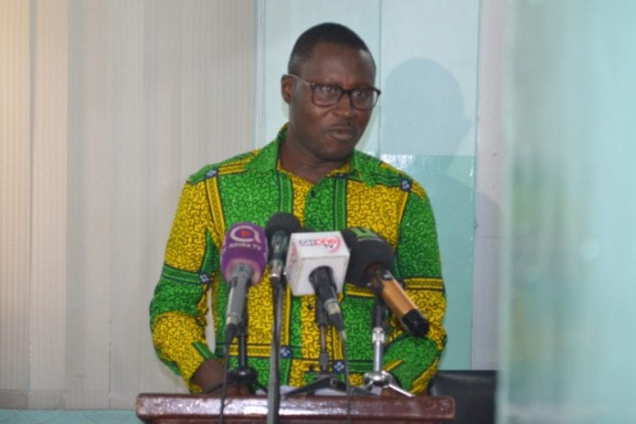
SEND Ghana in a release signed by the Deputy Country Director, Emmanuel Ayifah noted that the call “has become necessary in the wake of the multiple outbreaks of diseases, including the novel coronavirus, Marburg, Monkeypox and other recurring diseases such as meningitis and influenza.”
According to the group, it hopes government heeds the call and take the necessary steps to establish the PHEF before the end of 2023, especially when some Ghanaian citizens are beginning to question the relevance of the COVID-19 levy.
“Failing to plan for disease outbreaks costs more than having a preparedness plan in place. Hence, Ghana must prepare for and respond quickly to potential epidemics rather than waiting to act when outbreaks happen. Not preparing adequately could be dangerous for Ghana and strain an already stressed health system and economy. Preparedness requires a deliberate and concerted effort from the government and all stakeholders,” they added.
According to the group, “Lessons learned from previous outbreaks, including the ongoing COVID-19 pandemic, Monkeypox and Ebola Virus disease show that countries with better preparedness suffer fewer impacts than countries that are unprepared.
“The impacts of disease outbreaks have far-reaching consequences, including setbacks in the Sustainable Development Goals (WHO, 2021).”
SEND Ghana also entreated the government to amend the already existing COVID-I9 National Trust Fund (CNTF) established by an Act of Parliament 2020 (Act 1013) into the PHEF and make revenue from the COVID-I9 Recovery Levy the primary source of funding for the PHEF.
In addition, the CNTF can continue to leverage additional sources of funds such as donations from intuitions, corporate bodies, philanthropists, and patriotic Ghanaians.
Latest Stories
-
Fire guts auto parts warehouse at Bubuashie, one fire officer injured
2 minutes -
I owe my victory to coach Ofori Asare – Allotey after winning WBA Africa Gold Super Flyweight belt
6 minutes -
Church of Pentecost supports over 2,000 BECE candidates in Obuasi with career guidance seminar
2 hours -
Brandon Asante and Coventry all but promoted to Premier League despite Sheffield Wednesday draw
2 hours -
GPL 2025/26: Late Kwartemaa strike downs Hearts in Tema
2 hours -
Ghana Faces Sierra Leone Moment as Prosecutorial Powers come under strain
2 hours -
Don’t consume fish or seafood from Tema Shipyard until further notice – FDA warns
2 hours -
Why volunteering might be Africa’s most underrated career accelerator
2 hours -
ActionAid Ghana raises concern over gender gaps in Feed Ghana Programme
3 hours -
Windstorm wreaks havoc in Gushegu, displacing nearly 2,000 residents and damaging schools
3 hours -
Friends of Bridget Bonnie Marks her 35th birthday with donation to Kasseh Model Health Centre
3 hours -
From Ekumfi Kokodo to the Pulpit Stage: Essi Donkor’s gospel journey takes shape
4 hours -
Landfilling waste management creates no value, it’s an economic waste
4 hours -
Photos: Speaker Bagbin Commissions MPs constituency office under parliamentary decentralisation programme
4 hours -
Black Stars technical advisor Winfried Schäfer sacked as GFA shakes up backroom staff
4 hours