

Audio By Carbonatix
Stakeholders along the agricultural value chain are lamenting the cut in budget in the agricultural sector.
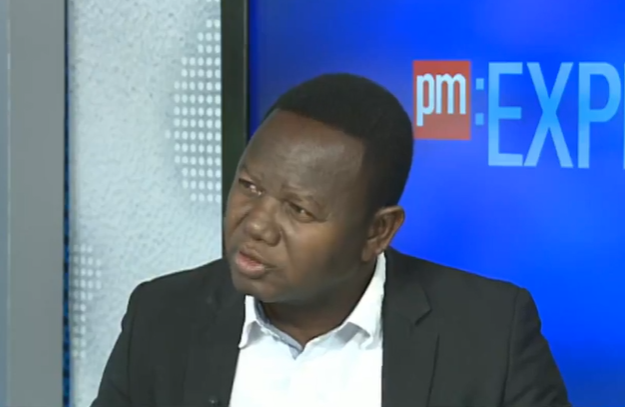
According to the General Secretary of the General Agricultural Workers’ Union, Edward Kareweh, it’s a bad timing to limit support to the sector as the country is currently experiencing crisis in food stocks.
Speaking to Joy Business, Mr. Kareweh called for more investments in agriculture, as Ghana is hugely an agric state.
“It’s just unfortunate. We know that government doesn’t have enough money, but this is the time it should prioritise agriculture. In fact, it is supposed to invest more in agriculture than any other sector because agriculture keeps our nation moving.”
“It will reduce poverty because we’re an agricultural state. Majority of Ghanaians depend on the sector for either food or labour. It is just unfortunate and I think it is a wrong policy decision to just cut the budget for agriculture at this stage in our economic development, where we’re facing crisis in our food stocks,” he said.
Government have started cutting some spending allocations to the agricultural sector in the country as part of the larger expenditure review for all Ministries, Department and Agencies.
The Deputy Minister of Food and Agriculture, Yaw Frimpong Addo, said the suggestions were made to remove all support, but his outfit stood its ground.
“One of the steps that the ministry is taking to review some of the policies and programmes is to gradually move away from high 60% fertiliser subsidy to 15%. The truth is some suggested that we totally scrap the subsidy, but the minister insisted on helping farmers,” he stated.
Meanwhile, government has justified the additional spending cuts rolled out by the Finance Minister, Ken Ofori Atta, describing it as significant within current limitations.
The cuts, according to the Finance Minister, will help save the economy about ¢3.5 billion this year.
According to the Deputy Minister of Finance, Abena Osei Asare, Ghana’s expenditure budget is made up of compensation, interest payments, capital expenditure, goods and services.
“These are expenditure which are hard to cut. But for us [the Finance Ministry] to make a cut of ¢3.5billion on our discretionary item, it is very substantial. We believe it will also send the right signal and message to all the Ministries, Departments and Agencies to work within their space, so that at the end of the day, we can achieve set targets.”
Latest Stories
-
‘We’ve become quite experienced in negativity’ – Liverpool’s Slot
36 minutes -
Legendary manager Lucescu dies days after resigning
57 minutes -
One dead as train travelling 99mph collides with lorry in France
1 hour -
Airlines cut flights and hike fares as fuel prices surge
1 hour -
Kane inspires Bayern to first-leg advantage over Real Madrid at Bernabéu
2 hours -
Wireless Festival cancelled after Kanye West blocked from coming to UK
2 hours -
Wa West MP commissions five boreholes for the benefit of his constituents
2 hours -
Havertz’s late strike hands Arsenal narrow first-leg advantage over Sporting
2 hours -
Damang mine award: Minority not against Ghanaian participation; we’re asking for fair process – Konadu
2 hours -
NPA to enforce stricter registration rules for petroleum tankers
3 hours -
Manhyia South MP laments decline in hospitality operations in his constituency
3 hours -
How a simple clean charcoal innovation could benefit Ghana’s climate future
3 hours -
NPA, COMAC launch Safety Week 2026 to promote risk management in petroleum sector
3 hours -
Stakeholder engagement resolves onion trade impasse
3 hours -
Gender Ministry holds staff durbar, welcomes new Chief Director
3 hours