

Audio By Carbonatix
Stakeholders are promising to do more in the area of suicide prevention, especially child suicide, as they have, for the first time, developed a scorecard tool for media reporting on suicide.
A stakeholder-consultative meeting also adopted the latest World Health Organization recommendations for media reporting on suicide.
According to the WHO, there is a direct correlation between media reports about people who die by suicide and subsequent additional suicidal acts.
This, they hope, will go a long way toward positively impacting preventive suicide.
According to the World Health Organization, at least 700,000 people die annually due to suicide.
Suicide is the leading cause of death among 15- to 29-year-olds globally, with 77 percent of suicide-related deaths occurring in low- and middle-income countries, including Ghana.
Responsible reporting on suicide where information on support services is provided can effectively drive down suicide figures.
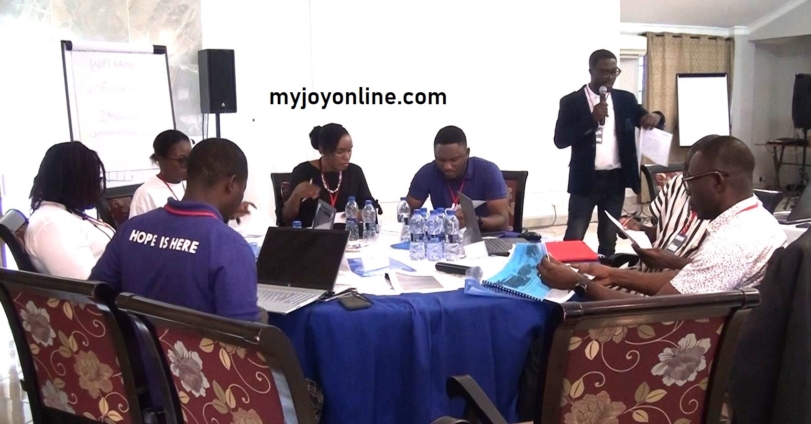
It is in this regard that the Association of Suicide Prevention Ghana (GASP), for the first time, organized the consultative stakeholder meeting with over 13 stakeholder organizations to adopt the latest WHO guidelines on suicide reporting for the media and also develop a scorecard tool for media personnel reporting on suicide.
“In Ghana for a long time, we’ve not seen anything in terms of media reporting guideline; the other thing is that, media people are doing their job professionally as they have been trained but we also believe that suicide is the unique problem and we may not need to go the way traditional media people are supposed to report every other phenomenon. They cannot apply the same principle to reporting suicide,” says President of GASP, Dr. Nii-Boye Quashie.

Made up of academicians, mental health professionals, crisis workers, pastoral care workers, media personnel, volunteers, and suicide survivors, GASP is established to prevent suicide and suicidal behaviour and alleviate its effects.
GASP also provides a forum for academicians, mental health professionals, crisis workers, pastoral care workers, media personnel, volunteers, and suicide survivors.
Speaking at the opening of the 4-day consultative meeting, President of GASP, Dr. Nii-Boye Quashie told Joynews, the meeting was not to teach journalists how to professionally do their work but to build consensus on reporting a complex issue like suicide.
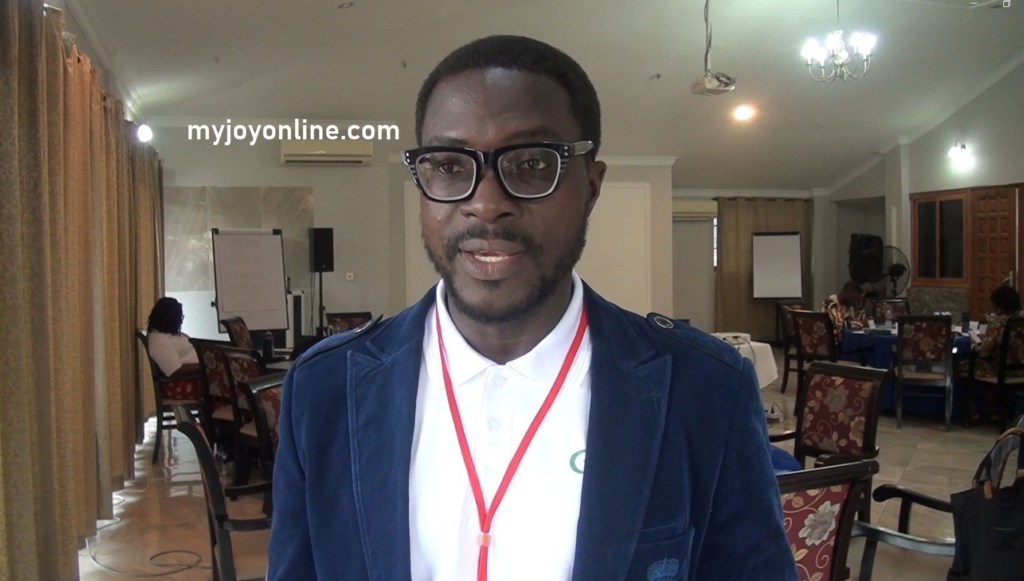
“It becomes important for us to come together, not just as suicide researchers or experts coming together to impose something on our media people. We believe in their professionalism of our media personnel and so it was a good idea that we come together and collaboratively, share ideas, and then talks about experiences that we’ve all been through and see how we can build consensus to agree on some guidelines and make recommendations to our media people.”
For him, the adoption of the World Health Organization’s guidelines for media reporting on suicide is a step in the right direction.
“We think that it is a step in the right direction and hoping that as we monitor the usage of these resources, going forward, this would improve in terms of how we represent, portray and report suicide in the media in Ghana”.
Meanwhile, some stakeholders who are already excited about the measures being undertaken are promising to do more in the area of prevention to save lives.
First is the Chairman of the National Media Commission, Yaw Boadu Ayeboafo, who thinks suicide reporting is newsworthy and must be done with all circumspection.
“When somebody commits suicide, there’s a possibility that he would leave behind children and somebody would have to take care of those children. So it becomes an issue for the public,” he said.
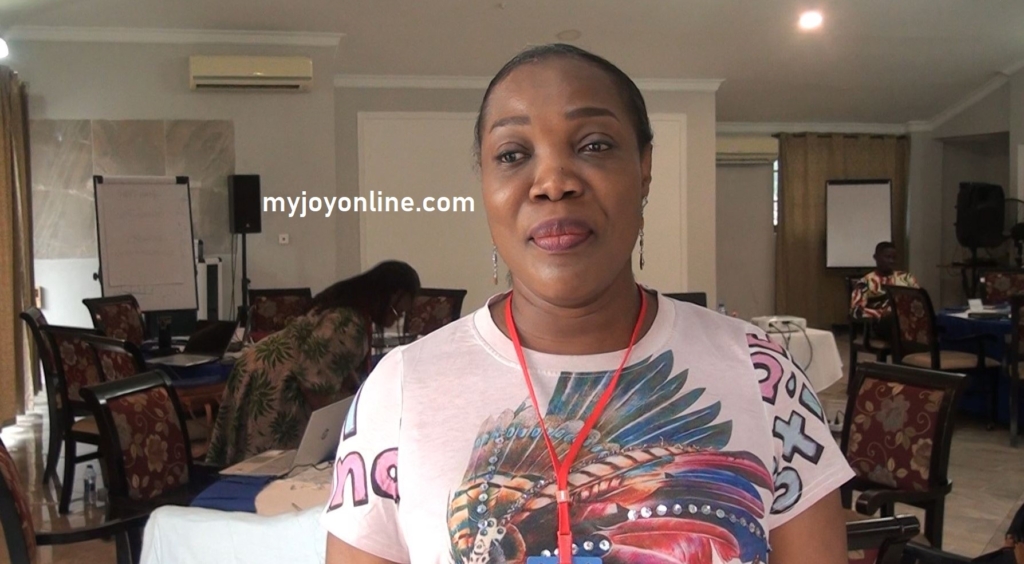
For Ms Gloria Hiadzi , the Executive Secretary of Ghana Independent Broadcasters Association, the largest umbrella body of all private media in Ghana, the timing of meeting couldn’t have been better than now.
“I think it is very timely; very good. They [GASP] have opened our eyes to what can be said, what cannot be reported; how to go about issues and how to better carry out our mandate of educating the public.”
According to her, with the meeting, the era where media personnel falter over suicide reporting is over.
“ Overall, I think the reporters didn’t do their work in the way the experts in the field of mental health and its related subjects would have wanted them to do. So in this situation where we have come together to have this discussion for the loopholes to have been pointed out to us, I think it’s good.”
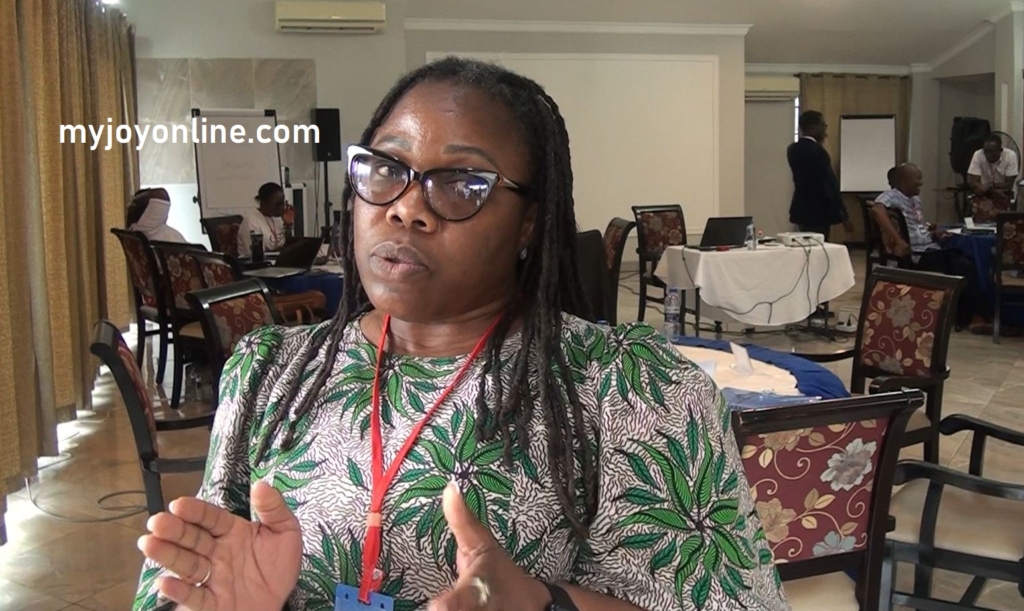
Dr. Benedine Azanu, the Acting Head of Journalism at UNIMAC believes the time is ripe for the university to lead journalism training on suicide reporting in the classroom by including suicide reporting in its curriculum.
“What we would be doing specifically is to ensure that health reporting that takes account for suicide reporting as a health issue as part of the undergraduate curriculum and also at the Masters level.”
Participating institutions include the National Media Commission, the University of Media, Arts, and Communication, the University of Ghana’s School of Public Health, the Ghana Mental Health Authority, the Ghana Journalists Association, and GIBA.
Others are the Ghana Psychological Association, the Ghana Health Service, as well as representatives of religious groupings.
Latest Stories
-
Prudential Life settles GH¢100,000 medical bills under its PRUCares Valentine Experience Initiative
1 hour -
Wa West Picnic: Peter Lanchene Toobu champions peace, health and unity in landmark celebration
2 hours -
Dr Mensah Market flooded after downpour in Kumasi
2 hours -
Armed men reportedly storm Adjen Kotoku Onion Market amid tensions
3 hours -
Tecco Mensah writes: Why football fans must look beyond statistics
3 hours -
Police recover stolen Honda CR-V in Kumasi within 48 hours
4 hours -
Apetorku Gbodzi 2026 Festival opens in Dagbamete with development focus
4 hours -
President Mahama arrives in Lyon to co-chair One Health Summit
4 hours -
Beverly View Plus Hotel draws crowds amid coastal Easter rush in Volta
4 hours -
Maiden Zongo Festival held in Wa amid calls to tackle drug abuse among the youth
5 hours -
FDA warns of fake HIV test kits on Ghanaian market
5 hours -
Africa urged to build resilient health systems as donor support tightens
5 hours -
Easter gesture: Ablakwa settles medical bills for 85 North Tongu constituents
7 hours -
Africa must harness its population strength—Titus-Glover
7 hours -
Visa-free access doesn’t mean unlimited stay – Lom Ahlijah
7 hours