


Audio By Carbonatix
Victims of sexual and gender-based violence are often challenged when it comes to footing the bills for their medical reports.
Such bills, costing between GH¢300 and GH¢1,000, are not covered under the National Health Insurance Scheme.
The quest for justice in the prosecution of perpetrators is therefore impeded.
Stakeholders in the fight against sexual and gender-based violence are therefore pushing for the absorption of such costs by the NHIS.
Failure to get signed medical reports in cases of abuse often leave suspected offenders to go scot free.
"The main point of advocacy is about medical reports. We all came to agree that rather than tackle the doctors charging the fee because there is an argument that they also need it for the transport and own expenses, the surest way is getting it added to NHIS so that they can cover the cost", Anthony Boateng Bediako, Director of Abuse Relief Corps told stakeholders at a workshop.
Abuse Relief Corps, a non-governmental organisation, has been providing financial assistance for medical examination of abused victims, and supports police investigations and prosecution of accused persons.
At one of its workshops in Kumasi, stakeholders, including the police, personnel from Social Welfare, judiciary, media, Ghana Education Service and civil society organizations discussed and proposed best case management practices for sexual and gender-based violence.
They called for deeper collaboration to curb such abuses.
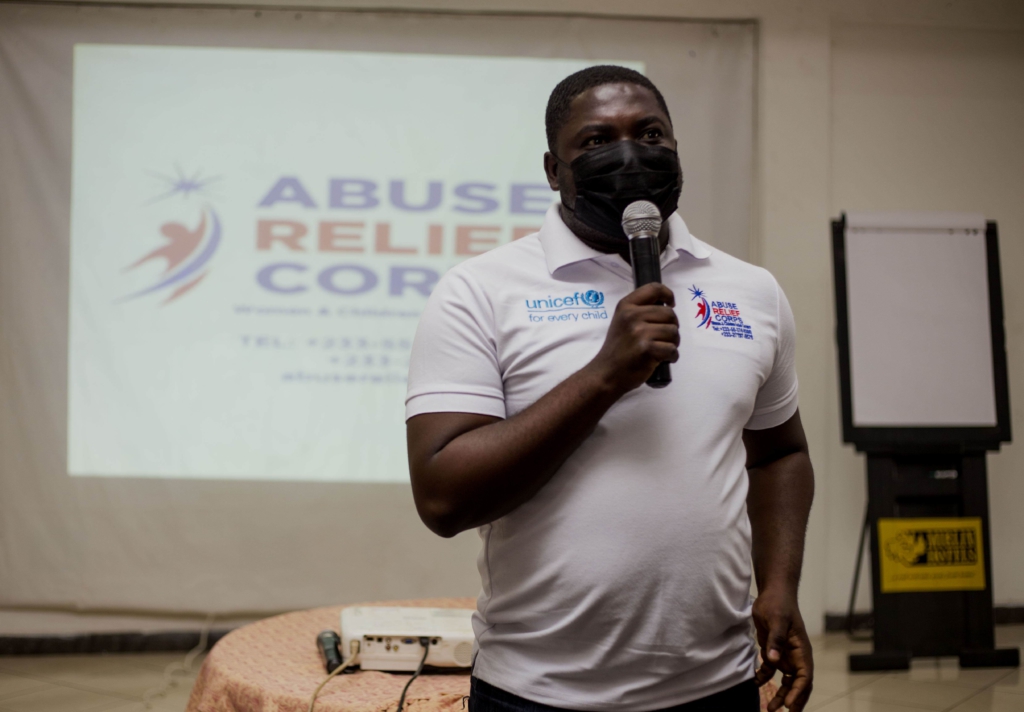
Anthony Boateng Bediako, Director of Abuse Relief Corps, summarized the proposals of stakeholders at the forum.
" As various actors, let's say, with the police, with Social Welfare, with issues of transportation, we looked at how they can coordinate with other NGOs like ourselves so that we can get the cases done.
"And then even with GES, they also advocate to get more guidance and counseling officers and to look at how we can screen teachers that are employed to work or teach children; and Social Welfare too, we are looking at ways that they can improve their coordination, getting the service directory up so that they can be contacted at every point in time whenever the police or any other person is in need of protection.
"And the police also to coordinate to refer cases and ensure that whilst they handle the criminal bit, the other sectors can look at the Social Welfare needs."
The workshop was supported by UNICEF.
Latest Stories
-
Livestream: The Law discusses Supreme Court @150
31 minutes -
MTN Momo staff walk to promote wellness and fitness
48 minutes -
Assafuah: Sedina Attionu’s return from Nevada will test government’s commitment to accountability
52 minutes -
How GRA’s Modified Taxation Scheme is boosting revenue compliance & SMEs competitiveness
1 hour -
Stonebwoy Can Do It: A call to unite behind 2026 BHIM Fest
2 hours -
World Shea Expo returns to Tamale for 2026 edition
2 hours -
Prioritise cocoa sector with better prices, timely payments-Annoh-Dompreh urges NDC
2 hours -
Lands and Mines Watch Ghana endorses Heath Goldfields’ mining capacity
2 hours -
Gbintiri residents protest alleged diversion of 24-hour market project
3 hours -
Justin Bieber headlines Coachella with nostalgia-fuelled set
3 hours -
Ukraine and Russia accuse each other of hundreds of ceasefire violations
3 hours -
Asha Bhosle: The sound of Bollywood dies aged 92
3 hours -
Fire destroys section of 4-bedroom apartment at Tantra Hill
3 hours -
Safe city: Unnoticeable protection
3 hours -
North East Regional Police Commander raises alarm over burning of checkpoints
4 hours