

Audio By Carbonatix
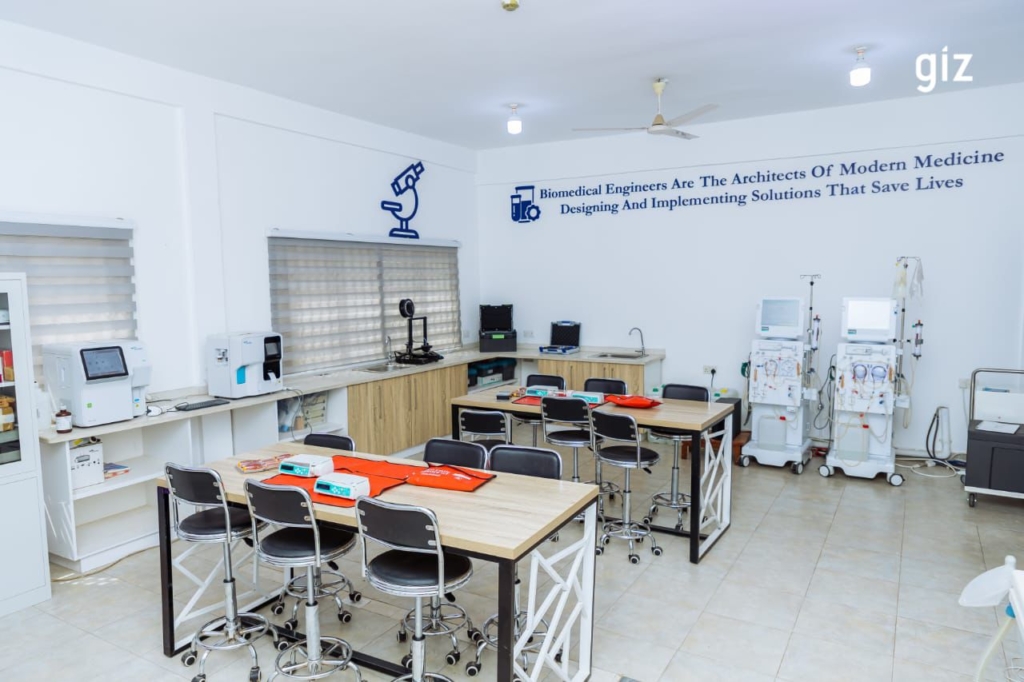
The German Development Cooperation (GIZ) has commissioned a refurbished bio-instrumentation laboratory at the University of Ghana to enhance practical training for Biomedical Engineering students and strengthen technical capacity in Ghana’s healthcare sector.
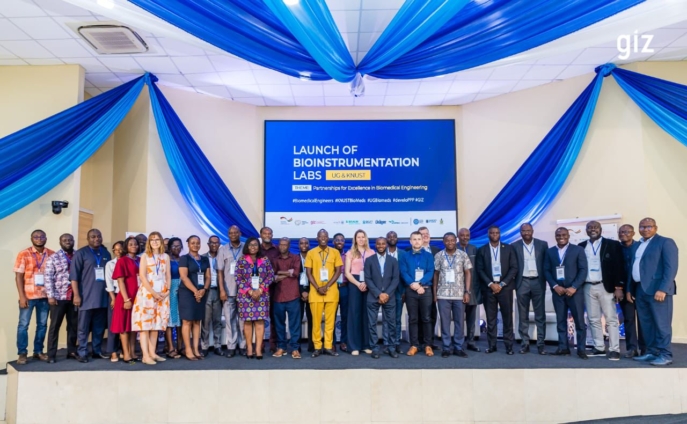
The laboratory was officially launched at the ISSER Conference Hall of the University of Ghana on Thursday, 26 February 2026, bringing together government officials, university authorities, development partners, and students.
The state-of-the-art facility is equipped with modern biomedical instruments designed to bridge the gap between theoretical learning and hands-on practice, aligning student training with industry standards.
The launch comes as a major relief for students who previously faced challenges gaining practical experience due to outdated equipment and limited laboratory infrastructure. Many students relied heavily on theory, making it difficult to apply classroom knowledge in real-world situations.
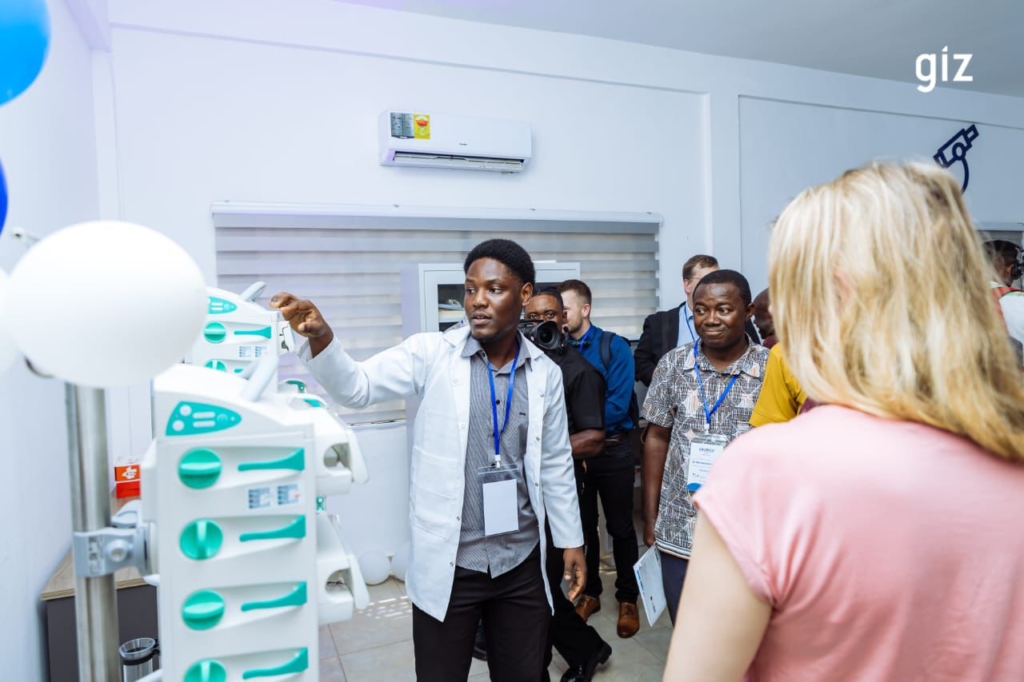
Students, including Daniel Tindan Yinpang and Tricia Andoh-Yamoah, described the new laboratory as a significant improvement that will enhance experimentation, innovation, and professional preparedness.
Speaking at the launch, Professor Elsie Effah Kaufmann, Dean of the School of Engineering Sciences at the University of Ghana, reflected on the long and challenging journey of establishing biomedical engineering education in Ghana.
“We had issues with capacity, facilities, and especially the practical aspects of the programme,” she said, noting that early years were marked by inadequate teaching staff, limited infrastructure, and insufficient facilities for practical training. Lecturers often handled multiple courses while students struggled to gain hands-on experience.
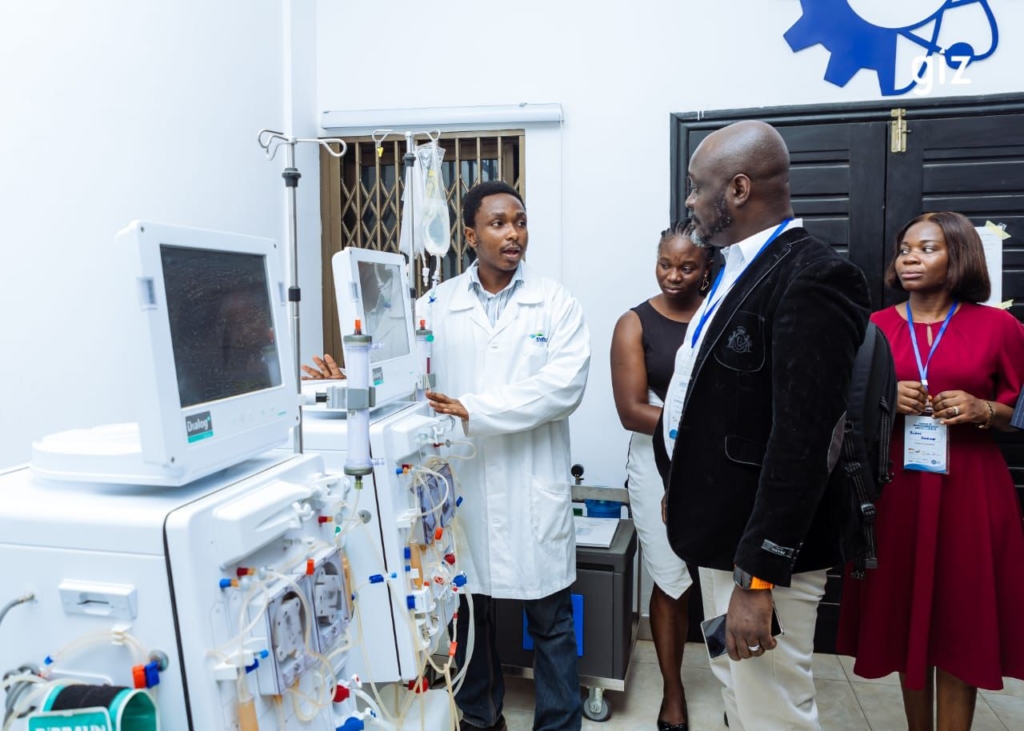
Speaking on behalf of the Minister of Health, Dr Ignatius Awinibuno, Director of Allied Health at the Ministry of Health, emphasised that Ghana’s quest for universal health coverage could be undermined without strong biomedical technology systems and skilled professionals to maintain medical equipment.
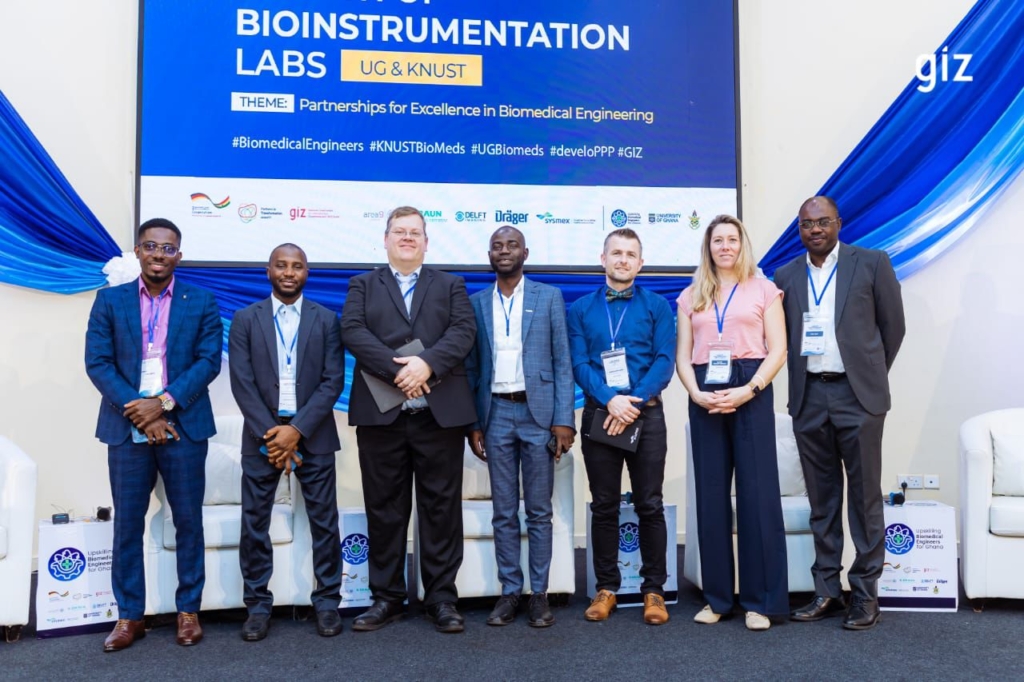
The Lead Consultant for the Upskilling Biomedical Engineers for Ghana initiative, Professor Thorsten Wagner, also highlighted the importance of strengthening practical biomedical engineering education to ensure sustainability in healthcare technology management.
The facility is expected to benefit both current and future cohorts of Biomedical Engineering students, marking a significant milestone in advancing skills-based engineering education at the University of Ghana.
Latest Stories
-
The 7-foot giant of Ngleshie Amanfro: Seven-foot Ghanaian Ephraim Saawa dreams of joining the national basketball team
9 minutes -
Government promises support for Kumasi Central Market fire victims
15 minutes -
Vibes The Movie: Big Ghun’s Ghanaian film earns five nominations at 2026 REFFA
46 minutes -
MamaCare CEO warns unresolved conflicts among health workers could undermine maternal and neonatal care
1 hour -
Health professionals urged to translate medical knowledge into practice to save mothers
1 hour -
Conflicts among care providers linked to maternal, neonatal deaths – Expert
3 hours -
GIS marks 10th TIME conference, champions improved teaching practices
3 hours -
BRICS Or Balance? What Ghana’s bid really means
3 hours -
GPRTU wants full TRAFFITECH-GH implementation to start in 2027
4 hours -
Mahama announces plans to import electric wheelchairs for PWDs
4 hours -
KGL U17 Colts 2026: Western beat Prempeh Elite Academy to set up final final with Greater Accra Region
4 hours -
Late Solanke strike salvages 10-man Spurs draw at Man United
4 hours -
Gender Ministry to monitor welfare of Nana Akua Addo’s children amid domestic violence case
4 hours -
Benedict Okyere Yeboah: Ghana’s football problem goes beyond sacking a coach
5 hours -
GPL 2026/27: Darkwah Wiafe’s winner sees All Blacks beat Kotoko
5 hours