


Audio By Carbonatix
Smallholder farmers in the Daffiama-Bussie-Issa (DBI) District of the Upper West region are set to experience a major agricultural transformation following the commissioning of a newly rehabilitated dam and a solar-powered cold room in the Duang community.
The facilities, inaugurated on Tuesday, are the result of a collaborative effort between the European Union, GIZ, and the DBI District Assembly.
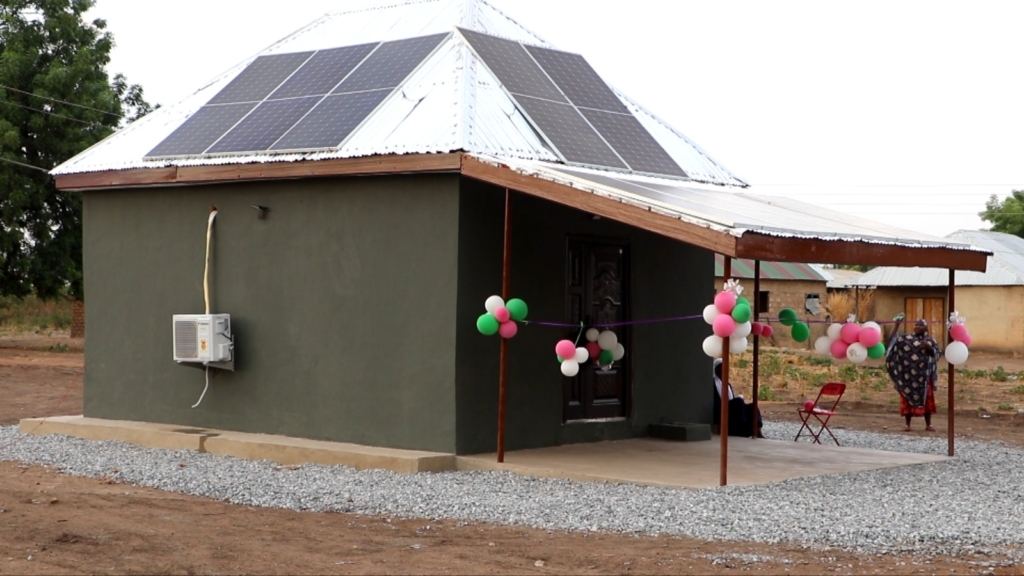
According to a team leader for Infrastructure and Sustainable Development with the EU Delegation to Ghana, Paulina Rozycka, the cold room is designed to store up to 10 tons of agricultural produce annually.
This will allow farmers to preserve their harvest, reduce post-harvest losses, and sell during peak market periods to stabilise prices and improve their livelihoods.

To ensure the sustainability of the facility, the DBI District Assembly stepped in to power the cold room entirely with solar energy.
District Chief Executive (DCE) James Wor noted that relying on the national grid would have burdened the rural community with exorbitant electricity bills.
Additionally, the Assembly is providing resources to fence the irrigable dam area to protect dry-season crops from stray animals.

The projects were born directly out of Community Action Plans (CAPs) developed by the locals.
Director at the Office of the Head of Local Government Service, Prosper Ahalivor, explained that 15 communities in the district were supported by GIZ to create these action plans, driving decentralised governance and popular participation.
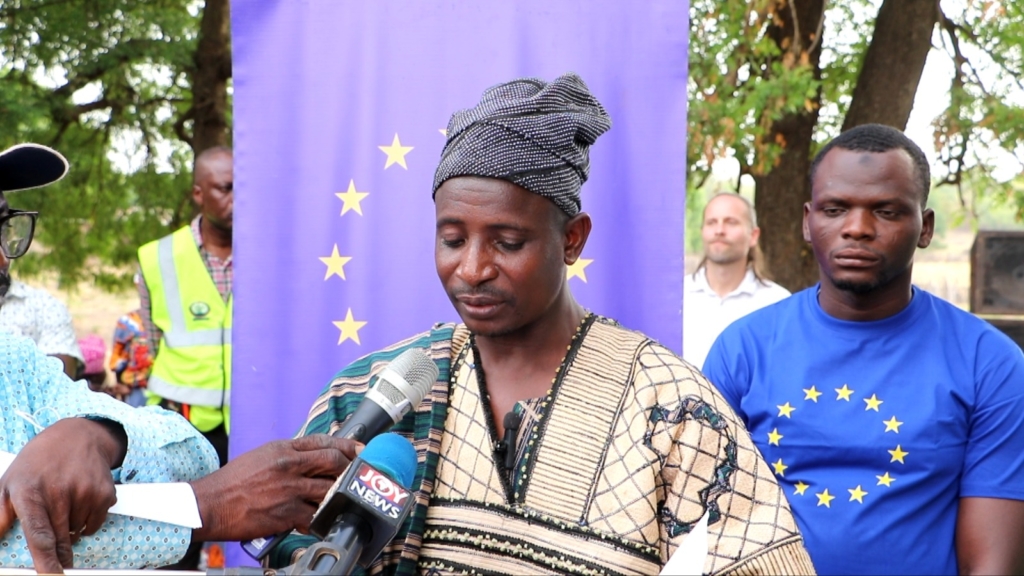
Team Leader for Infrastructure and Sustainable Development with the EU Delegation to Ghana, Paulina Rozycka, praised this grassroots approach, emphasising that true sustainability begins with self-sufficiency and community initiative.
The agricultural boost extends beyond Duang. DCE James Wor revealed that the development partners have also provided eight mechanised solar-powered boreholes to various communities, supported agro-forestry initiatives, and supplied environmentally friendly farm implements such as multi-purpose threshers, hand-held planters, and reapers to farmers in Issa and other areas.
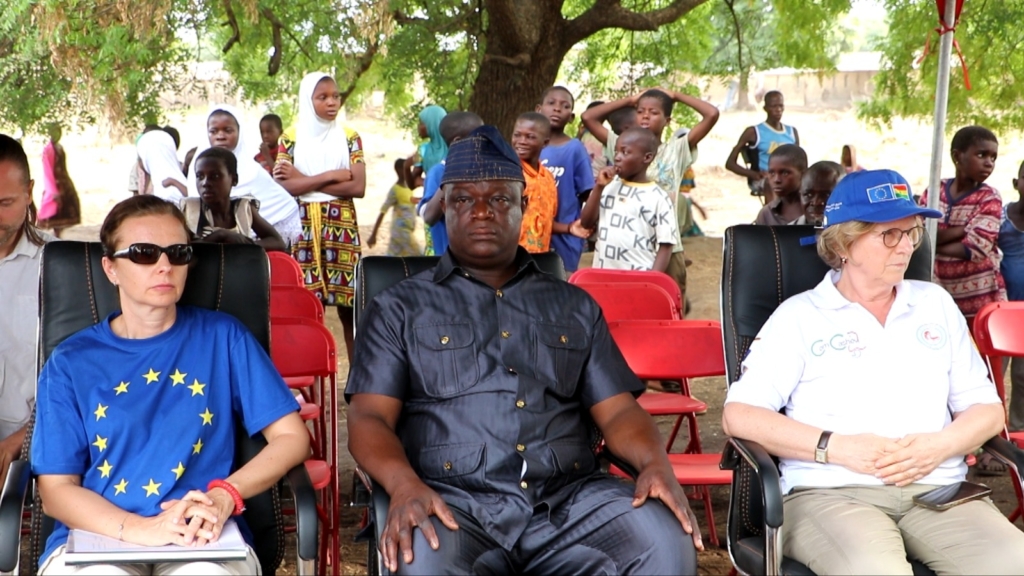
Despite these successes, local leaders are appealing for further support. Both the Divisional Chief of Duang, Kuori Sumaila Tambogikuon II, and the DCE highlighted the district's deplorable road networks.
They specifically appealed to the Ministry of Roads to construct the Issa-Duang-Kajikperi road and link Duang to the Samanbo road to facilitate the transportation of farm produce.
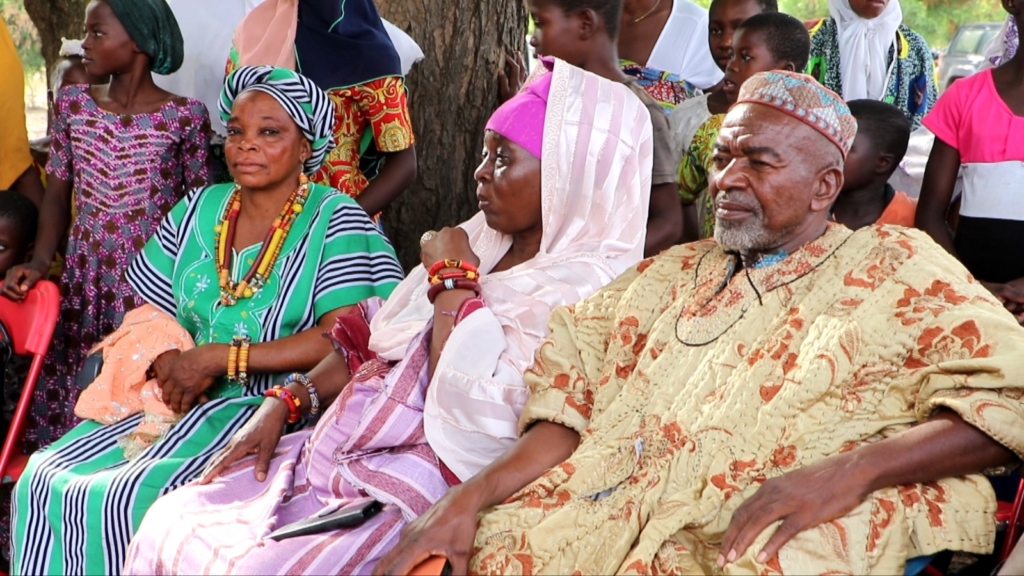
Mr Wor also called on the Ministry of Food and Agriculture to support land preparation for a 2,000-acre cassava farm to revive an idle processing plant in the district. The Chief further requested support for the construction of a daily market near the cold room.
In a show of profound gratitude, the Duang community honoured the development partners by dressing them in traditional smocks, officially crowning them as "development partners" as a way of celebrating a new dawn of agriculture in the community.
Latest Stories
-
Photos: Mahama commissions 85-bed Police Hospital ward, donates two ambulances
8 minutes -
GTEC directs Ghana’s public universities to reopen by October 16 and begin lectures on October 19
9 minutes -
Star Oil donates GH¢1million towards construction of new CID facility
13 minutes -
Court hands Adjetey Sowah, two others lifetime bans after Amputee Football legal dispute
22 minutes -
NDC appoints Julius Kwame Anthony as a Deputy Communications Director
23 minutes -
Ghana repatriates 120 Nigerians rescued from suspected cybercrime centres
27 minutes -
NPP rejects Emelia Agbenyo’s appointment as Deputy EC Chair, demands withdrawal
32 minutes -
EOCO grants Suame MP John Darko enquiry bail in GH¢27m SIC investigation
35 minutes -
NPP cannot question EC appointment after appointing own people to Commission – Kwakye Ofosu
41 minutes -
BoG deepens public trust with regional stakeholder forum in Techiman
50 minutes -
‘We have turned the tide’ – Ato Forson says Ghana is ready to take off
55 minutes -
Police arrest man captured in viral video assaulting wife in Agona Nkwanta
57 minutes -
KATH Mother and Baby Unit construction stalled for 14 months over unpaid contractor arrears
1 hour -
Government wanted to ‘tilt the balance’ with new EC appointments – Kwakye Ofosu
1 hour -
Angry Tema Community 25 residents threaten to sleep at GWL over water shortage
2 hours