

Audio By Carbonatix
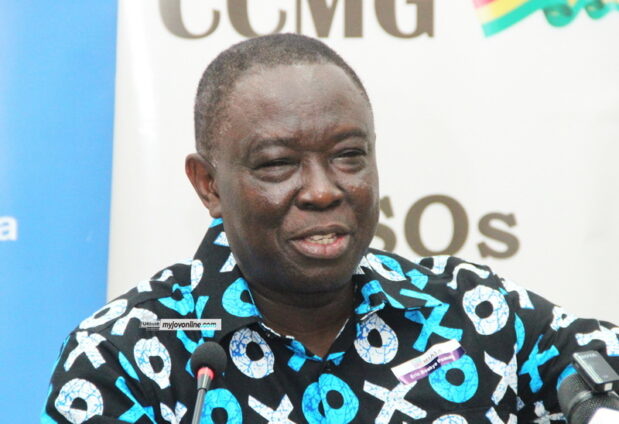
The National President of the Coalition of Civil Society Organisations on Migration in Ghana (CCMG), Eric Boakye Peasah, has called on the government to decentralise migration governance by empowering metropolitan, municipal and district assemblies (MMDAs) to manage migration-related issues within their jurisdictions.
He argued that because foreign nationals are present in communities across the country, migration governance should no longer be handled primarily from the national level.
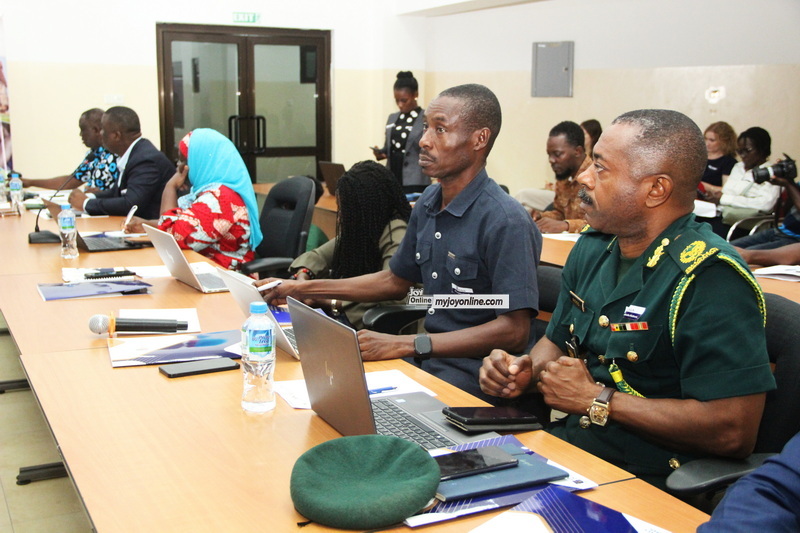
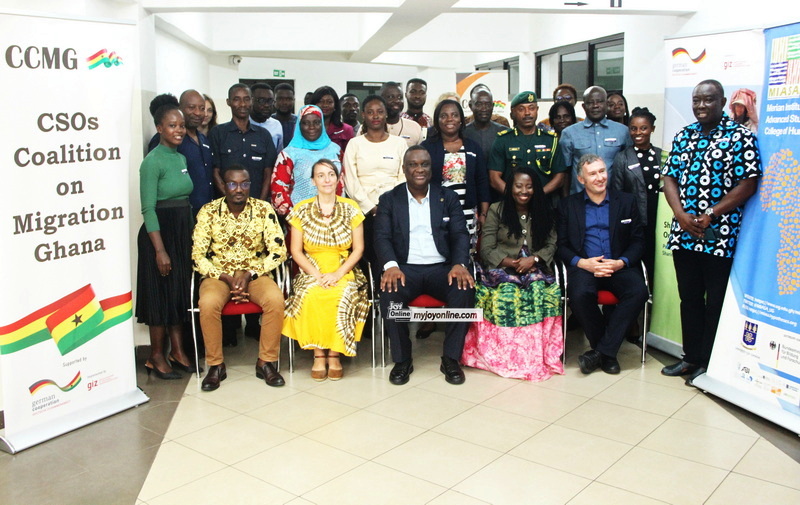
Speaking to MyJoyOnline at the close of the two-day 2026 Post-International Migration Review Forum (IMRF) National Stakeholder Dialogue, organised by CCMG in partnership with GIZ and the Merian Institute for Advanced Studies in Africa (MIASA) at the University of Ghana, Mr Boakye Peasah said migration was not merely a national issue discussed in Accra but one that played out largely at the local level.
"In reality, most migration activities, challenges and opportunities play out at the local level," he said.
"A critical look at the issue will reveal that migration governance takes place more at the local level. So managing migration governance should also take place more within the districts."
He said the country had managed migration centrally for many years but believed the responsibility should now be assigned to district and municipal assemblies.
District assemblies already taking first steps.
Mr Boakye Peasah revealed that progress towards decentralising migration governance was already underway.
According to him, the National Development Planning Commission (NDPC) this year introduced a policy requiring every district assembly to incorporate migration into its development agenda.
He described the move as the "first step" towards effective decentralisation of migration management.
However, he noted that the assemblies would require more than policy directives to perform the role effectively.
"They all need information for planning, response and support services," he said.
Proposal for digital migration platform
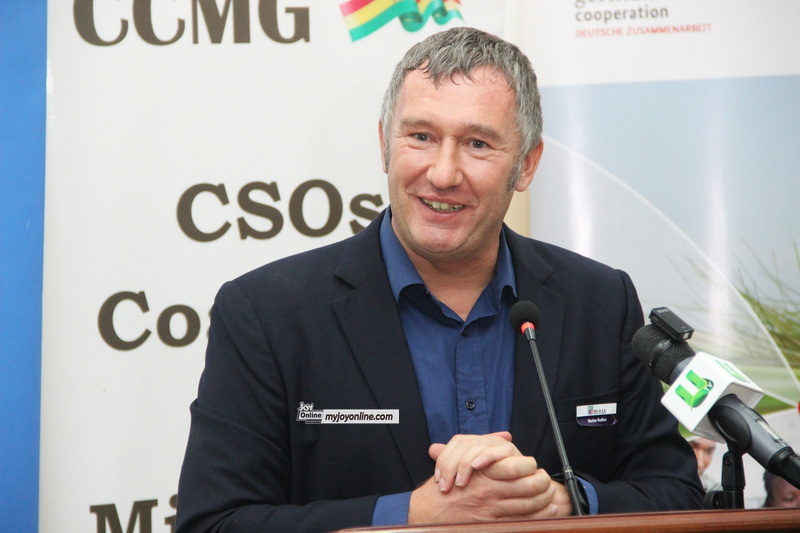
To bridge the information gap, the CCMG President proposed the establishment of a dedicated digital platform for metropolitan, municipal and district assemblies.
He explained that the platform could serve as a central repository for migration data, policy guidance and public education.
"With this digital platform, the assembly can even provide basic information as a beginning point. It can be a step ahead," he said.
According to him, such a platform would enable local authorities to monitor migration trends, support migrants and returnees, and improve coordination with national institutions.
Condemns xenophobic attacks in South Africa
Commenting on the recent xenophobic attacks against African nationals in South Africa, Mr Boakye Peasah condemned the violence and called on the African Union to take decisive action.
He expressed disappointment that South Africans appeared to have forgotten the support they received from other African countries, including Ghana, during the country's liberation struggle.
"It is disappointing that South Africans have failed to remember the massive support the country received from African countries, including Ghana, during the liberation struggle," he said.
"We must protect the spirit of African solidarity and hold member states accountable when that spirit is violated."
He added that CCMG and its partners would continue advocating humane migration policies in Ghana and across Africa, with a strong emphasis on protecting the rights and dignity of migrants.
GIZ calls for collaborative approach
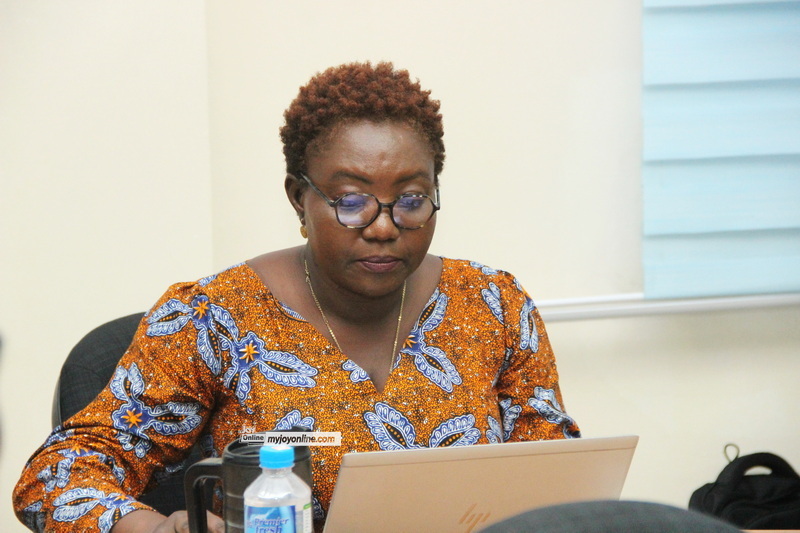
The Implementation Manager and Programme Component Manager for the Development-oriented Migration Programme at GIZ, Abena Owusua Amponsah-Bio, also called for a collaborative and evidence-based approach to migration governance.
She said migration created opportunities for economic growth, innovation, cultural exchange and development while also presenting complex challenges that required evidence-based responses.
"Migration creates opportunities for economic growth, innovation, cultural exchange and development, while also presenting complex challenges that require evidence-based approaches," she said.
She noted that migration intersects with labour mobility, climate change, regional integration, human rights, security and sustainable development, making collaboration essential.
"No single institution can address these issues alone," she said.
She further stressed the importance of reflecting on global migration processes such as the International Migration Review Forum.
"As we think generationally, our journey in migration management in Ghana should involve reflection on important global processes such as the IMRF. This is key for Ghana's positioning in the migration management ecosystem and for fostering continuous learning in a country that is doing so well."
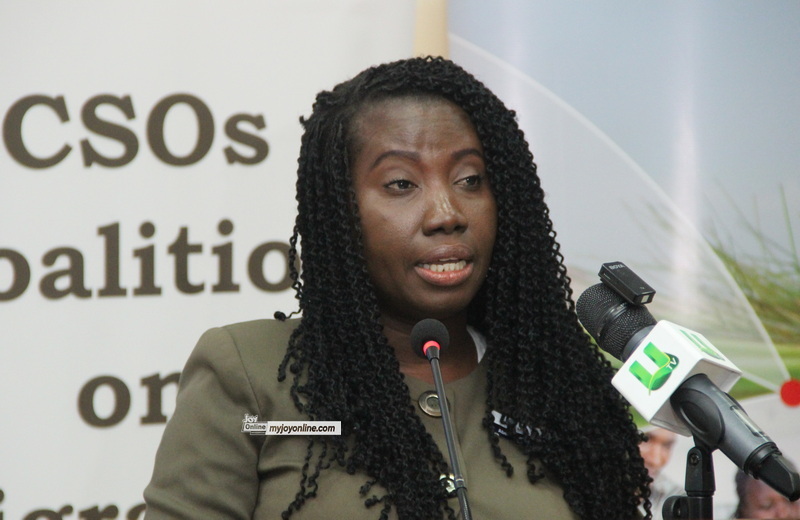
Ministry urges implementation of IMRF commitments
A speech delivered on behalf of the Director of the Migration Directorate at the Ministry of the Interior, Freda Agyei Asare, highlighted the critical role civil society organisations continue to play in Ghana's migration governance framework.
She said stakeholders must now move beyond dialogue and focus on implementing the commitments emerging from the 2026 International Migration Review Forum.
"As key stakeholders, our responsibility extends beyond dialogue. We must now focus on translating the commitments and lessons emerging from the 2026 IMRF into practical national actions," she said.
Ms Agyei Asare noted that Ghana's delegation, led by the Minister for the Interior, Muntaka Mohammed-Mubarak, actively participated in the 2026 IMRF held in New York from 4 to 8 May 2026.
She said that as a Champion Country, Ghana co-chaired high-level sessions and hosted side events on labour migration, fair recruitment, diaspora contributions and local governance.
According to her, the Forum helped identify gaps in Ghana's migration framework while strengthening bilateral cooperation, renewing commitment to the National Coordination Mechanism (NCM) and generating increased support for migration programmes.
"Through stronger collaboration and coordinated implementation, we can collectively advance safe, orderly and regular migration in line with Ghana's national development priorities."
Latest Stories
-
I want my brand to be bigger than just music – Yaw Wazinga
25 seconds -
Houthi missile attack on Yemeni presidential palace kills two, minister says
59 seconds -
I hoped to win an award; I worked hard – 2026 Best Graduating Law Student
11 minutes -
Fraudsters increasingly target bank customers instead of banking systems – Fraud detection expert
11 minutes -
JoyNews tracks 44 cases of teachers accused of sexually abusing students since 2015; heads of schools behind 4 in 10 since 2025
14 minutes -
Unchecked imports and the Middle East crisis threaten Ghana’s fragile food inflation anchor
33 minutes -
Ecobank Junior Saver Big Pitch to reward 10 winners with GH¢2,000 each
37 minutes -
AMA demolishes unauthorised pigsty obstructing Agbogbloshie waste evacuation exercise
37 minutes -
I was filled with disbelief – Akosua Achia Sarpong Esq. shares her first reaction
38 minutes -
Snake Village: A look at Volta Region’s hidden snake village and its tourism potential (Video)
45 minutes -
Election Watch Ghana calls for constitutional reforms to strengthen Electoral Commission independence
48 minutes -
NACOC, Postal and Courier Services Regulatory Commission intensify efforts to curb drug trafficking
49 minutes -
Ga Mantse chairs committee to drive Accra Green and Clean City Initiative
51 minutes -
Drivers threaten to remove traders from lorry stations over TrafficTech concerns
54 minutes -
AI could create 10 to 20 times more jobs despite current recruitment slowdown – Hubtel CEO
56 minutes