

Audio By Carbonatix
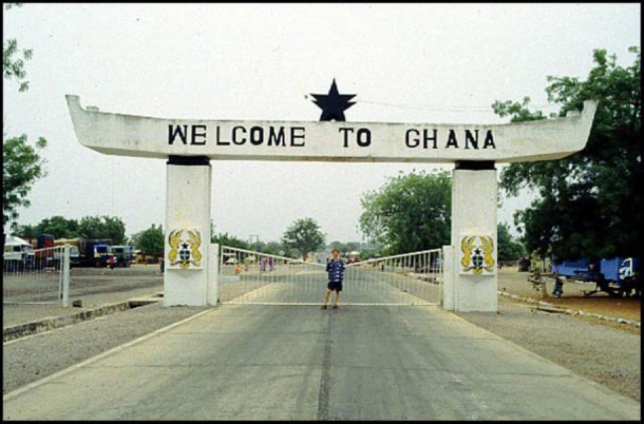
Alleged extortion at Ghana’s official border posts, coupled with financial difficulties and inadequate travel documentation, is pushing some immigrants to enter the country through unapproved routes, a study has found.
The research argues that efforts to strengthen border security must extend beyond surveillance and address the underlying challenges that discourage travellers from using authorised entry points.
The study, titled “Cross-Border Migration of Itinerant Immigrant Retailers in Ghana”, was conducted by Professor Elijah Yendaw, a professor of Population and Migration Studies at the University of Business and Integrated Development Studies (UBIDS) in Wa.
READ ALSO: Albert Kuzor writes: My recent trip to Togo and why ECOWAS must sit up
Its findings were outlined in a policy brief titled “Free Movement, Unapproved Routes: Closing Ghana’s Documentation, Trust and Border-Governance Gaps for West African Itinerant Traders”.
Using data collected from 779 itinerant retailers from West African countries in the Accra Metropolis, the study found that 58.2 per cent entered Ghana through unapproved routes, while 41.8 per cent used recognised border crossings.
All respondents reportedly travelled by land, with 71.9 per cent using buses or other vehicles and the remaining 28.1 per cent making the journey on foot.
The findings established a strong link between access to travel documents and migrants’ choice of entry route. All respondents who cited a lack of documentation as a factor in their decision said they used unapproved routes. In contrast, 98.4 per cent of those with travel documents entered through official crossing points.
Financial hardship was also identified as a significant factor, with 95.8 per cent of respondents who struggled to fund their journeys choosing unapproved routes.
The policy brief also documented participants’ allegations of harassment and demands for unofficial payments at some authorised border posts. However, it cautioned that the claims reflected the experiences reported by participants and should not be treated as independently verified estimates of misconduct.
According to the report, effective migration management requires improved border governance rather than an exclusive focus on tightening controls. It called for official crossing points to be made safer, more transparent, easier to navigate and more appealing than irregular alternatives.
The study proposed six policy interventions, including simplifying the use of approved routes, improving access to travel documents and pre-departure information, and establishing credible mechanisms for reporting extortion.
It also recommended evidence-led surveillance along specific migration corridors, stronger databases on mobile immigrant traders and cross-border movements, and closer collaboration with migrant associations and border communities.
The report said travellers should receive clear information about required documents, authorised fees, expected processing times and available complaint or support channels at border posts.
It further proposed working with consulates, transport unions, migrant associations, community leaders and other stakeholders to educate travellers about documentation requirements and their rights and responsibilities under ECOWAS free-movement protocols.
Such information, it said, should be communicated in widely spoken regional languages through radio, transport terminals, visual materials and other accessible platforms.
The study also urged authorities to regard border communities as partners in orderly migration. It said their involvement could support route mapping, public education and the early identification of changing migration patterns.
Latest Stories
-
Multimedia Group congratulates Fidelity Bank on 20 years of excellence and impact
9 minutes -
‘Is 24-hour Market concept still part of 24-hour Economy?’ – Hassan Ayariga asks government
15 minutes -
Today’s front pages: Tuesday, October 6, 2026
18 minutes -
Bawumia urges NPP Ashanti region stakeholders to use experience to strengthen party ahead of 2028
31 minutes -
Parliament questions proliferation of unapproved containers in East Legon
2 hours -
Promotion arrears alone cannot end teachers’ strike — PRETAG
2 hours -
Ebi Bright alleges assault on driver in dispute with Tema Central MP
2 hours -
GH¢35m Darkuman 24-hour market to be completed in 16 months — MCE
2 hours -
NPP risks losing Karaga seat if Amin Adam doesn’t contest – John Boadu
2 hours -
Ghana Reference Rate falls to 10.04% in October as borrowing costs ease
2 hours -
53% of NPP delegates backed alternatives to John Boadu in chairmanship race – Mussa Dankwah
2 hours -
High taxes, water shortages push up hotel operating costs — Hotels Association
2 hours -
Catholic Bishops demand tougher action on tramadol, marijuana and other drugs
2 hours -
Government positioning Banda District to become major tourism destination hub – Housing Minister
3 hours -
Deputy Education Minister appeals to striking teachers to return to classrooms
3 hours