

Audio By Carbonatix
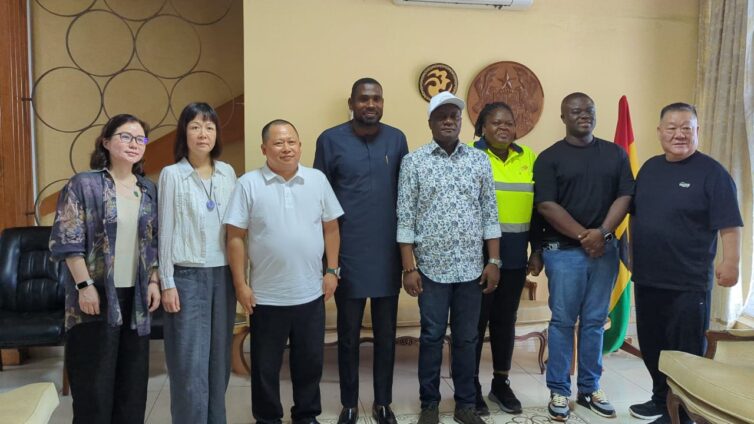
The Sankofa Gold Mine in Ghana’s Western Region is entering a new phase of restructuring and investor-driven expansion, with management projecting improved output, operational stability, and a shift into rock mining as part of a broader strategic reset backed by new partners.
The Managing Director of Sankofa Gold Mine, Alhaji Ishaq Dauda, says the company is undergoing significant operational transformation supported by renewed access to raw materials, equipment supply, and financial stability measures that have kept workers on payroll despite a prolonged production halt.
According to him, the mine has been undergoing what he described as a “resettling” process, with major restructuring underway to reposition operations.
“Ever since I came, you could see that Sankofa is taking a lot of… it’s been resettled,” he said, adding that the company is also investing in new infrastructure, including the construction of a large dam to support future mining operations.
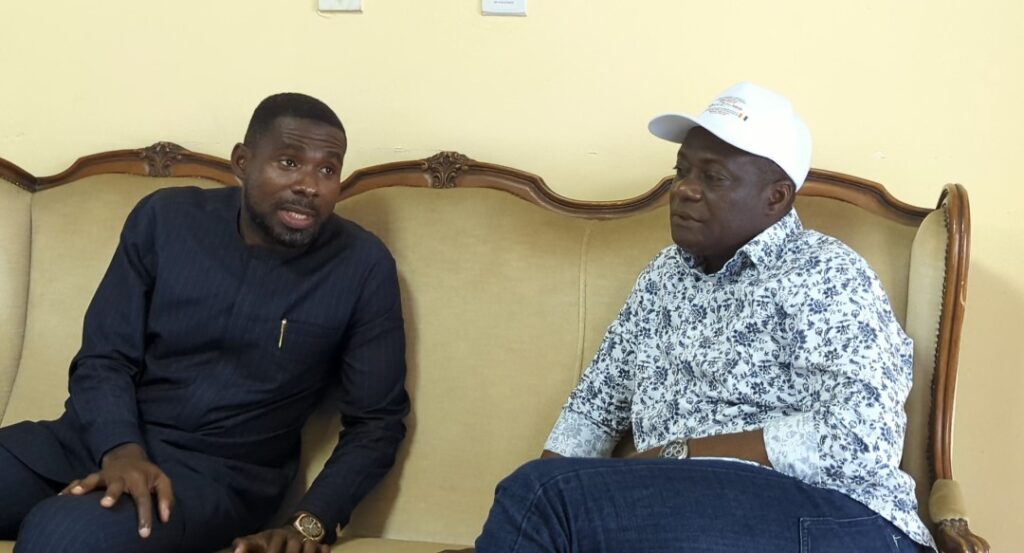
He further disclosed that despite production challenges lasting about five months, workers have continued to receive salaries a move he said reflects the company’s commitment to labour stability during the transition period.
“We have not done production, but they are being paid. They are very okay and comfortable,” he noted.
The company is now preparing to expand into rock mining, a shift expected to require additional heavy equipment and a redesign of operational systems to support hard-rock extraction.
“We are hoping to even redesign the systems that we have because our major focus is to add rock mining,” he added.
The developments come amid growing expectations in the Western Region that fresh investment partnerships will reposition Sankofa Gold Mine as a more productive asset within Ghana’s gold mining value chain.
The Western Regional Minister Joseph Nelson described the new phase of investment as a major boost for both the region and the national economy, expressing optimism that the partnership would strengthen operational sustainability and expand benefits to host communities.
He noted that sustained investor engagement is critical to ensuring that mining facilities move beyond survival mode into long-term profitability.
“This partnership… is going to catapult the company to certain new heights that will bring dividends to the local economy, the region, and of course the nation,” he said.
He added that government expects long-term collaboration that prioritises mutual benefit between investors, the company, and local communities.
At the community level, Nana Nteboah Prah IV, Chief of Prestea Hemang, acknowledged longstanding concerns about limited community presence and benefits from mining operations in the area.
He expressed hope that the new investor, identified as Guangzhou Hozdo Group, would take a more community-centred approach, particularly in employment and local development.
He emphasised that community members expect stronger participation in the mine’s value chain, especially as operations transition into rock mining a segment typically associated with higher labour demand and expanded contractor opportunities.
Sankofa Gold Mine operates within a broader wave of restructuring across Ghana’s gold mining sector, particularly in the Western Region, where several previously underperforming assets are being revived through new financing arrangements and strategic partnerships.
Industry data shows that Ghana continues to attract renewed mining investment, especially in brownfield assets with existing concessions but limited production history due to capital constraints.
Recent sector developments, including the revival of nearby Western Region gold assets under new ownership structures, reflect growing investor appetite for restarting dormant or underutilised mines, supported by commodity stability and government efforts to deepen local participation in mining operations.
This
With production expected to resume under a redesigned operational model, Sankofa Gold Mine’s success will likely depend on how effectively it integrates new investment, modernised equipment, and community expectations into a single sustainable framework.
For stakeholders in the Western Region, the project represents both an economic opportunity and a test of whether Ghana’s mining revival agenda can translate into long-term, inclusive development
Latest Stories
-
Opoku Mensah urges Christian Council, House of Chiefs to speak up on democratic freedoms
11 minutes -
Teacher unions’ strike: Minority demands immediate payment of teacher arrears, 20% deprived area allowance
18 minutes -
The Accra-Kumasi Expressway: Building it right
27 minutes -
Beyond gold exports: Building value and economic resilience from Ghana’s gold
34 minutes -
2027 AFCONQ: Ghana under pressure as Gambia beat Somalia 2-1
47 minutes -
Eastern NPP Women’s Organiser calls on AG, Police to secure bail for Salomey Baffoe
50 minutes -
Poverty, illiteracy driving acceptance of vote-buying among women – Damongo Queen Mother
1 hour -
Photos: Democracy Is Not For Sale forum in Savannah region
2 hours -
GNFS launches 2026/27 National Anti-Bushfire campaign in Atebubu, records 62.8% reduction in bushfire cases
2 hours -
I’ll vote for a female president; women are less likely to steal from the state – Okyeame Kwame
2 hours -
More public education needed to stop vote-buying – Savannah Region MP
2 hours -
Absa Bank commissions new head office, commits to strengthening operations in Ghana
2 hours -
Republic Bank-JoyNews Habitat Fair clinic: Day 1 ends on positive note as patrons explore housing solutions at Junction Mall
2 hours -
Vanderpuye: NDC welfare system needed to support former officials, cadres
2 hours -
Chamber of Mines extends support to Akropong, Mampong Special Schools
2 hours