

Audio By Carbonatix
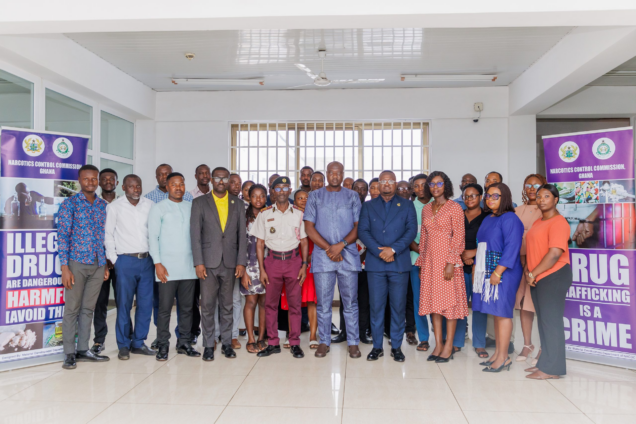
The Narcotics Control Commission (NACOC), in collaboration with the Research and Consultancy Centre (RCC) of the University of Professional Studies, Accra (UPSA), has organised a training programme for enumerators and supervisors ahead of a baseline study on substance use among young people in the La Nkwantanang-Madina Municipality of the Greater Accra Region.
The study targets young people aged 15 to 35 and is aimed at generating reliable data to guide prevention, referral, and rehabilitation interventions. It is also expected to provide key insights into the prevalence and patterns of substance use within the municipality.
Speaking at the training session, which brought together more than 30 enumerators and six supervisors ahead of a three-day field data collection exercise, the Director of Research and Policy Planning at NACOC, PNCO Sylvester Koomson, said the Commission places high importance on the exercise.
He noted that the study forms part of wider national efforts to prevent substance abuse and strengthen evidence-based interventions.
PNCO Koomson also commended the UPSA Research and Consultancy Centre for the partnership, saying it reflects a shared commitment to addressing substance abuse through research, public education, and informed policymaking.
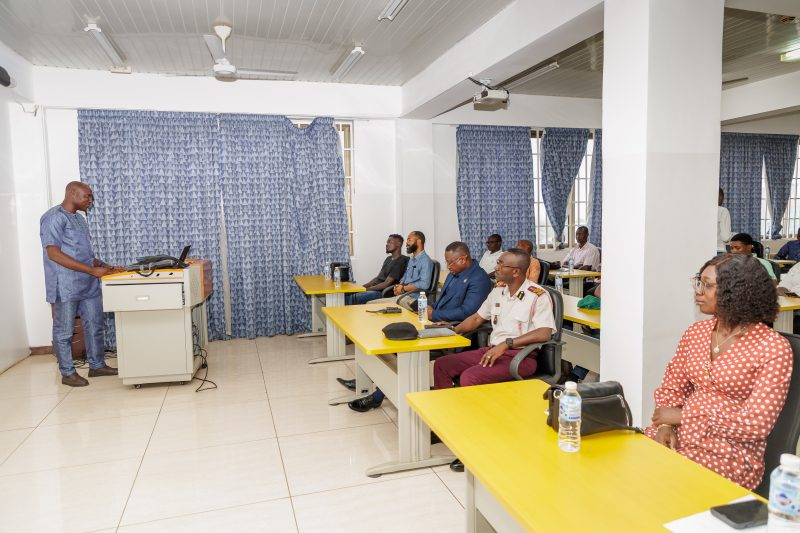
He added that the training marks an important step in NACOC’s ongoing efforts to tackle youth substance abuse using data-driven approaches.
On his part, Dr Siddique Abdul-Samad of the UPSA Research and Consultancy Centre stressed the importance of the exercise and the critical role of enumerators in ensuring the credibility of the study.
He urged participants to administer the survey tools professionally, follow field protocols strictly, and submit regular progress updates throughout the data collection period.
Dr Abdul-Samad further encouraged trainees to approach the assignment with diligence, integrity, and a strong sense of responsibility, noting that the quality of data collected will be key to the usefulness of the final findings.
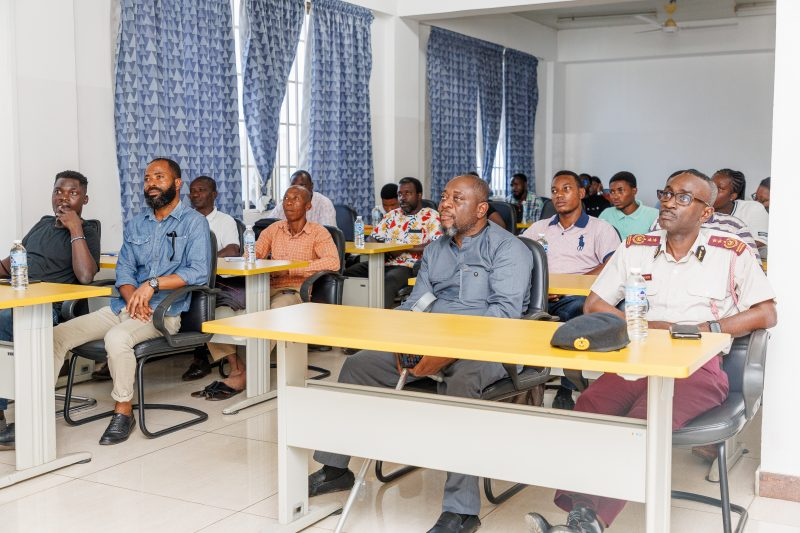
Participants were also trained in the use of digital data collection tools, including KoboToolbox, and taken through the study questionnaire to ensure consistency, accuracy, and reliability during fieldwork.
The baseline study will cover five areas: Madina, Teiman, Oyarifa, West Adentan, and Pantang. It will collect data on substances including alcohol, tobacco, shisha, marijuana, tramadol, codeine, cocaine, heroin, and inhalants.
Findings from the study are expected to inform programme design and strengthen interventions in substance abuse prevention, treatment, referral, and rehabilitation among young people.
Latest Stories
-
Crowds, deals and home solutions as Republic Bank-JoyNews Habitat Fair enters final day
3 hours -
Fire Service finds only five functional hydrants in Ministries enclave
3 hours -
Government to sign 1,200MW gas power deal before end of 2026 – Mahama
3 hours -
West Mamprusi launches community-led WASH and livelihoods project across 100 communities
3 hours -
Iran says it will wait for official US response after Trump rejects Strait of Hormuz proposal
3 hours -
90 Oti communities to benefit from government electrification project
3 hours -
Floods leave 246 without shelter as 93 houses collapse in North East Gonja
3 hours -
Labour Minister wants SOEs to help shape new public pay system
8 hours -
IPEC will ensure Equity and Sustainability in SOEs Compensation
9 hours -
White House bars CNN from travelling with Trump on Air Force One
9 hours -
Fennis wins second consecutive ITF J60 title in Accra
9 hours -
Spain beat England in thriller after Kane penalty miss
10 hours -
GPL 2026/27: Zaidan’s late goal ends Hearts of Oak unbeaten start
10 hours -
CEOs demand clarity on pay harmonisation, board autonomy as FWSC engages SOEs bosses over IPEC transition
10 hours -
2026 Women’s Super Cup: FC Savannah, Epiphany Warriors maintain top spots ahead of final group games
10 hours