

Audio By Carbonatix
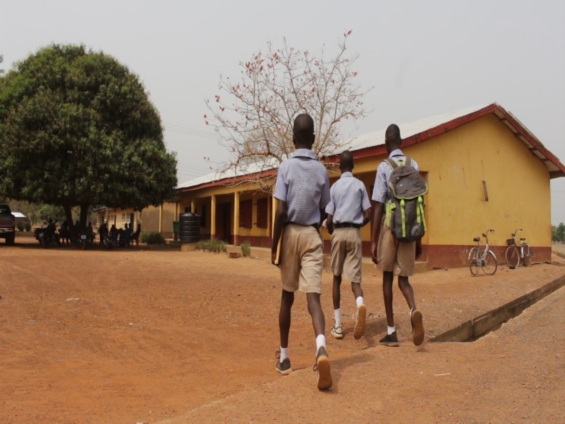
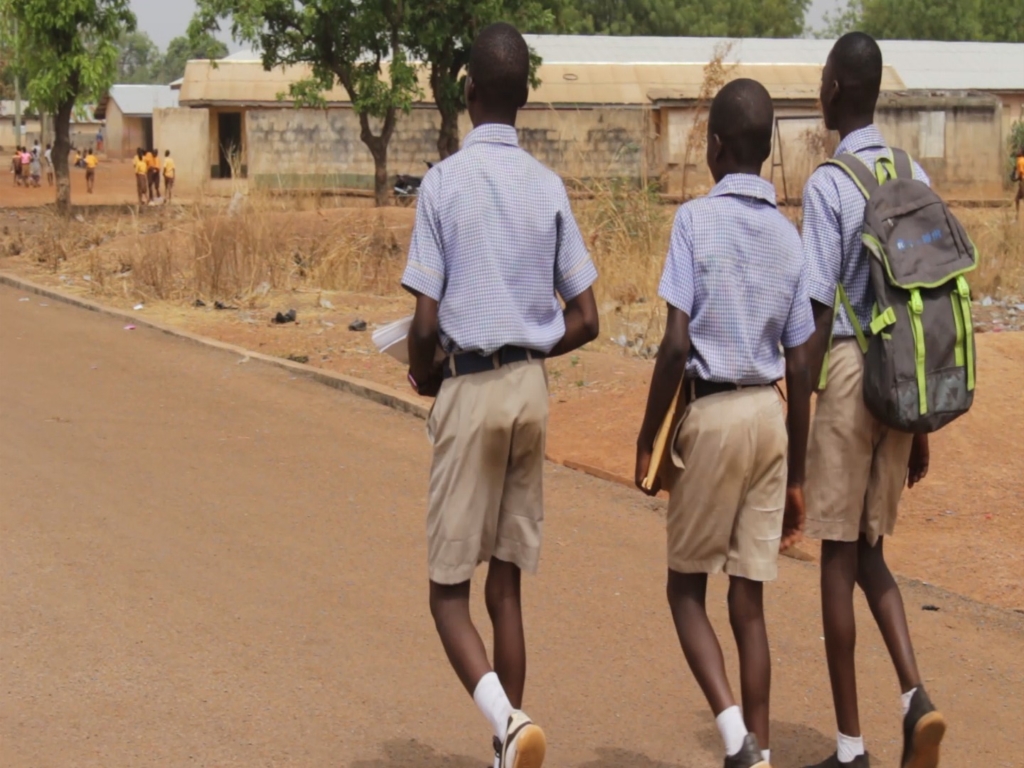
Many communities in the Northern Region still have children who walk long distances to access education.
In the Nanumba North District, accessing Junior High School education in communities such as Kubuabu, Namani, Manchuni, Jeji, Na Sungdo, and Tigbando, among others, comes at a price.
Many of these communities lack upper primary schools, forcing children to walk several kilometres to continue their education.
JoyNews visited Kubuabu, where Grundoow Godwin treks 14 kilometres each day to and from school.
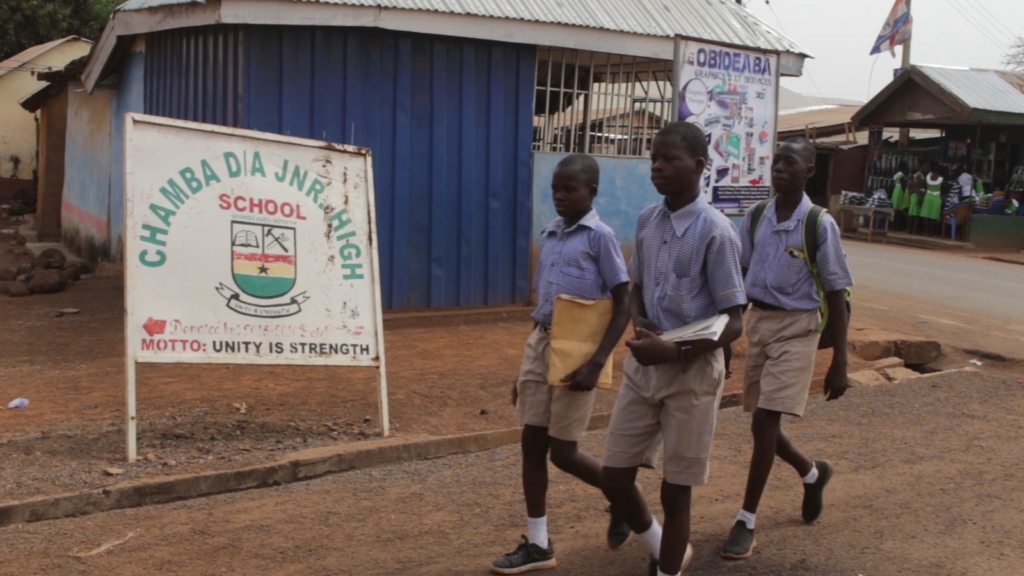
For these children, it is a daily struggle to sometimes navigate through the lonely bushes just to get to school.
"The journey to my school in Chamba is very far, but I have to travel every day," Gordon said.
Gordon's daily struggle mirrors the lives of many other children who walk between 7 to 12 kilometres each day.
The Junior High School student knows that education is his ticket to a better life. He is determined to succeed, no matter the distance.
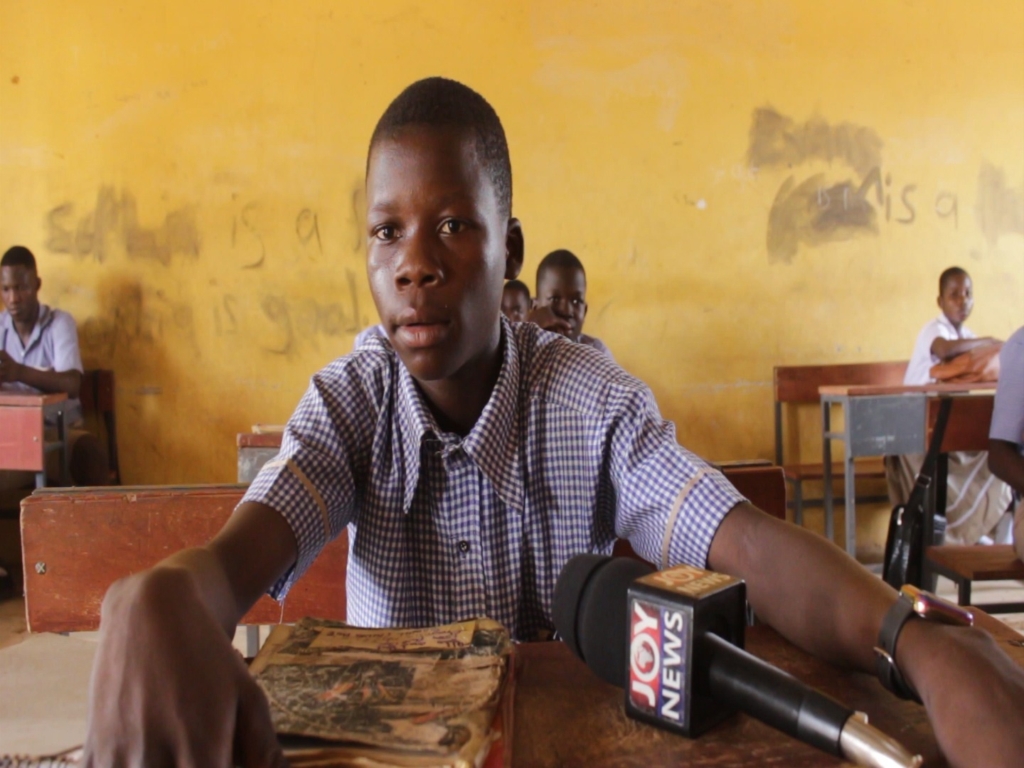
"I join my other mates who also travel long distances so that we keep each other company. That way, we are able to go every day," he said.
Back at Gordon's home, his mother, Makpa, puts in every effort to get him to school because she sees him as her key investment in securing a better future for their family.
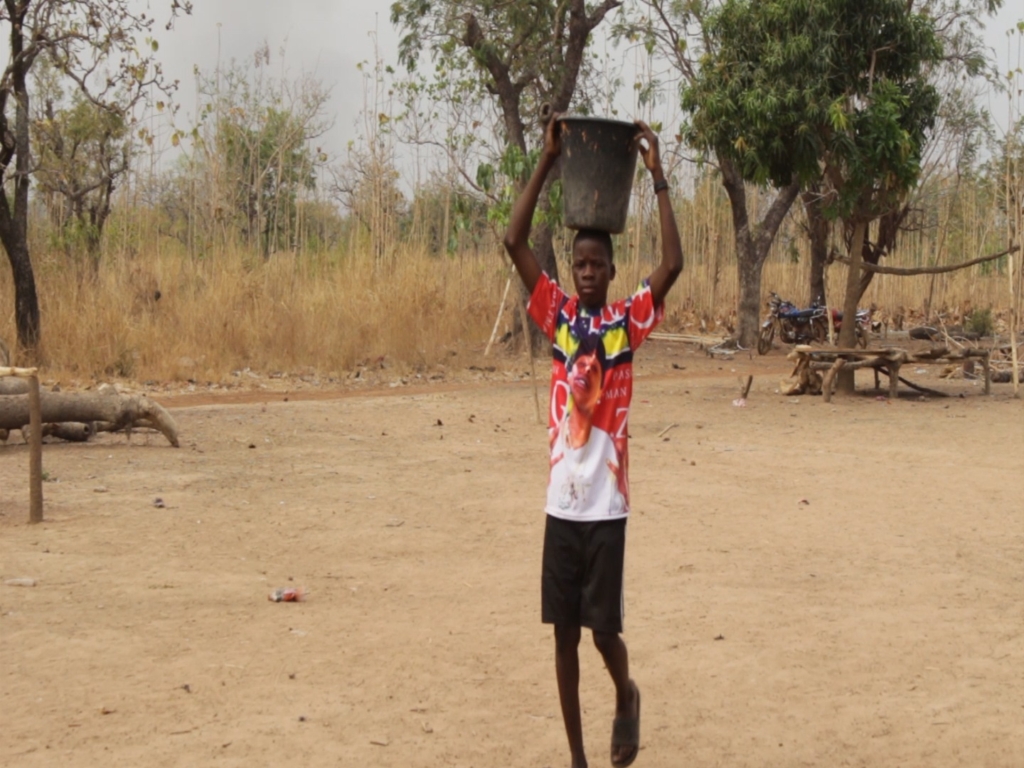
"Godwin is my son, and I want him to go to school and become a great person in the future. He helps me fetch water to cook for the family before walking to Chamba for his education. I dream of him becoming a professional doctor so he can help me take care of his siblings. His father is no longer with us, and I’m struggling to provide for them. I don’t want all my suffering to be in vain.
"I cultivate yam, okra, pepper, maize, and groundnuts. When I harvest, I set aside portions of the produce to meet Godwin’s needs, such as sandals, clothes, pens, and books. I also ensure he has food to take with him to school," she said.
Gordon's teacher, Norbert Yelim, expressed concern about the distance Gordon commutes to school, adding that it is affecting his academic performance.
"My last observation, when I followed up to Gordon's community, revealed that it is 7 kilometres from his home to the school. Gordon often arrives 30 minutes to an hour late, and this is affecting his education," Mr Yelim said.
The Ghana Education Service representative, Samuel Kwaku Kwayaba, acknowledged that children walking long distances to school remains a concern for the service.
He stated that this challenge has led many children to drop out or perform poorly due to the daily struggle.
Latest Stories
-
Anti-LGBTQ Bill: Forget the rumour mongers, I’m a man of action, and will pass the bill – Speaker
44 minutes -
Women and children among those killed in Sudanese army shelling of wedding celebration
48 minutes -
President Mahama is not sincere with Ghanaians on LGBTQ bill matter – Hassan Tampuli
1 hour -
Gov’t to establish Prison Industrial Hub to equip inmates with income-generating skills – Prison Service boss
1 hour -
Alhassan Tampuli donates cement, roofing sheets to support storm victims in Gushegu
1 hour -
Alhassan Tampuli appeals for urgent support for storm victims in Gushegu
1 hour -
The hypocrisy must stop; pass Anti-LGBTQ+ Bill now – Alhassan Tampuli to Mahama
2 hours -
Imprisonment should be rehabilitative, not punitive – Ghana Prisons boss at UNGA
2 hours -
Ga Adangbe traditional priests petition Mahama over McDan aviation licence revocation
2 hours -
Anti-LGBTQ Bill: NDC’s arrogance is worrying – Hassan Tampuli
2 hours -
Let’s give OSP time to mature, not to scrap it – Hassan Tampuli
2 hours -
Nigeria convicts 386 Islamist militants in mass trials
2 hours -
Djibouti president wins election with 97.8% of vote, state media says
2 hours -
We don’t have mandate to deduct tax from rent allowance of security services personnel – Interior Ministry clarifies
3 hours -
Ablakwa receives Presidential Special Envoy on Reparations to advance global agenda
3 hours