

Audio By Carbonatix
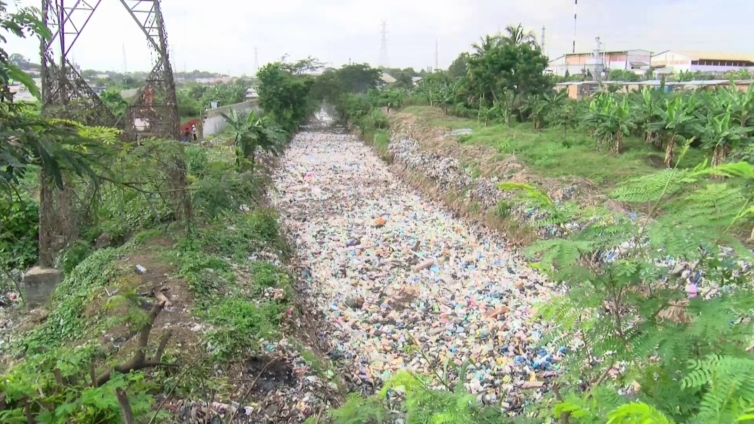
The Subin River, once a vital water source flowing through Kumasi, now gasps beneath mountains of filth and plastic waste.
What should be a life-giving stream has become a stagnant, choking drain of decay, a festering reminder of a city drowning in its own waste.
The sanitation crisis is threatening both the city’s pride as the Garden City and its people’s health.
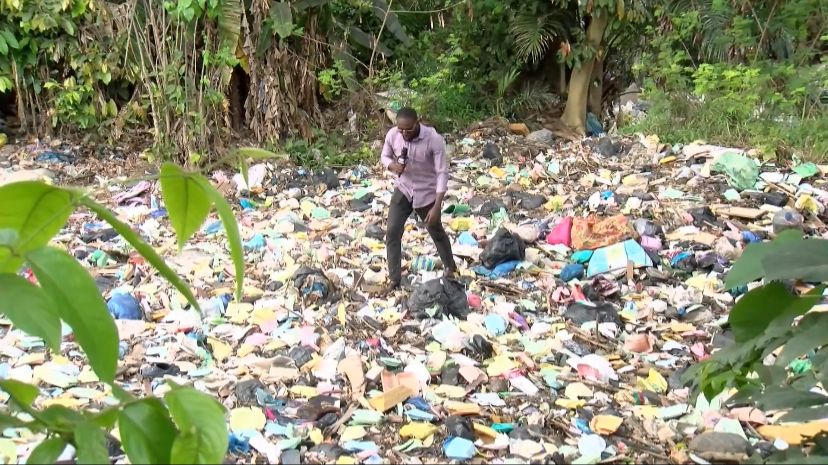
Traversing the Asokwa overpass to the Ahodwo roundabout in Kumasi, a sight never missed is the pile of garbage resting in and along the Subin River.
In this massive heap of refuse is a mixture of plastics, organic waste, electronic gadgets and other solid wastes.
The Subin River, a major water resource running through the Asokwa municipality from the Kejetia market square.
Residents have termed the river now as “the river of rubbish”.
One would have expected a clear water flowing through the drain, but the culvert under the bridge on the river have been choked by the piles of plastic waste.

The stench at the scene is unbearable.
The rubbish stagnated in the weeds and the choked drains now serve as breeding grounds for various infectious diseases.
For residents and traders near to this unpleasant scene, they must live with the perennial sanitation crisis.
“The rubbish is from the Abinkyi market. Sometime ago, the owner of a construction factory here cleared the river but today they are still back,” one of the residents noted.
Plastic pollution remains a major challenge, degrading the beauty of a city touting itself as the Garden City of West Africa.
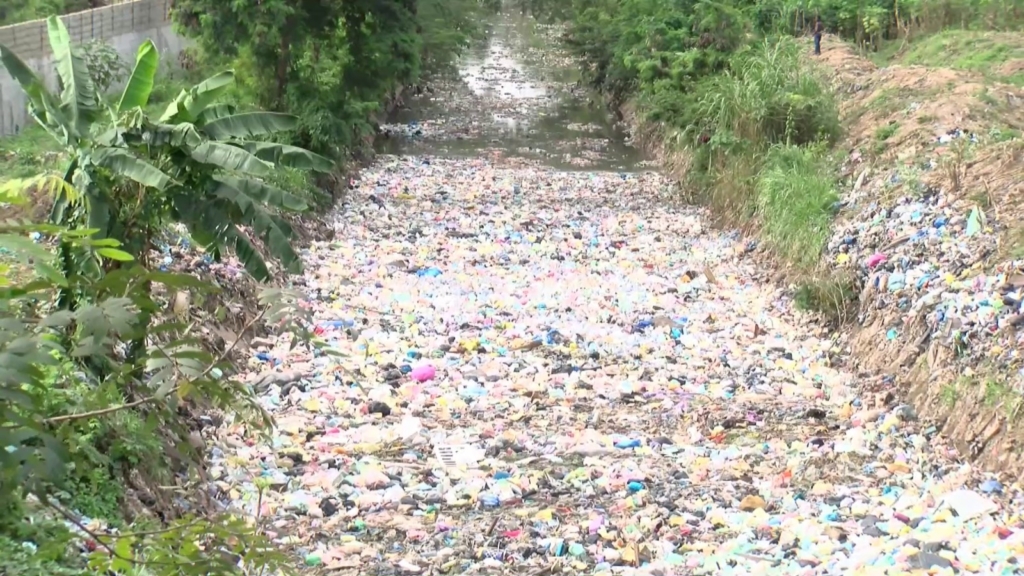
The pollution driven by increased urbanization and consumption, with vast amounts of plastic waste overwhelming waste management systems.
The Kumasi metropolis produces at least 1,500 tonnes of solid waste daily, with plastic waste accounting for about 54 tonnes (3.52%) of this total.
“This is an industrial area, and you’d surely find a recycling plant here. They can use these as their raw materials for recycling them for other products,” Joshua, a regular user of the road, said.
Local government authorities are worried the indiscriminate waste disposal habits in the city cut budgetary spending intended for other critical infrastructure.
“It will take at least 20 trips to clear the entire plastic waste on the river. We must re-channel funds meant for critical infrastructural development to desilt the waterways. This is heavily affecting our budgets,” Kumasi mayor, Richard Ofori Agyeman Boadi noted.
Not only is the unpleasant situation a sanitation crisis but a ticking time bombing for a major disaster after the rains.
Latest Stories
-
Mahama reprimanded Baba Jamal – NDC says code of conduct is already working
1 hour -
Description of conduct as ‘inappropriate’ is based on NDC’s constitution – Gbande on vote-buying claims
1 hour -
NDC can only reprimand, not prosecute – Gbande explains limits of party sanctions
2 hours -
Even talking about it is progress – NDC’s Gbande defends probe into vote-buying claims
2 hours -
PM asks Sir Jim Ratcliffe to apologise for saying UK ‘colonised by immigrants’
5 hours -
16 hours of daily use is ‘problematic,’ not addiction – Instagram boss
5 hours -
US House votes to overturn Trump’s tariffs on Canada
5 hours -
Dad unlawfully killed daughter in Texas shooting, coroner rules
5 hours -
Anas wins 7 – 0 as SC unanimously rejects attempts to reverse judgment in his favour
6 hours -
Trump tells Netanyahu Iran nuclear talks must continue
6 hours -
The cocoa conundrum: Why Ghana’s farmers are poor despite making the world’s best chocolate
7 hours -
Powerful cyclone kills at least 31 as it tears through Madagascar port
7 hours -
GoldBod summons 6 gold service providers over compliance exercise
8 hours -
Power disruption expected in parts of Accra West as ECG conducts maintenance
8 hours -
Police investigate alleged arson attack at Alpha Hour Church
8 hours