

Audio By Carbonatix
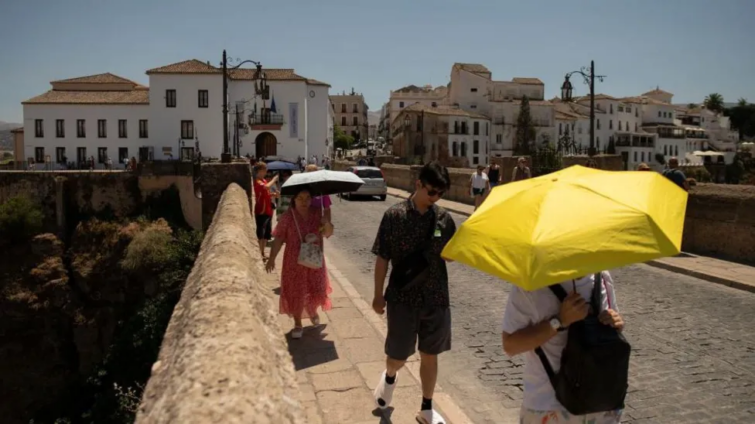
Summer 2024 was the Earth's warmest on record, according to the Copernicus Climate Change Service.
It was also the warmest across Europe at 1.54C above the 1991-2020 long-term average, exceeding the previous record from 2022.
August was also the 13th month in a 14-month period where the global average temperature exceeded 1.5C above pre-industrial levels.
Despite the UK having its coolest summer since 2015, much of Europe experienced a hotter-than-average summer.
Temperatures continue to rise
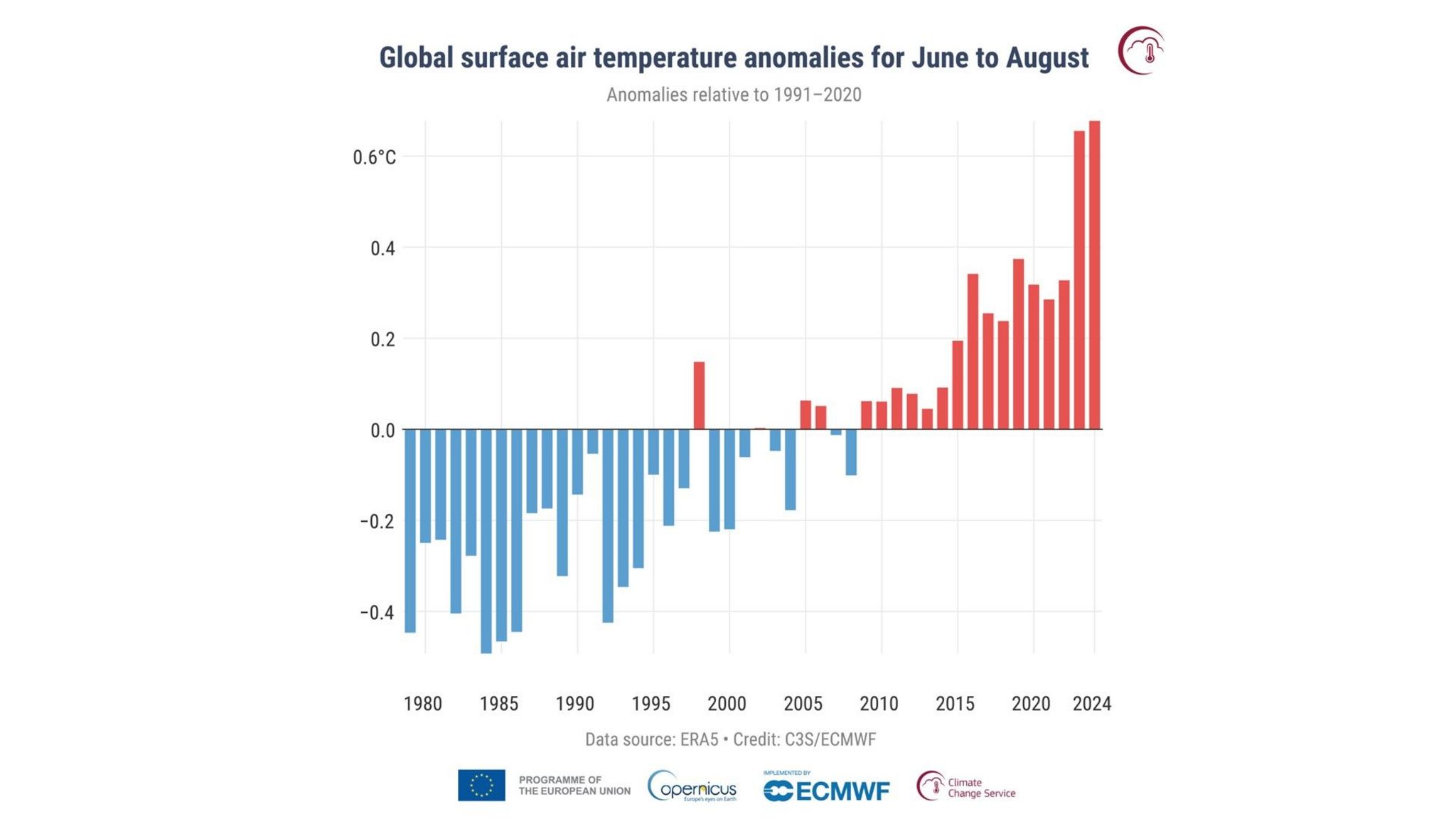
So far this year the global average temperature has been 0.7C above the 1991-2020 average, which is the highest on record.
It is therefore increasingly likely that 2024 will be the warmest year on record globally, according to Copernicus, external, the EU's climate service.
It was only last year when global average temperatures reached a record high.
Throughout the world, we have seen heatwaves and extreme weather having impacts.
Copernicus deputy director Samantha Burgess said: "Temperature-related extreme events witnessed this summer will only become more intense".
Across Europe, temperature records have been broken over the summer. Austria had their warmest on record.
Spain had its warmest August on record, Finland its joint warmest and Switzerland's second warmest.
While the heat across Europe was focused to southern and eastern areas, it was cooler across the Republic of Ireland, the UK, western parts of Portugal, Iceland and southern Norway.
End of El Niño warming
While human activities have been the most significant cause of global temperature rise, the record heat in 2023 and into 2024 has been boosted by the natural climate pattern of El Niño.
El Niño - a natural warming of sea surface temperatures in the eastern Pacific - was observed from June 2023 to May 2024.
During this time, higher sea surface temperatures added more heat to the atmosphere.
While it has now ended, its part in boosting global temperature will influence 2024 overall.
Scientists at the Australian Bureau of Meteorology believe the Pacific will enter the cooler phase of La Niña in the coming months.
Latest Stories
-
Ghana Medical Trust Fund Administrator urges hope and compassion in Easter message
12 seconds -
Traders, Freight forwarders push back against planned cargo tracking policy
2 minutes -
BoG Governor highlights tough trade-offs in monetary policy decisions
4 minutes -
Trade Ministry intervenes to stop sachet water price increase, talks set for Wednesday
10 minutes -
Onion supply to Ghana threatened as trucks held up in transit dispute
17 minutes -
President Mahama to attend One Health Summit in France, hold bilateral talks with Macron
54 minutes -
Mahama endorses ADB at Kwahu Business Summit
2 hours -
Every gram will be tracked – Gold Board unveils traceability push to deal with illegally-mined gold
2 hours -
Analysis: Why the Bank of Ghana sold half its gold reserves
2 hours -
Buy wrong gold, face prosecution – Gold Board CEO cracks down on rogue dealers
3 hours -
Africa pushes integrated health agenda ahead of One Health Summit in Lyon
3 hours -
We own the strategy, its not head office decision – GCB MD positions bank as engine of Ghana’s economy
3 hours -
No more waiting for head office – GCB boss pushes Ghana-first banking
4 hours -
Mahama lauds Julius Debrah for shaping Kwahu Business Forum
4 hours -
Why actors beg in difficulty – Patience Ozokwor on Nollywood financial struggles
4 hours