

Audio By Carbonatix
Talithakum Ghana Network, a branch of the international Catholic network fighting modern slavery, has raised alarm over what it says is the persisting human trafficking canker in Ghana.
It says human trafficking continues to flourish in Ghana’s rural and urban communities, fueled by poverty, systemic neglect, and a "culture of silence”.
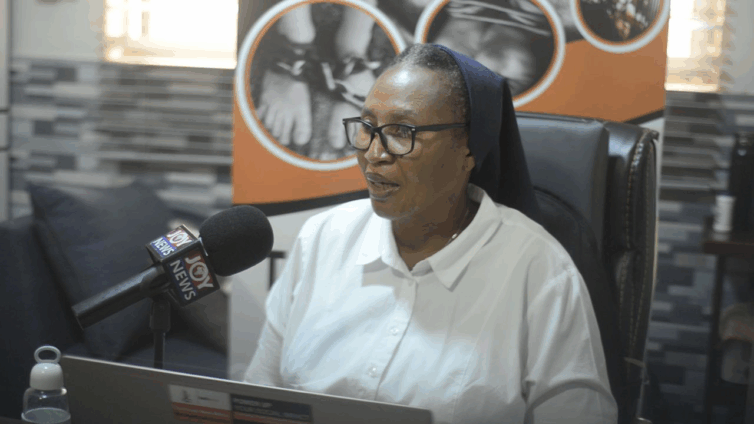
At a recent awareness campaign in observance of the International Day Against Human Trafficking, the Network's national coordinator, Reverend Sister Oliviah Umoh, offered a sobering account of the depth and complexity of the issue.
“Until I took up this position, I didn’t realise how widespread it is. “It’s not just in remote areas. It’s in Accra, it’s in Tamale. It’s in homes, it’s in guesthouses, and it’s happening right under our noses,” she said.
Talithakum, comprising Catholic priests and nuns from various congregations, seeks to harness the global reach of religious communities to combat human trafficking.
The network in Ghana plays a vital role in identifying, rescuing, and advocating for victims, many of whom are young women trafficked for forced sex work or labor.
Reverend Sister Umoh described a troubling trend, that despite rising awareness, many families knowingly allow or even support their daughters to be trafficked, often under the false promise of work opportunities abroad.
The problem, she added, is systemic. Police officers, landlords, and community leaders sometimes rent out facilities to traffickers or ignore clear signs of exploitation.
Parents are failing. A mother will hear rumors that her daughter is being taken abroad for prostitution and still encourage her to go because of poverty.
“There are guesthouses, homes, and hotels where trafficked girls are kept and forced into prostitution. People know and say nothing. Even law enforcement is sometimes complicit,” she said.
July’s International Day Against Human Trafficking serves as an annual rallying point for Talithakum and its partners to raise awareness, build collaborations, and call for policy reforms.
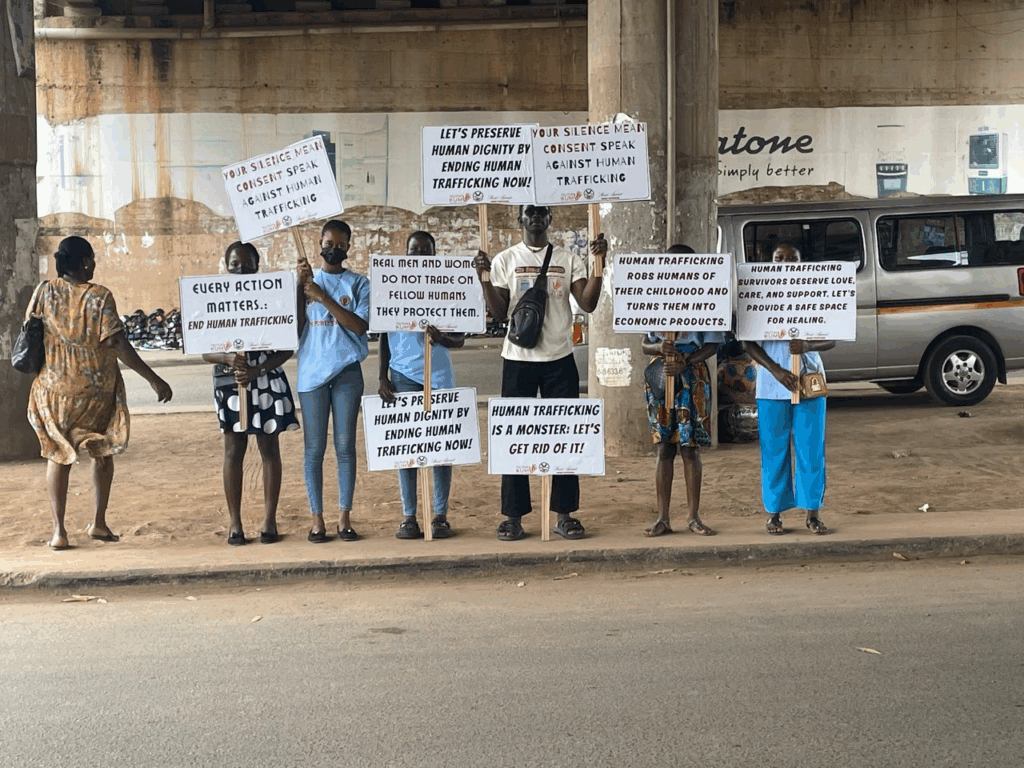
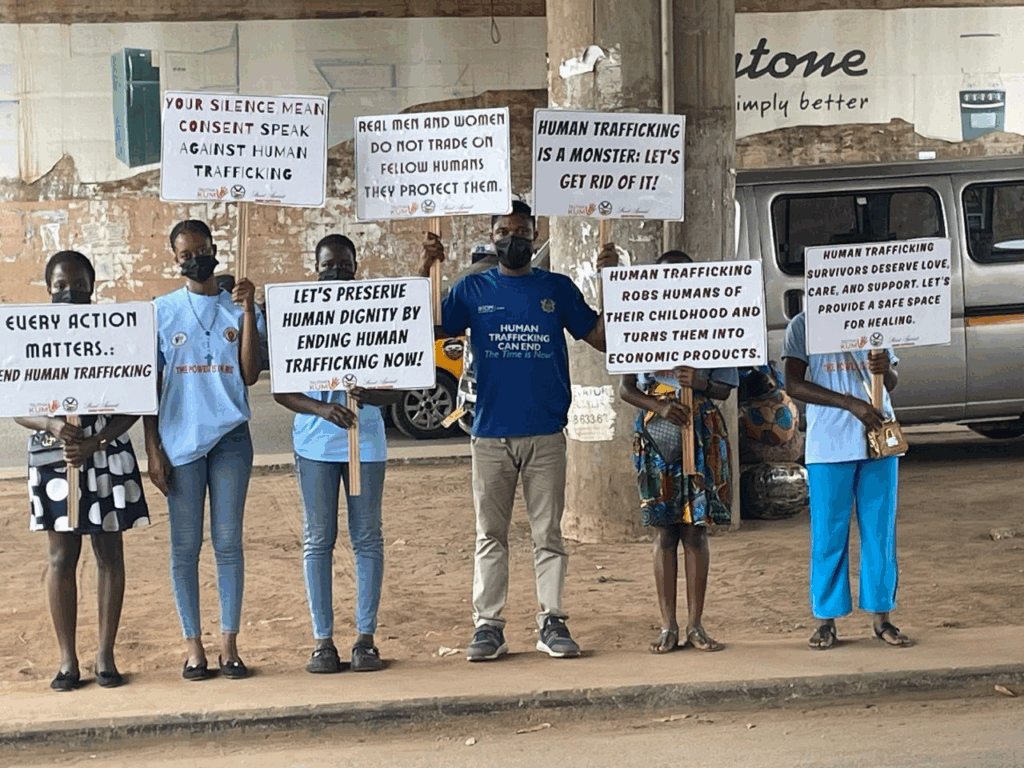
Talithakum Ghana Network stormed the streets with placards with strong wording to send messages of advocacy and action.
Yet Sister Umoh stressed that one day of action is not enough and concluded with a stark warning.
“Human trafficking happens every hour. We need everyone, including governments, churches, civil society, and individuals, to take up this fight every day.
“As a country, we are all failing, from the state, to families, to society. If we do not mobilize, human beings will continue to be sold like commodities, and the traffickers will continue to win,” she said.
Latest Stories
-
GPL 2025/26: Late Kwartemaa strike downs Hearts in Tema
17 seconds -
Ghana Faces Sierra Leone Moment as Prosecutorial Powers come under strain
10 minutes -
Don’t consume fish or seafood from Tema Shipyard until further notice – FDA warns
15 minutes -
Why volunteering might be Africa’s most underrated career accelerator
21 minutes -
ActionAid Ghana raises concern over gender gaps in Feed Ghana Programme
23 minutes -
Windstorm wreaks havoc in Gushegu, displacing nearly 2,000 residents and damaging schools
26 minutes -
Friends of Bridget Bonnie Marks her 35th birthday with donation to Kasseh Model Health Centre
1 hour -
From Ekumfi Kokodo to the Pulpit Stage: Essi Donkor’s gospel journey takes shape
1 hour -
Landfilling waste management creates no value, it’s an economic waste
2 hours -
Photos: Speaker Bagbin Commissions MPs constituency office under parliamentary decentralisation programme
2 hours -
Black Stars technical advisor Winfried Schäfer sacked as GFA shakes up backroom staff
2 hours -
Wenchi water project almost complete, critical to gov’t agenda – GWL MD
2 hours -
Anti-LGBTQ+ bill not part of government’s legislative agenda – Inusah Fuseini
2 hours -
Anti-LGBTQ Bill: Forget the rumour mongers, I’m a man of action, and will pass the bill – Speaker
3 hours -
Women and children among those killed in Sudanese army shelling of wedding celebration
3 hours