

Audio By Carbonatix
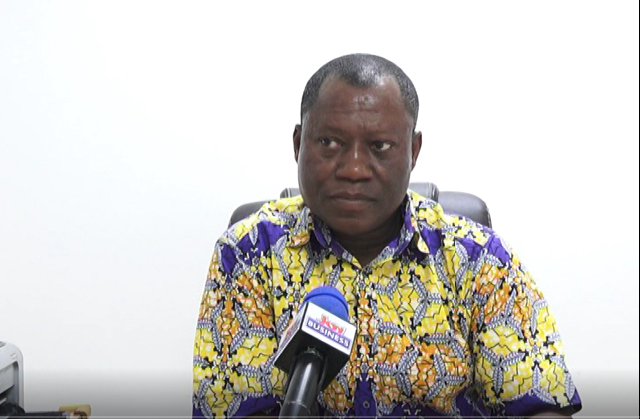
The General Secretary of the Ghana Food and Beverages Association of Ghana (FABAG), Samuel Aggrey, has raised alarm over the increasingly dire economic situation in Ghana.
Speaking on JoyNews’ PM Express, Mr Aggrey highlighted the exodus of multinational companies due to the unfavorable taxation policies and economic conditions prevailing in the country.
He underscored the need to address these issues to prevent a further economic downturn.
“The situation is getting dire. If you look at companies and service providers like Glovo, Jumia, Game, and others contemplating the possibility of leaving because of the economic situation we have.
“If you look at the taxation policy that we have in this country, it is actually not helping some of these businesses who have come in and invested so much,” he said on Thursday.
In recent years, Ghana has faced significant economic challenges characterised by high inflation rates, fiscal deficits, and currency depreciation. Also, the country has grappled with structural issues such as high public debt levels, limited diversification of the economy, and inefficiencies in public sector management. These factors have contributed to a lack of investor confidence, hindering foreign direct investment and economic development.
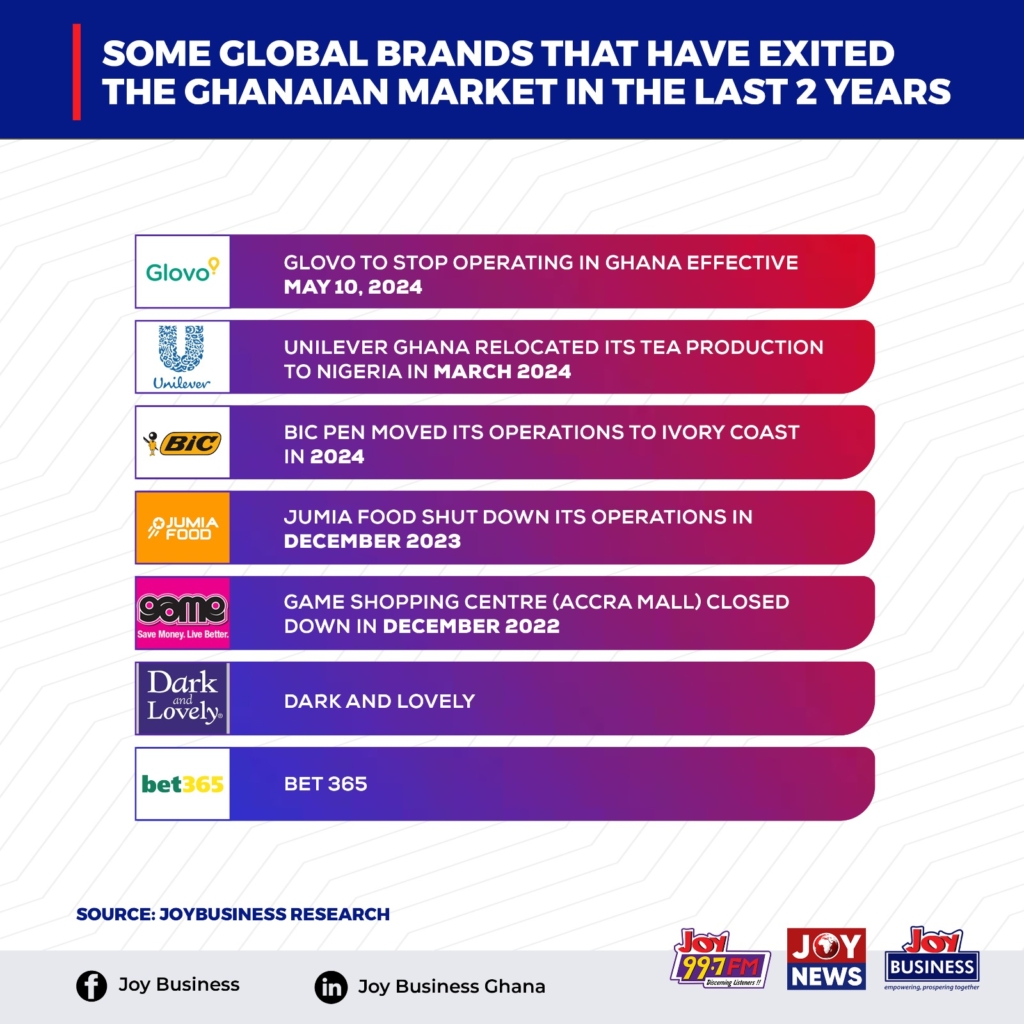
Therefore, Mr Aggrey is concerned about the increasing departure of international companies.
He highlighted the irony of Ghana's self-proclaimed status as the gateway to Africa juxtaposed with the harsh realities faced by investors on the ground.
Despite the government's efforts to attract foreign investment, he noted that the current economic climate is deterring rather than encouraging multinational companies to establish and maintain operations in the country.
“We tout ourselves as the gateway to Africa and encourage investors to come to Africa, particularly Ghana, to do business. But when you come in and you invest, you realise that it is a different ball game altogether."
He therefore stressed the importance of re-evaluating existing policies to make Ghana a more attractive destination for multinational corporations.
He urged policymakers to consider the impact of taxation policies on the economy and the sustainability of foreign investments in the country.
Latest Stories
-
At least 30 feared dead in crush at Haitian tourist site
53 minutes -
Four arrested over murder of Scottish businessman in Kenya
1 hour -
New Mainoo deal closer, says Man Utd boss Carrick
1 hour -
Sinner beats Alcaraz to return to world top spot
1 hour -
An inappropriate joke nearly ended his career. Now he’s back with more humour
2 hours -
GPL 2025/26: Dreams FC stage stunning comeback to hammer Eleven Wonders
3 hours -
Livestream: The Probe examines Kumasi’s looming water crisis
3 hours -
MTN Ghana gears up to lead Africa’s AI revolution
3 hours -
Philanthropist Alhaji FuZak donates Da’wah bus to Ambariya Sunni community
3 hours -
GUTA calls for suspension of Publican AI system over trade disruptions
3 hours -
TTAG raises alarm over proposed recruitment of 7,000 teachers, demands national posting roadmap
4 hours -
Civilians feared killed after reports of air strike on Nigerian market
4 hours -
Bishop Simon Kofi Appiah installed as new Jasikan Diocese Bishop
4 hours -
Trump’s Strait of Hormuz blockade threat raises risks and leaves predicaments unchanged
4 hours -
US Court backs extradition of former MASLOC CEO Sedina Tamakloe-Attionu to Ghana
4 hours