

Audio By Carbonatix
As business activities commence in full force in 2026, the African Continental Free Trade Area (AfCFTA) is no longer a far-off policy dream; it is a part of everyday life for businesses in Ghana. Now, a small skincare company in Suhum can realistically look at a shelf in a high-end mall in Nairobi or a pharmacy in Cairo without the heavy burden of traditional trade barriers.
This new frontier has brought a nagging problem to the doorsteps of Small and Medium-Sized Enterprises (SMEs) in Ghana. In a market of 1.3 billion people, do you stay “resolutely Ghanaian” or “neutralise” your brand to fit in with the rest of the continent?
The Danger of Being Neutral
Many local exporters are unsure whether to “scrub” their branding by removing Kente patterns, Adinkra symbols, and Twi-inspired names in favour of a sleek, generic “Global-African” look. They fear that being “too Ghanaian” might put off customers in Lagos or Casablanca. But this is a strategic trap. In a fiercely competitive continental market, staying neutral is the quickest way to become invisible.
When you try to beat big companies by lowering prices or offering lower quality, you're fighting a losing battle. Ghanaian brands need to embrace their “Ghanaiantude” as a premium value proposition, not just a pretty decoration.
The Moat of Cultural Heritage
Take a look at how brands like Chocho Industries and the Alata Samina (Black Soap) cooperatives have done. These aren't just things you can buy; they're bottled history. “Ghanaian-made” means something special to people in Kenya or Egypt. “Made in Ghana” is increasingly associated with organic integrity, herbal mastery, and cultural authenticity, just as “Swiss-made” conveys precision and “Italian-made” conveys style.
Your ingredients can be copied by a Nigerian competitor, but your story cannot. Local small and medium-sized businesses (SMEs) can market their products as “premium heritage” goods rather than “mass-market” goods by leveraging traditional Ghanaian knowledge, such as the specific way shea butter is made in the North or the herbal knowledge of the Eastern Region.
Brand Nationalism vs. Pan-African Interest
“Rooted Pan-Africanism” is what I think will make 2026 work. It is the right mix of Brand Nationalism (pride in where you come from) and Pan-African Appeal (being open to others). Consider it from this perspective: Your product should have a “Proudly Ghanaian” soul but offer “Continental” service. This means you should keep the Twi name or the Adinkra-inspired logo, but make sure your packaging meets international standards, your QR codes work in multiple languages, and your marketing speaks to the African experience as a whole.
Key Pillars of “Ghanaiantude”
Is Your Business Prepared? Consider this checklist to make sure your brand is “export-lean” but “culture-heavy” before you send your first container to Kigali or Luanda:
- The Story of How It Started: Can you tell me in less than 30 seconds why your “Made in Ghana” label makes the product better? For example, “Our shea is hand-churned in Tamale for higher fat content.” Do your Adinkra or cultural motifs make the product feel more premium, or do they make it look cluttered? In export markets, subtlety often means higher value.
- Language Check: Does your brand name or Twi slogan mean something bad or offensive in Swahili, French, or Arabic?
- Packaging Integrity: Does your “heritage” packaging meet the AfCFTA “Rules of Origin” standards for durability and labelling?
- Digital Footprint: When someone in Cairo searches for your brand, do they find a professional website or just an inactive Instagram page?
The Way Forward
For small and medium-sized businesses in Ghana, the AfCFTA is not an opportunity to blend in with the crowd. It is a place to act. You can't outsource or automate cultural heritage. As we get deeper into this trade era, the brands that will do well are those that know that being “Ghanaian” is their greatest advantage.
In the big African market, brands that try to please everyone end up pleasing no one. But what about people who are truly and unapologetically Ghanaian? The continent will find them.
Conclusion
Ghana's small and medium-sized businesses (SMEs) should use the AfCFTA as a platform to stand out, not just fit in. True essence and heritage can't be copied or automated in a world where automation and outsourcing are the norm. In this new era of trade, the best brands won't be the ones that play it safe. Instead, they will be the ones who embrace their Ghanaian identity as their greatest strength. You can't appeal to everyone in a market of 1.3 billion people. But if you stay true to your roots, the continent will come looking for you.
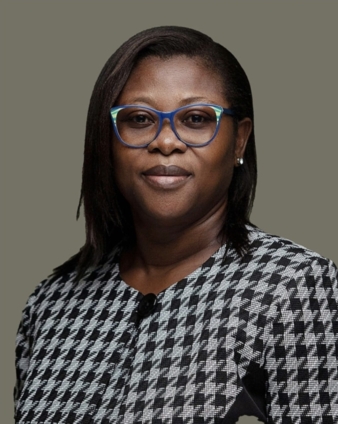
By Dr Linda Narh, Lecturer/Coordinator at UPSA.
Latest Stories
-
US, Iran fail to reach peace agreement after marathon talks in Pakistan
55 minutes -
Port crises loom as 11,000 drivers threaten four-day strike
2 hours -
A source of excellence across generations – Vice President Opoku-Agyemang lauds Mfantsipim
2 hours -
(Photos) Mfantsipim School launches historic 150th anniversary
3 hours -
Knights and Ladies of Marshall group backs Catholic Bishops’ stance on anti-LGBTQ+
4 hours -
Bright Simons writes: All the Filla in the Ibrahim Mahama/E&P – Gold Fields Saga
4 hours -
Monetise Idiocy In Ghana
4 hours -
ECG kicks off Phase Two of transformer upgrades at Lashibi; brief outages expected
5 hours -
The Ghanaian prophet and the mysterious death of his scottish wife Charmain Speirs
5 hours -
Nearly 400 sentenced in Nigeria for links to militant Islamists
5 hours -
Ghana’s recovery supported by gold strength despite global oil price pressures – Standard Bank Research
5 hours -
Methodist Church hails Mfantsipim@150; calls for “fresh consecration” to excellence
6 hours -
‘Excellence is our inheritance’ – Nana Sam Brew-Butler hails Mfantsipim’s 150-year reign in leadership
6 hours -
Kwaku Azar writes: A-G vs OSP
6 hours -
Mfantsipim–Adisadel rivalry built excellence, not division – Sam Jonah
6 hours