

Audio By Carbonatix
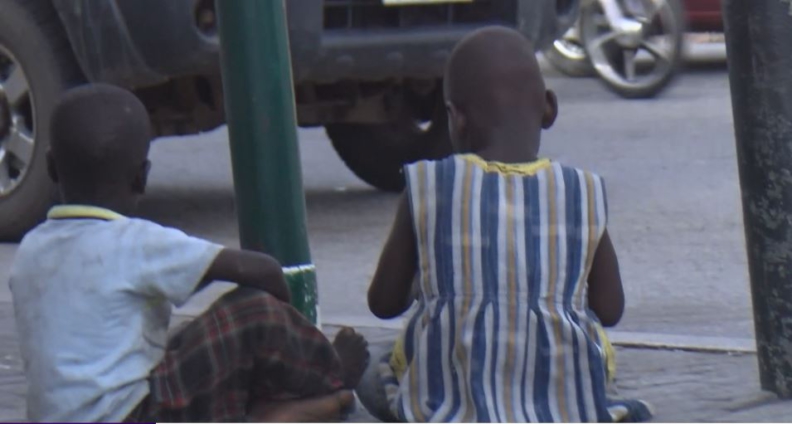
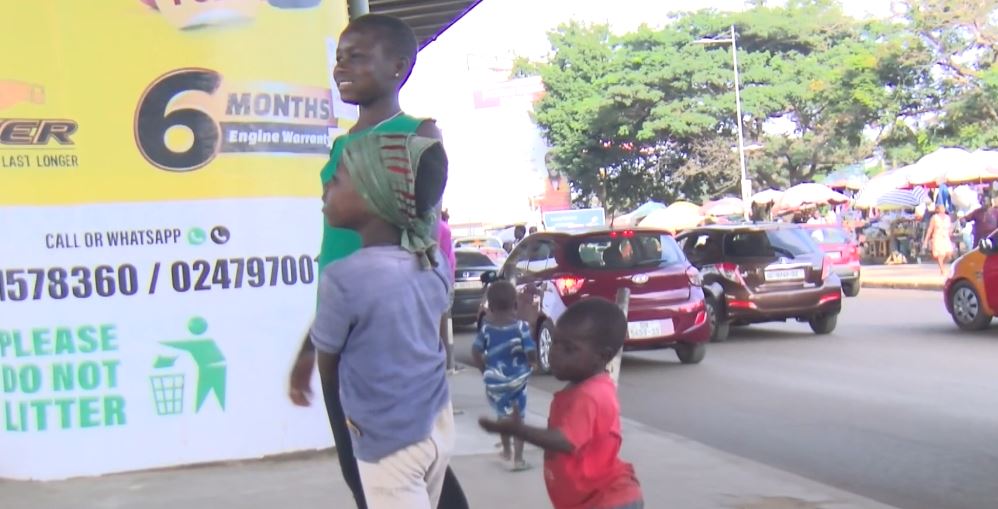
Data from the Child Psychiatry Human Development has revealed that there are more than 61,000 children below the age of 18 living on the streets in the Greater Accra Region of Ghana.
It is without a doubt that streetism is a rising social concern as more and more children take to the streets on a daily struggle to survive.
‘Streetism’ is a term used in describing children living on the streets, a phenomenon that could be attributed to increased urbanisation and the difficult socio-economic circumstances some rural families experience.
Abuse of children in some homes, the quest for financial freedom and curiosity have been identified as some of the causes of the menace.
Other factors that influence streetism are divorce, death of parents and inability of parents to provide basic necessities for their children.
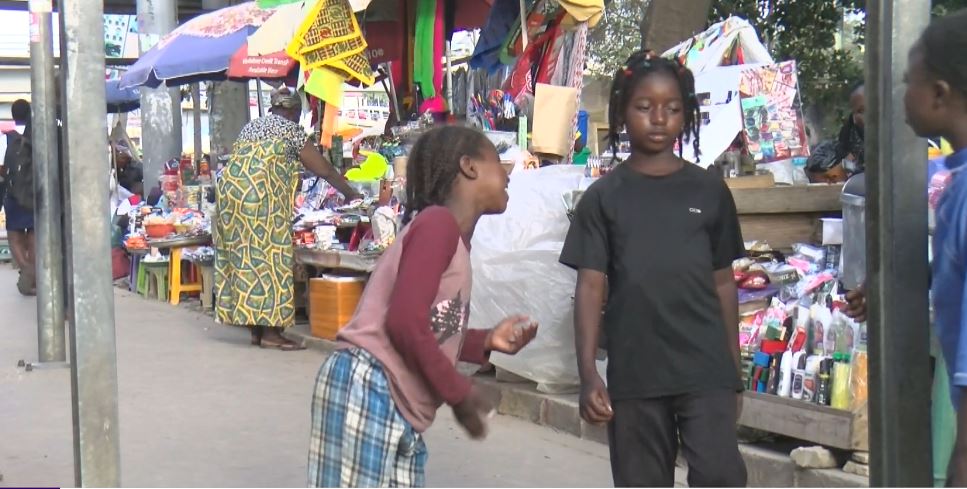
Such children do not only stand to be victims but also risk being involved social vices such as armed robbery, prostitution, among others.
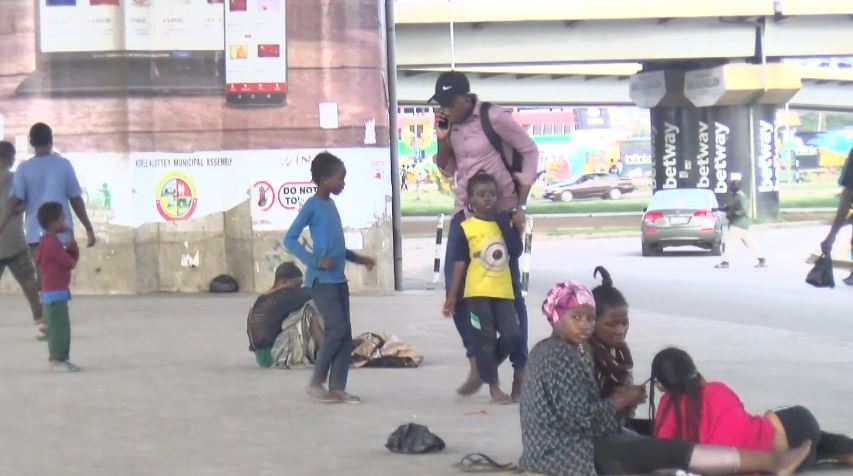
At the Kwame Nkrumah Circle, street children are usually seen sitting on the floor under the footbridges with their parents and guardians.
They beg for alms to survive at other spots including the Accra Mall, Paloma traffic intersection, just to mention a few.
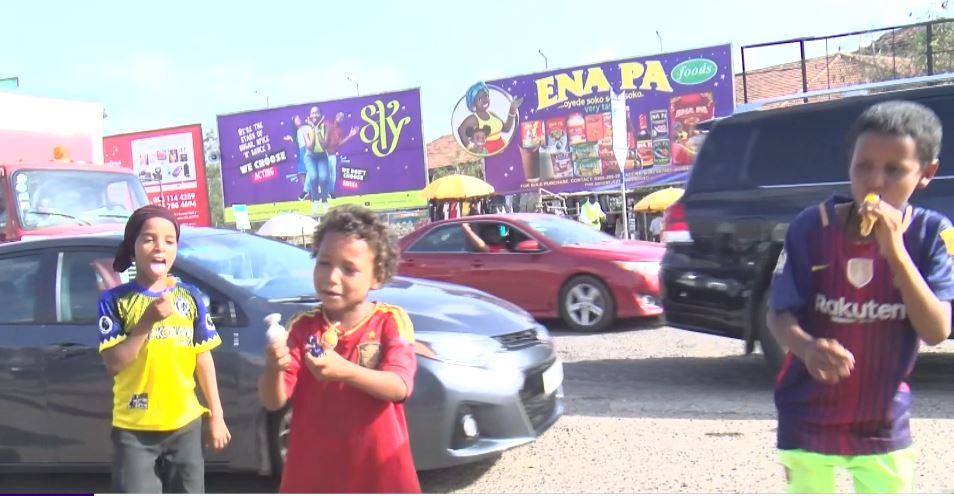
One of the street children known as Ama (not her real name), is a 14-year-old girl who seems to be content with life on the streets.
But on the contrary, there is no assurance of her getting to live any better life as she has been left at the mercy of rainstorms, the scorching sun, reckless drivers, rapists and other problems you may know of.
More concerted efforts could be made to change the status of these children through proper management and public sensitisation to educate parents, stakeholders and members of the public about the risks and negative consequences involved in streetism.
Who cares about what children on the streets eat and wear? Who is going to be their saviour to rescue them from their current situation?
Over the years, governments had given assurances of taking the children out of the streets but little has been done pertaining to this.
There could be policies in place to help these vulnerable ones acquire skills like hairdressing, sewing, painting, crafting and others that would enable them earn decent living.
Tomorrow must be built today. Therefore, let’s commit to equality for every child across the country.
Latest Stories
-
Ghana to honour Christina Hammock Koch for historic Artemis II mission
3 minutes -
Supreme Court appointments require more than 15 years’ experience – Justice Adjei-Frimpong
20 minutes -
Fire destroys 3-bedroom house at Bogyawe
43 minutes -
Why the Supreme Court is a “policy court” – Justice Richard Adjei-Frimpong breaks it down
48 minutes -
Playback: The Law discussed Supreme Court @150
2 hours -
MTN Momo staff walk to promote wellness and fitness
2 hours -
Assafuah: Sedina Attionu’s return from Nevada will test government’s commitment to accountability
2 hours -
How GRA’s Modified Taxation Scheme is boosting revenue compliance & SMEs competitiveness
3 hours -
Stonebwoy Can Do It: A call to unite behind 2026 BHIM Fest
3 hours -
World Shea Expo returns to Tamale for 2026 edition
3 hours -
Prioritise cocoa sector with better prices, timely payments-Annoh-Dompreh urges NDC
4 hours -
Lands and Mines Watch Ghana endorses Heath Goldfields’ mining capacity
4 hours -
Gbintiri residents protest alleged diversion of 24-hour market project
4 hours -
Justin Bieber headlines Coachella with nostalgia-fuelled set
4 hours -
Ukraine and Russia accuse each other of hundreds of ceasefire violations
4 hours