

Audio By Carbonatix
Social unrest is an unavoidable reality in modern governance. However, a clear distinction must be drawn between civil dissent and organised instability.
While peaceful protests are a protected right that strengthens a society, no sovereign state can tolerate actions that dismantle public order or endanger national security. When a movement shifts from chanting slogans to armed insurgency, the state has a fundamental duty to intervene.
The right to peaceful assembly is enshrined in the Constitution of the Islamic Republic of Iran and aligned with international standards, such as Article 21 of the ICCPR.
We recognise that as long as gatherings remain non-violent and do not infringe on the rights of others, they are legal. Iran hosts multiple cases of such gatherings annually without incident.
On Sunday, December 28, this right was exercised by shopkeepers in Tehran following currency market fluctuations. These initial gatherings were legitimate, trade-focused, and entirely peaceful. The participants sought to voice valid economic concerns regarding inflation and purchasing power.
It is important to note that these economic pressures are not organic; they are largely the direct result of unilateral, illegal sanctions imposed by Western powers, specifically the United States, which target the livelihood of the Iranian people.
For the first week, the government engaged constructively with these demands. The President personally intervened to address the grievances, proving that the system was responsive to civil dialogue.
However, the events of January 1 to 7 marked a calculated shift. The entry of unidentified, non-local actors changed the nature of the events from protest to riot. Despite this provocation, security forces maintained strict restraint to allow genuine protesters to separate themselves from the agitators.
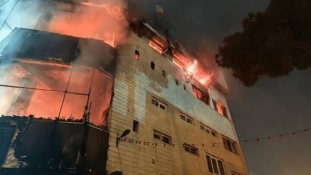
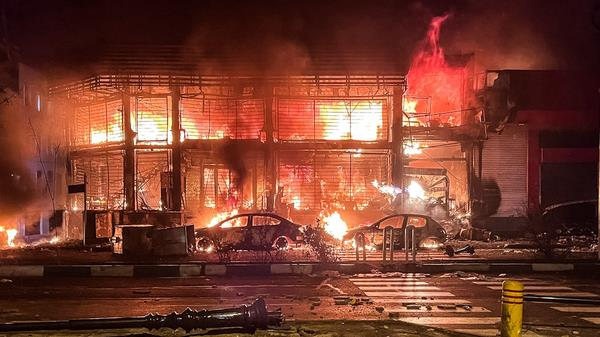
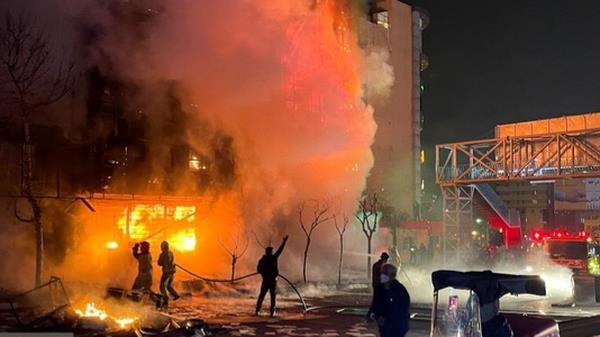
The situation changed fundamentally on January 8, 2026. We witnessed a transition from civil unrest to armed insurgency. This was no longer about inflation; it was a paramilitary operation. Terrorist elements infiltrated the crowds and distributed firearms. The tactics used—beheading security personnel, burning individuals alive, and organised assaults on infrastructure—are not the methods of dissatisfied citizens. They are the signature of trained terrorists.
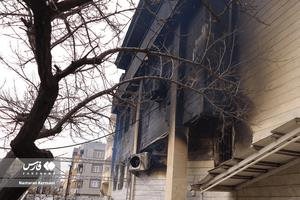
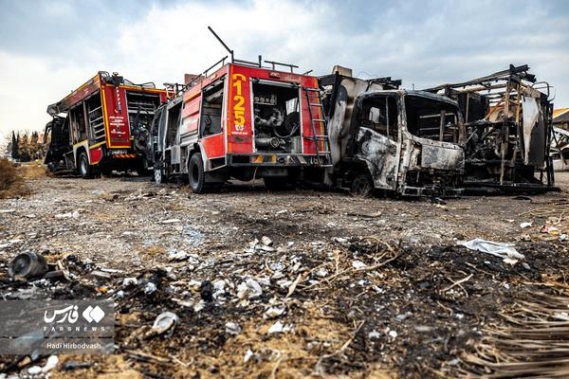
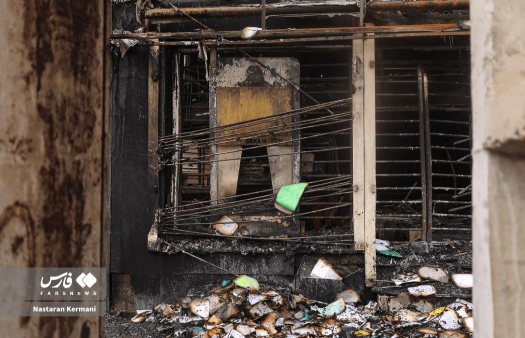
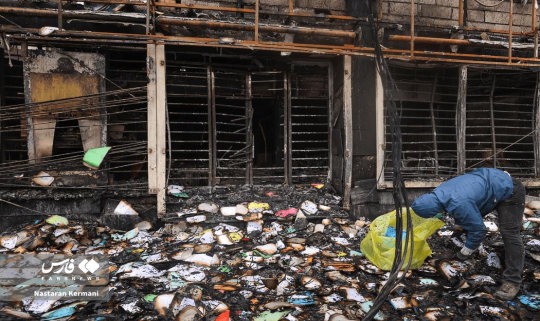
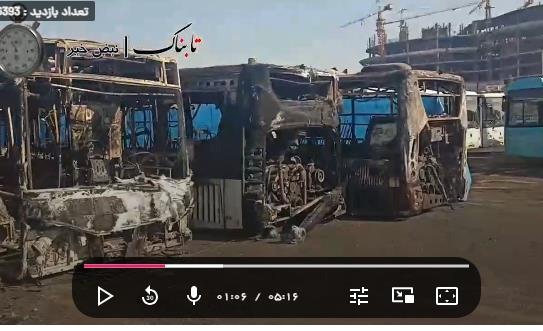
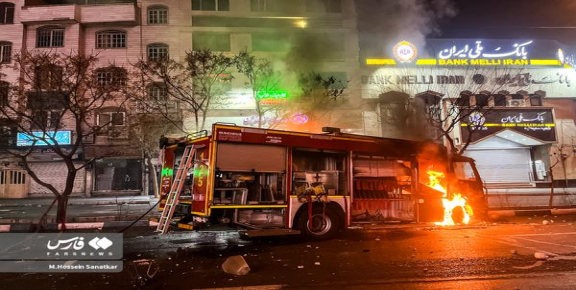
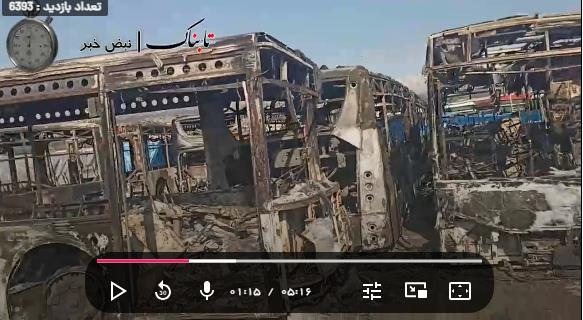
The logic of foreign interference is supported by the choice of targets. Rioters attacked 180 ambulances and 40 banks, as well as destroying 40 banks, 1,400 ATMs, 364 large stores, 265 educational centres, 15 commercial complexes, 13 government centres, 50 fire trucks, and over 70 mosques and other religious sites.
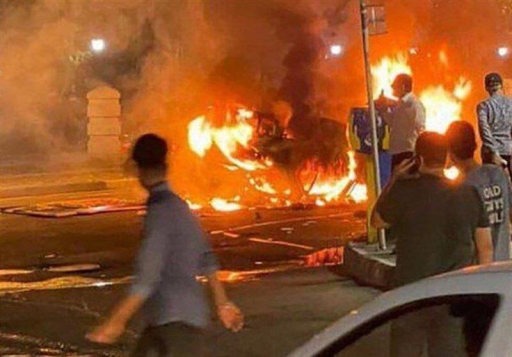
These are not symbols of political grievance but the lifelines of civil society. The objective was not reform but the total collapse of public order to increase the casualty count. This aligns perfectly with the threat from the US President, who stated that any state response to the riots would be met with military attack. The rioters were deliberately trying to manufacture a pretext for foreign invasion.
The evidence of coordination is undeniable. Israeli media has been open about ongoing operations within Iran. Former US Secretary of State and CIA Director Mike Pompeo publicly tweeted a greeting to "Mossad agents", emphasising that they are "standing alongside people in the street". This is not speculation; it is an admission that foreign intelligence assets are operationally active on the ground.
The Israeli regime bears direct responsibility for this bloodshed, which has claimed the lives of over one hundred police officers and innocent civilians. The timing is not accidental. These actions are a strategic attempt to trap the Trump administration in a new conflict and destabilise the Western Asia and Persian Gulf region.
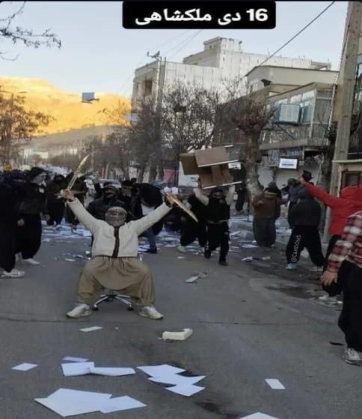
In conclusion, the Islamic Republic of Iran reaffirms its commitment to civil rights. We defend the right to protest. However, we cannot allow terrorist cells to use protesters as human shields. Protecting the lives of citizens requires decisive action against armed groups. We will not hesitate to enforce the law against those who seek to turn our streets into a war zone on behalf of foreign powers.
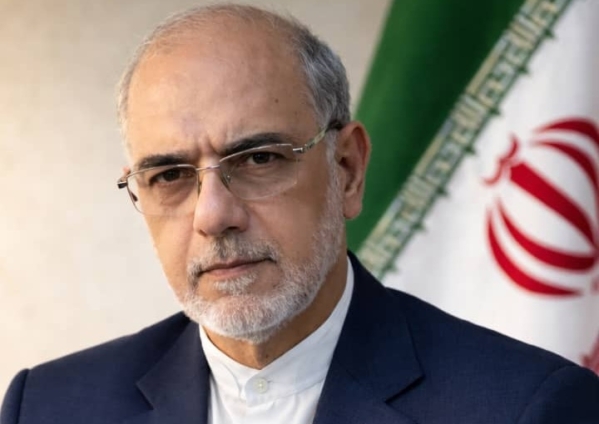
By: Ali Ghomshi - Ambassador of the Islamic Republic of Iran in Accra
Latest Stories
-
We can tackle multiple priorities – Sam George defends Anti-LGBTQ Bill push
2 minutes -
Statement: Ghana Chamber of Mines’ Response to Claims in Joe Jackson’s “Ananse Stories about the Economy of Ghana”
3 minutes -
GES opens 2026 teacher recruitment for licensed B.Ed graduates
5 minutes -
Ghana must value skilled trades, build resilient learners — Ibn Chambas
13 minutes -
Ghana must rethink education around relevance, resilience and responsibility — Ibn Chambas
16 minutes -
Prince Harry faces defamation lawsuit from charity he co-founded
18 minutes -
South Korea deploys thermal cameras to track escaped zoo wolf
20 minutes -
Calls for royal meeting with Epstein survivors grow ahead of US visit
23 minutes -
Ibn Chambas advocates blend of technology and human values in education
25 minutes -
UMA improves healthcare access in Asutifi North with GH₵700k ‘Kim Taylor Legacy’ Walkway
30 minutes -
Scholarships Authority and Fanaka University offer sponsorship for procurement and supply chain studies
33 minutes -
Bisa Kdei drops new single ‘Go N Look’ featuring Medikal
39 minutes -
Benin facing rising terrorism in north as French military presence faces growing criticism
40 minutes -
UEW Public Lecture Series 2026: Education debate ‘about the soul of Ghana’s future’ — Dr Ibn Chambas
41 minutes -
EU fingerprint and photo travel rules come into force from today
1 hour