

Audio By Carbonatix
The Chief Executive Officer of the Ghana Cocoa Board, Joseph Boahen Aidoo, has said he faced significant financial challenges when he assumed office in January 2017.
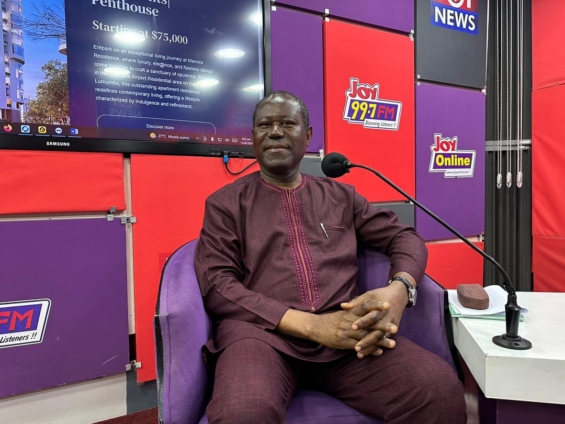
Speaking on Joy FM’s Super Morning Show, Mr Aidoo said although the previous administration secured an amount of $1.8 billion in 2016, by January 2017 no money was left when he took charge of Cocobod.
According to him, the money was spent on buying cocoa and other operational costs incurred.
“They bought about 600,000 metric tonnes before we came in. With cocoa, the peak harvest period is October, November, December, and January. So within the first quarter of the season, from October to December 2016, the previous administration bought over 600,000 metric tonnes.
“When we assumed office, there was no money, meanwhile, we had to buy cocoa till the end of the season from January to September,”he said.
Upon assuming office, Mr Aidoo said Cocobod faced the daunting task of continuing cocoa purchases without any funds available.
He said the best option was for Cocobod to seek assistance from the Bank of Ghana.
“We were forced to go to the Bank of Ghana to borrow. Within that period, we bought over 300,000 metric tonnes and we had to pay the farmers, we had to pay for haulage, the buyer’s margin, and operational costs.
“We sought help from the Bank of Ghana who became an intermediary between the Board and the consolidated banks and we got over GH₵2 billion,”he explained.
Ghana's cocoa has been ravaged by adverse weather, bean disease and illegal gold mining, which often displaces cocoa farms.
Ghanian farmers are also smuggling more beans to neighbouring countries to sell them at higher prices than the state purchasing price, further eroding what little crop is available for delivery in Ghana.
According to reports, the world’s second largest cocoa producer is looking to delay delivery of up to 350,000 tons of beans to next season due to poor crops.
Chocolate makers around the world are raising prices for consumers after cocoa more than doubled in value this year alone following a third year of poor harvests in Ghana and Ivory Coast, responsible for 60% of global production.
Latest Stories
-
Telcos and Regulators are failing Ghana on Mobile Money Fraud
5 minutes -
Discussions on petroleum taxes review ongoing with Finance Minister – Jinapor
11 minutes -
BMW Club Ghana partners National Road Safety Commission for “Stay Alive” Easter road safety campaign
16 minutes -
Health Ministry launches World Health Day 2026, urges science-based action
31 minutes -
MMFL anchors MTN Group’s fintech push in Ghana
40 minutes -
Ghana’s economy shows recovery signs, but risks persist – S&P maintains stable outlook
56 minutes -
SWAG commemorates its 8th anniversary with a public lecture
59 minutes -
Ibrahim Mahama claims Police Commander failed to stop alleged assault
1 hour -
Damang lease award to E&P followed due process — Minerals Commission
1 hour -
Today’s Front pages: Wednesday, April 8, 2026
1 hour -
Julian Opuni reaffirms Fidelity Bank support for industry-led skills training at DTI Berekuso campus
1 hour -
CAF President arrives in Dakar to meet Senegalese President, football authorities over AFCON title saga
1 hour -
Pastor arrested over viral threats against Vice-President
1 hour -
2026 Success Africa Summit: MTN’s Adwoa Wiafe challenges youth to act with purpose, not just pursue titles
1 hour -
Nurse laureate launches Cancer Care Africa Foundation to tackle late diagnosis, workforce gaps
3 hours