

Audio By Carbonatix
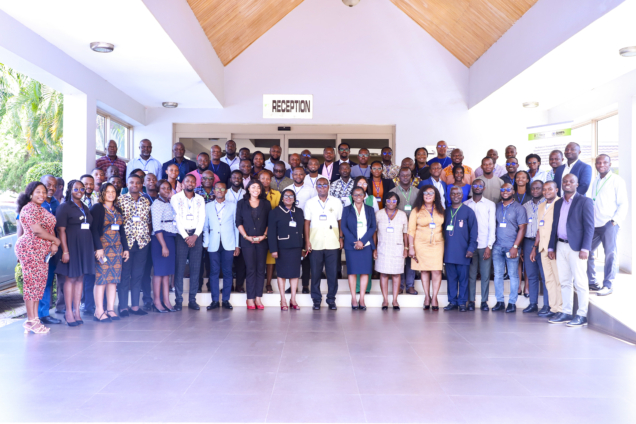
The Regional Transport Research and Education Centre Kumasi (TRECK) at the Kwame Nkrumah University of Science and Technology (KNUST), Kumasi in collaboration with the World Bank and the GIMPA Training and Consultancy, has rolled out a professional certificate course on Environmental and Social Risk Management (ESRM), focusing on land acquisition and involuntary resettlement.
The short course aims to equip professionals with the knowledge and tools to effectively manage risks and impacts related to development-induced displacement and land acquisition, a key challenges in the implementation of infrastructure and investment projects.
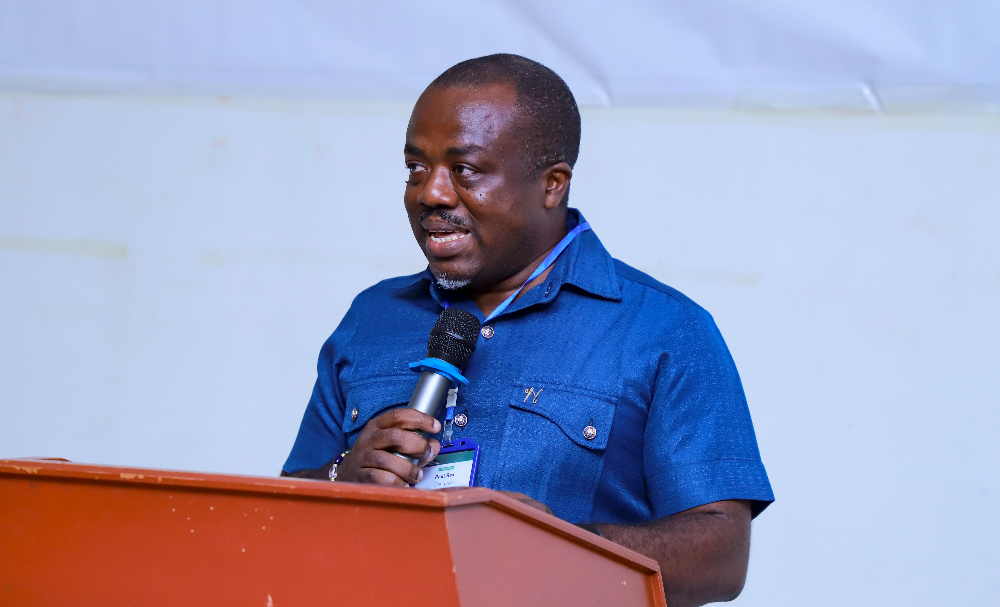
Speaking at the launch, Dr. Paul Rex Danquah, Senior Consultant at GIMPA Training and Consultancy, emphasised the relevance of the course in addressing long-standing land disputes in Ghana.
“Some of the key problems in Ghana are centred around land acquisition and resettlement. It’s our expectation that after this training, participants will be well equipped to go back to their institutions and drive change,” he said.
The course targets project managers, staff of ministries and government agencies, consultants, regulators, private sector practitioners, development workers, researchers, and students.
The initiative, first in a series of ESRM training programmes aimed at building capacity across Africa. Plans are underway to extend the programme to countries such as Liberia, Sierra Leone, and Nigeria.
Mr. Emmanuel Anyang Abeka, a representative from the World Bank, reaffirmed the Bank’s support for the initiative.
“We are supporting the sectors of excellence to move into the West African sub-region. We are currently working with them to target Liberia and Sudan, and eventually South Sudan. The Bank is committed to supporting the Ghana Centre of Excellence to become sustainable and stand as one of the best in the country in terms of training,” he noted.
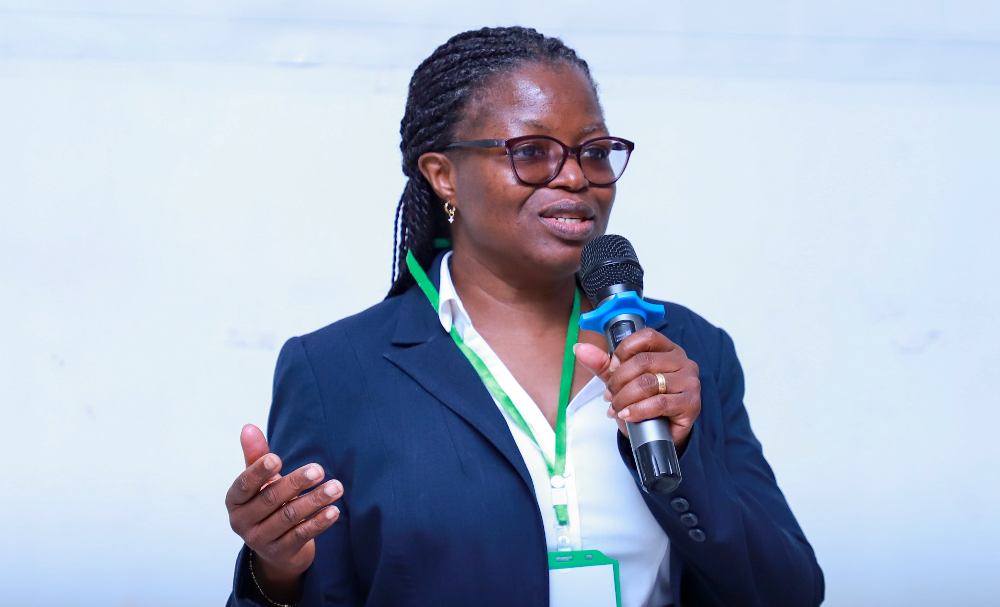
Prof. Helen Essandoh, Director of TRECK-KNUST, highlighted the critical role of ESRM in development planning, stressing the importance of identifying and engaging affected communities during land acquisition processes.
“When you want to implement a project, you need space and that space is usually occupied. If the people who live there are not properly consulted and resettled, disputes can arise. This course is crucial in building the capacity of professionals to manage such risks responsibly,” she said.
TRECK-KNUST is a World Bank-recognised African Centre of Excellence in Transport and Logistics, dedicated to research, training, and capacity building within the transport and development sectors.
Latest Stories
-
MLS bans Yeboah & Jones for betting offences
1 hour -
He called me traitor 50 times – Mourinho sent off after celebrating goal
2 hours -
Eni Aluko wins Joey Barton libel case over X posts
2 hours -
Ten players from Jamaican club denied entry to US
2 hours -
Some banks move to sell assets of PBC over GHC 300 million debt
2 hours -
Uefa fears impact of Premier League spending rules
2 hours -
EU to sign historic defence pact with Ghana in global security pivot
2 hours -
Liverpool lose to Galatasaray in Slot’s 100th game in charge
2 hours -
Iran begins laying mines in Strait of Hormuz, sources say
2 hours -
Joey Barton refused bail after ‘attack at golf club’
2 hours -
GH¢68.7bn gov’t arrears bombshell: Parliament orders probe over suspected fraud
2 hours -
The public display of students’ academic results in basic schools: A case against a damaging practice
3 hours -
GOIL jumps GH¢0.21, MTN Ghana surges past GH¢6.30 in record-breaking GSE session
3 hours -
NAIMOS disrupts illegal mining activities at Gwira Banso-Eshiem
3 hours -
Ashesi hosts Kensei Kai Foundation’s maiden Inter-University Karate Camp
4 hours