

Audio By Carbonatix
Minister for Education, Haruna Iddrisu, has said technical and vocational education is no longer a second option for students but a key driver of national growth and job creation.
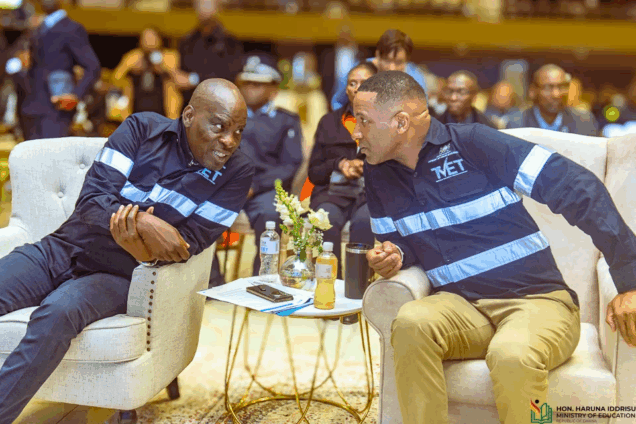
Speaking at the 2025 TVET Pitso Forum held at Ba Isago University in Gaborone, Botswana, Mr. Iddrisu shared Ghana’s recent reforms and progress in Technical and Vocational Education and Training (TVET). The event was hosted by Botswana’s Human Resource Development Council (HRDC) and officially opened by President Duma Gideon Boko.
“TVET is no longer a path reserved for the less academically inclined or a punishment for non-conformist youth,” Mr. Iddrisu said. “Today, TVET is the backbone of national development. It is our government’s top priority for industrialisation and job creation.”
He acknowledged the challenges African countries have faced over the years in lifting the profile of TVET, including low funding, poor links with industry, and negative public perceptions.
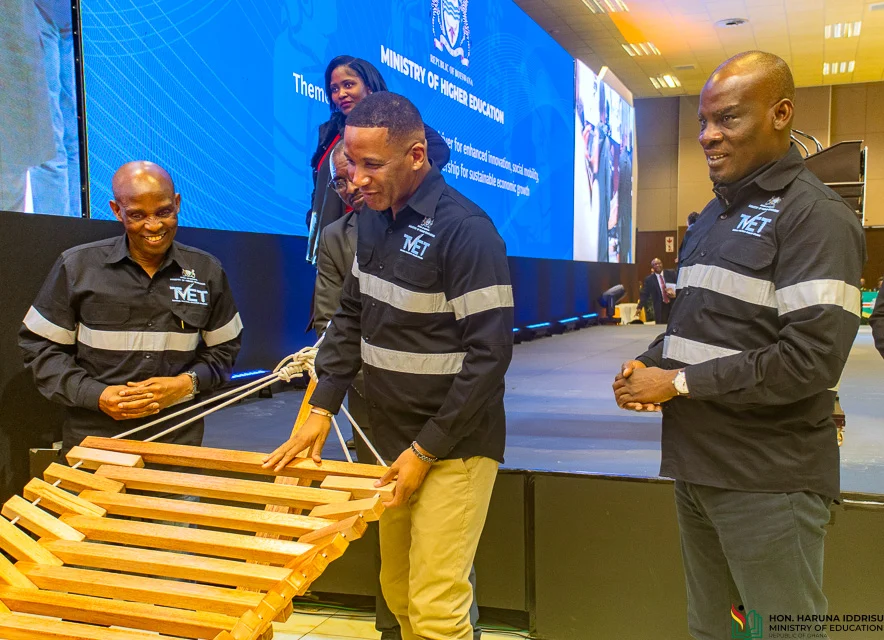
Detailing Ghana’s approach, the Minister highlighted the government’s investment in new institutions to tackle youth unemployment. He said three new technical universities have been established, offering training in digital engineering, agricultural engineering, and applied healthcare sciences.
The universities now provide qualifications ranging from short courses to Bachelor of Technology degrees.
“We are building a skills-driven economy,” Mr. Iddrisu said, adding that “Our reforms aim not only to provide quality education but to ensure it meets the needs of industry and creates real job opportunities for young people.”
He also spoke about major policy reforms that have supported Ghana’s TVET transformation. These include the Education Regulatory Bodies Act 2020, which set up the Commission for TVET (CTVET) to lead skills development across the country. Ghana has also introduced Sector Skills Bodies (SSBs) to make sure training is shaped by industry needs.
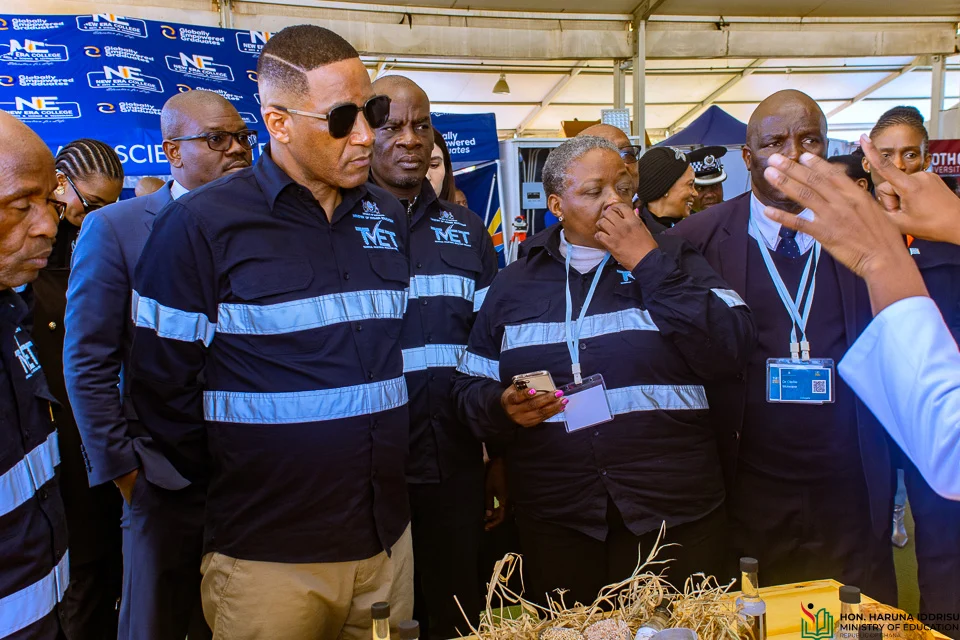
Another key change was the passing of the Pre-Tertiary Education Act 2020, which created the Ghana TVET Service to oversee all public TVET schools before the university level. The goal is to make training more practical and aligned with the job market.
Mr. Iddrisu said these changes are already having a strong impact. “TVET enrollment in Ghana has increased from approximately 42,000 students in 2018 to over 235,000 in the 2024 academic year,” he revealed.
He urged other African countries and development agencies to support Botswana’s HRDC and to work together to expand technical education across the continent.
“I call on all stakeholders to support this important effort with funding, technical expertise, and meaningful collaborations,” he said. “We must also promote gender inclusivity in TVET and ensure young women have equal access to career opportunities in all sectors.”
Latest Stories
-
Nearly 2,000 displaced, schools damaged as windstorm wreaks havoc in Gushegu
16 minutes -
Ghana’s Derrick Kohn to work under Marie-Louise Eta as she becomes first woman to coach men’s Bundesliga team
20 minutes -
Accra Open Championships conclude with strong performances ahead of African Championships
27 minutes -
Ghana to begin camping with 12 athletes after Accra Open Championships – Bawa Fuseni
49 minutes -
Anthony Joshua declines showdown with Tyson Fury but admits they ‘probably’ clash next
1 hour -
Tyson Fury dominates Makhmudov, calls out Joshua next
1 hour -
I have supported highway authority financially to fix roads in my constituency – A Plus
2 hours -
US, Iran fail to reach peace agreement after marathon talks in Pakistan
3 hours -
ECG kicks off Phase Two of transformer upgrades at Lashibi; brief outages expected
3 hours -
Port crises loom as 11,000 drivers threaten four-day strike
4 hours -
A source of excellence across generations – Vice President Opoku-Agyemang lauds Mfantsipim
5 hours -
(Photos) Mfantsipim School launches historic 150th anniversary
5 hours -
Knights and Ladies of Marshall group backs Catholic Bishops’ stance on anti-LGBTQ+
6 hours -
Bright Simons: All the Filla in the Ibrahim Mahama/E&P – Gold Fields Saga
7 hours -
Monetise Idiocy In Ghana
7 hours