

Audio By Carbonatix
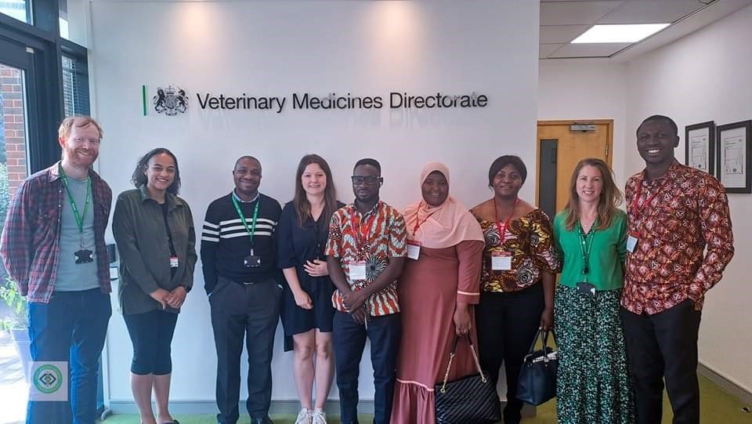
Four officers from the National Food Safety Laboratory (NFSL) under the Veterinary Services Directorate of the Ministry of Food and Agriculture, Ghana, have successfully undergone hands-on training in Salmonella serotyping in the UK.
This visit was facilitated through the Animal Health System Strengthening Project, an overseas development assistance initiative managed by the UK’s Department for Environment, Food and Rural Affairs.
The team included Dr. Benjamin Kissi Sasu, the Deputy Head of the Laboratory; Hawaha Korkor Ashong, the laboratory’s Quality Manager; Emmanuel Gameli Adzaworlu, a Technical Supervisor; and Lovelace Darko, a Veterinary Laboratory Technician. The team was hosted by the Animal and Plant Health Agency (APHA).
Salmonellas are a group of common bacteria that cause food poisoning, in humans. They are usually spread by inadequate cooking and through cross-contamination. Salmonella bacteria are most often found in raw meat, undercooked poultry such as chicken or turkey, eggs and unpasteurised milk; they can also be found in fruits, vegetables, and even processed foods.

More than 2500 types of Salmonella exist (although only 100 will make you sick). Serotyping is a type of test scientists can perform to identify the (sero) type of Salmonella present. Identifying which type of Salmonella is present in food produce, or in sick individuals, can help scientists to trace the origin of infection and potentially reduce the risk of an outbreak by limiting the risk of exposure. Serotyping can also inform which drug can be used to treat severely ill patients.
Currently, the NFSL is the only ISO accredited (a seal of approval from a third party that certifies the laboratory complies with international standards) Veterinary (Animal Health) Laboratory in Ghana.
Receiving training in Salmonella serotyping from THE Animal and Plant Health Agency (APHA) - a centre of excellence on the topic as recognised by the World Organisation for Animal Health- is an opportunity welcomed by NFSL staff.
The Animal Health Systems Strengthening project is now looking to provide NFSL with critical equipment to ensure application of the knowledge and skills acquired can be put into practice in Accra.
In time, the hope is to transfer the methodology to the three main NFSL Sentinel sites in Takoradi, Pong Tamale, and Kumasi. While in the UK, the team took the opportunity to further discussions with the Veterinary Medicines Directorate on the monitoring of residues, of veterinary drugs, and antimicrobial resistance in food products. The NFSL’s efforts are crucial in safeguarding the health of humans and animals in Ghana
Latest Stories
-
GPL 2025/26: Dreams FC stage stunning comeback to hammer Eleven Wonders
51 seconds -
Livestream: The Probe examines Kumasi’s looming water crisis
4 minutes -
MTN Ghana gears up to lead Africa’s AI revolution
5 minutes -
Philanthropist Alhaji FuZak donates Da’wah bus to Ambariya Sunni community
13 minutes -
GUTA calls for suspension of Publican AI system over trade disruptions, demands temporary halt in import activities
15 minutes -
TTAG raises alarm over proposed recruitment of 7,000 teachers, demands national posting roadmap
49 minutes -
Civilians feared killed after reports of air strike on Nigerian market
58 minutes -
Bishop Simon Kofi Appiah installed as new Jasikan Diocese Bishop
59 minutes -
Trump’s Strait of Hormuz blockade threat raises risks and leaves predicaments unchanged
1 hour -
US Court backs extradition of former MASLOC CEO Sedina Tamakloe-Attionu to Ghana
1 hour -
Seven arrested as NAIMOS dismantles illegal mining camp, seizes firearms at Boin River
1 hour -
Fire erupts at Madina Ritz Junction, destroys multiple wooden structures and containers
2 hours -
Daniel-Kofi Kyereh returns from long-term injury, registers assist for Freiburg U23
2 hours -
Knifeman calling himself ‘Lucifer’ slashes three at NYC’s Grand Central
2 hours -
Brands are built from within to without
2 hours