

Audio By Carbonatix
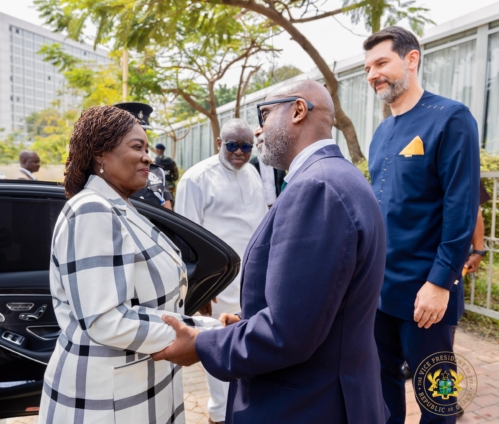
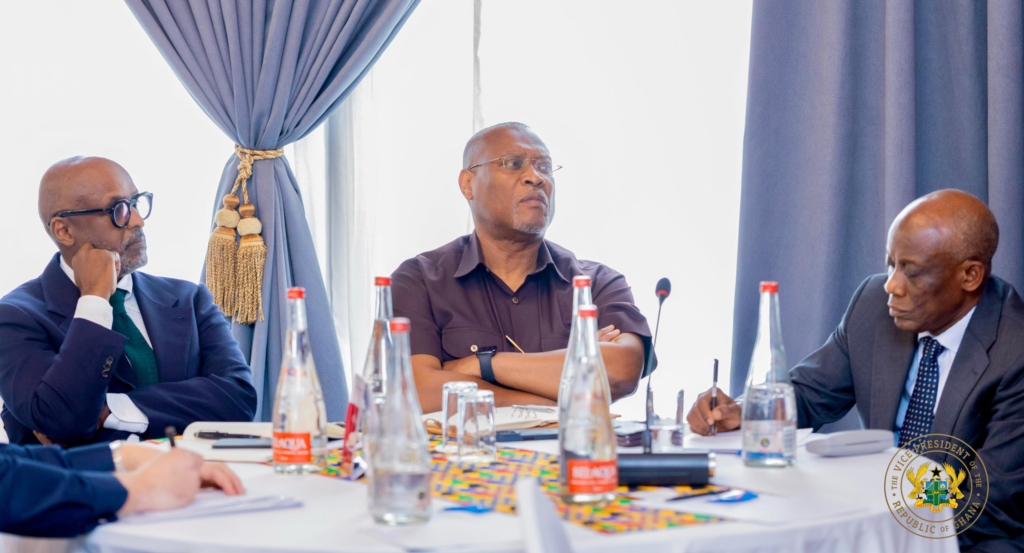
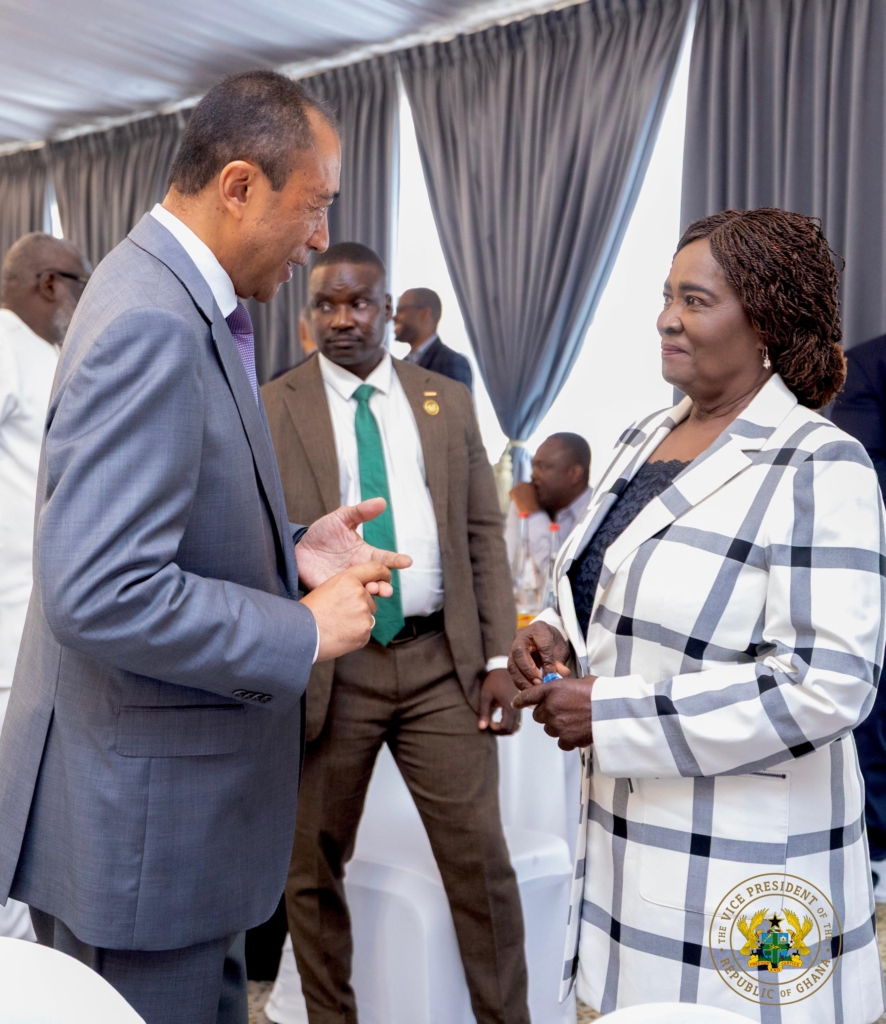
Vice President Professor Naana Jane Opoku-Agyemang has engaged with the Heads of the International Monetary Fund's (IMF) country and regional offices in Africa, using the platform to reflect on Ghana’s economic experience amid heightened global concerns over debt and development finance.
The meeting, held on January 20, provided the Vice President with the opportunity to outline Ghana’s improving macroeconomic conditions and to situate the country’s recovery within broader continental and global economic shifts.
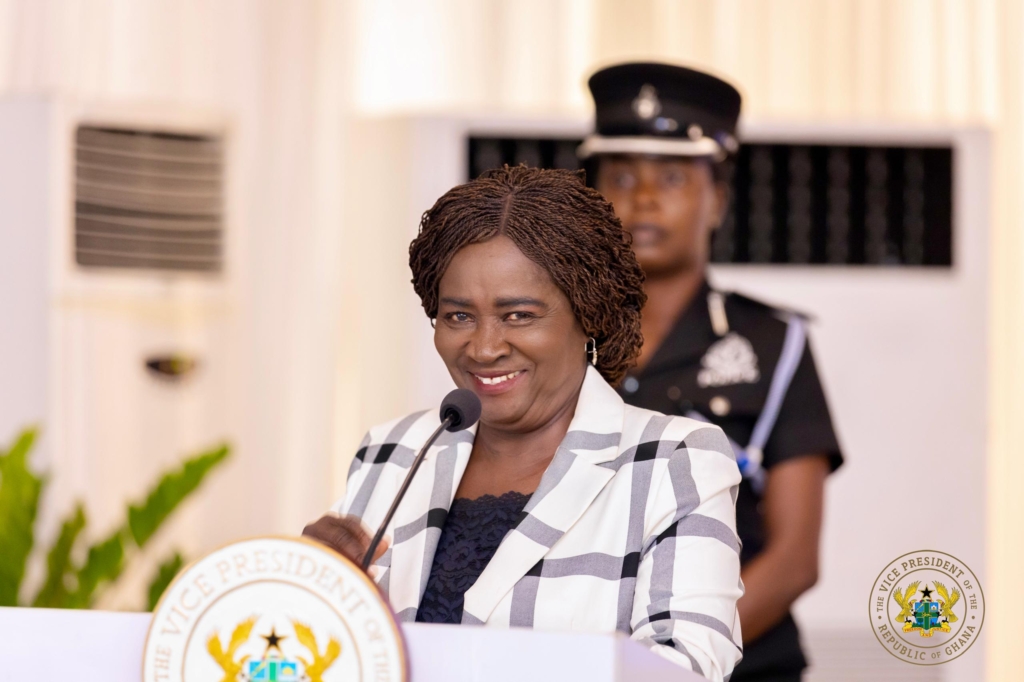
Professor Opoku-Agyemang noted that Ghana’s economic reality today differed markedly from that of the recent past, citing key improvements including single-digit inflation, a more stable cedi, and stronger real Gross Domestic Product (GDP) growth.
She emphasised that the gains were tangible and being felt across the economy, rather than remaining abstract macroeconomic indicators.
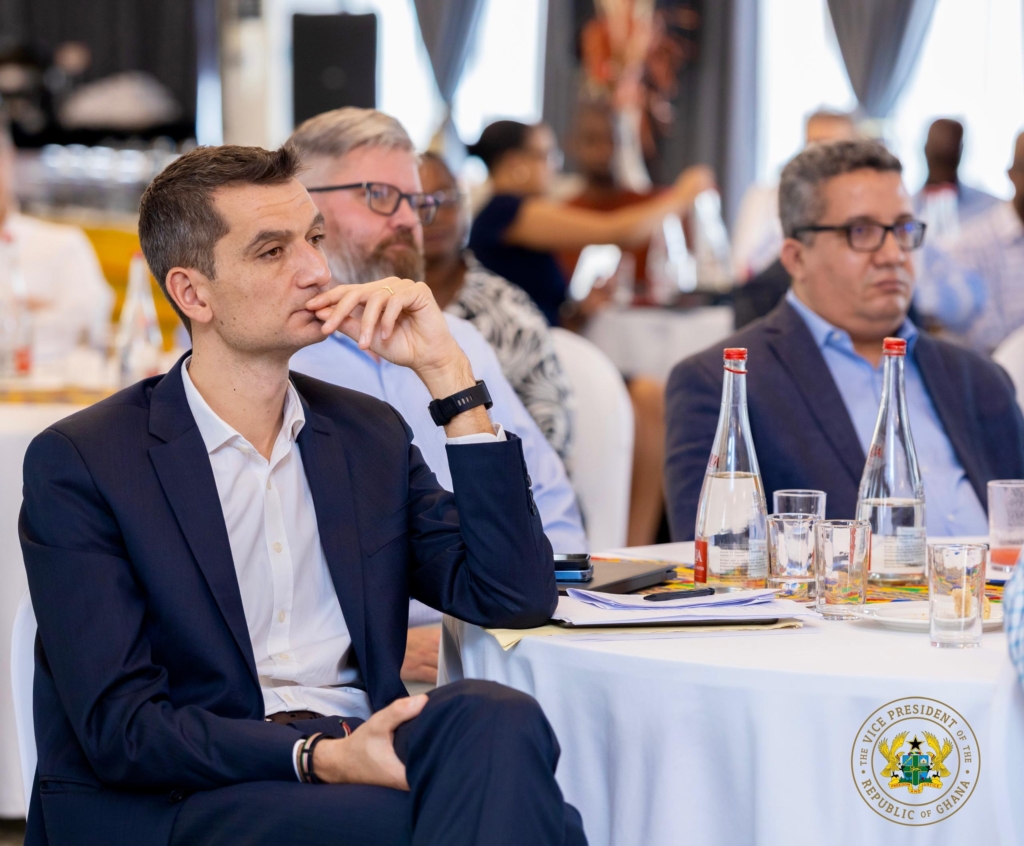
The Vice President said Ghana was entering a new phase with cautious optimism and resolve, underpinned by reforms that were nationally owned and supported rather than dictated by the IMF, and sustained by the country’s willingness to take difficult but necessary policy decisions.
She acknowledged the continued relevance of international financial institutions on the African continent, while observing that recent global and regional developments increasingly demonstrated Africa’s readiness to do more on her own.
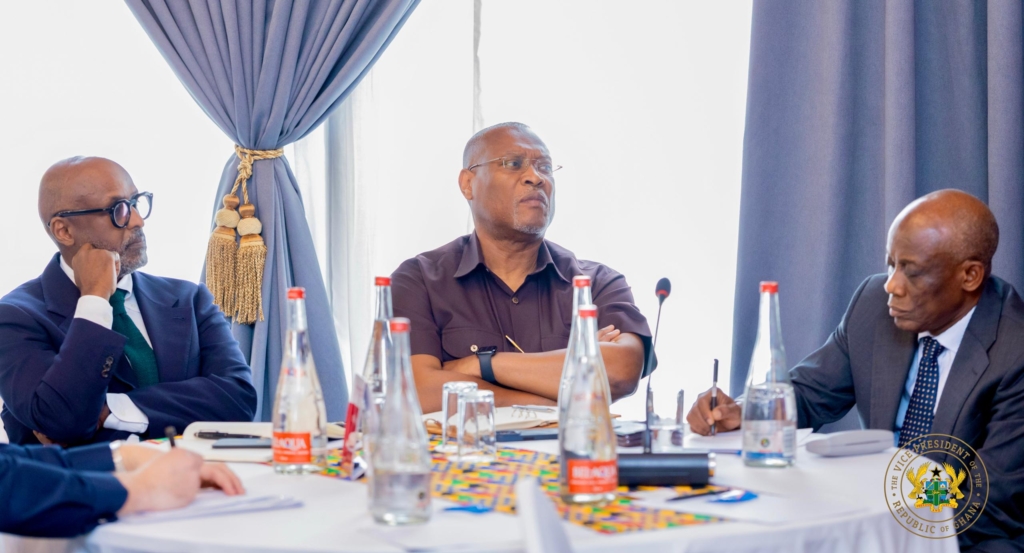
Professor Opoku-Agyemang stressed that this growing self-confidence did not diminish the value of partnerships but rather underscored the need for cooperation that was mutually beneficial and responsive to Africa’s development priorities.
Reaffirming the position of President John Dramani Mahama, the Vice President said Ghana’s relationship with the IMF must evolve beyond emergency support arrangements.
She noted that while Africa continued to grapple with structural challenges such as high borrowing costs, the continent also possessed significant opportunities, including the transformative potential of the African Continental Free Trade Area (AfCFTA).
She said Ghana remained committed to pursuing self-reliance, supported by coordinated, fair, and development-oriented international cooperation.
Latest Stories
-
Iran Embassy in Ghana opens Book of condolence after death of Supreme leader in US-Israel attacks
2 hours -
GPL 2025/26: Vision FC cruise past Berekum Chelsea with emphatic 3–1 win
2 hours -
GPL 2025/26: Samartex held by Dreams FC as winless run extends to five
2 hours -
New Juaben North MP challenges gov’t to provide evidence of jobs created and cheap loans
2 hours -
Nadowli-Kaleo District marks 69th Independence Day with cultural exhibition, academic awards
3 hours -
Confusion, tension rock NPP polling station registration exercise in Tarkwa-Nsuaem
4 hours -
Burger King opens first Kumasi branch in Ahodwo
4 hours -
Burma Camp Tennis Club hosts successful 12th Ghana–Nigeria Independence Day Tennis Tournament
4 hours -
Rights, justice and action for all women and girls must include women and girls with disabilities
4 hours -
The Lover and the Fighter: China, the west, and Africa’s geopolitical awakening
4 hours -
UCC student dies in tragic road accident on campus
5 hours -
Health Ministry establishes committee to probe death of hit-and-run victim
5 hours -
RTI Commission, NACOC explore collaboration to promote transparency and accountability
5 hours -
Three dead as truck overturns near Asenema Waterfalls
6 hours -
Four Ghanaian UN peacekeepers recovering after Lebanon missile attack — Defence Ministry
6 hours