

Audio By Carbonatix
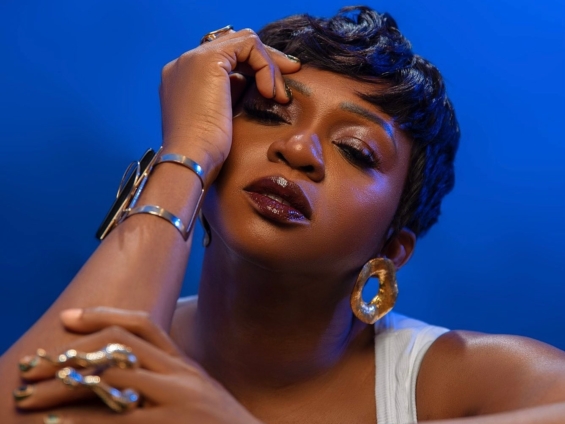
Nigerian singer Waje has told a new, wide-ranging story about her early career, revealing she was the uncredited female voice on P-Square’s continental hit ‘Do Me’ and that she did not receive payment for her contribution.
The revelation came during a candid conversation on The Honest Bunch Podcast, where Waje retraced how a young church singer from the east of Nigeria found herself on one of West Africa’s most played tracks.
Waje said the opportunity came early in her career after she was signed to a small label as a teenager.
She described being a young mother, singing in church and learning on the job rather than navigating the business side of music.
When the song exploded, she said she did not fully grasp its reach, and because she trusted the label and lacked knowledge about royalties and contracts, any money that might have been generated did not reach her.
She succinctly summarised her experience by saying, "I didn't make any money."

The track in question appears on defunct music group P-Square’s 2007 album Game Over and is now commonly credited as featuring Waje on various streaming and catalog listings, a detail that confirms her vocal role on the record.
Yet Waje’s account highlights a recurring industry problem of young vocalists contributing to major hits without being equipped to claim credit or earnings at the time.
Beyond the financial issue, Waje used the interview to sketch the very human side of her rise. She recalled freestyling and finishing her own breakout song, “I Wish”, in P-Square’s home studio; the scramble to get a passport that stopped her from appearing in the ‘Do Me’ video shot abroad; and the way early success arrived before she had the infrastructure to turn it into sustained career momentum.
She also reflected on lasting relationships with artists who helped launch her, including moments of mentorship and protection that shaped her path.
Waje declined to fan public flames about longstanding disputes surrounding P-Square, saying she prefers not to weigh in on family fallouts that are complex and private.
Her wider message in the interview is clear: talent can open doors, but without basic business knowledge and proper management, artists can easily be left out of the rewards that follow a hit.
Latest Stories
-
Nearly 400 sentenced in Nigeria for links to militant Islamists
3 minutes -
Ghana’s recovery supported by gold strength despite global oil price pressures – Standard Bank Research
9 minutes -
Kwaku Azar writes: A-G vs OSP
42 minutes -
Mfantsipim–Adisadel rivalry built excellence, not division – Sam Jonah
1 hour -
Vice President launches Mfantsipim’s 150 years of shaping Ghana’s greatest mind
1 hour -
I assure Otumfuo, Mahama will join him to commission KNUST Teaching Hospital by end of this year – Haruna Iddrisu
2 hours -
Barcelona dominate derby to extend La Liga lead
2 hours -
Gov’t to roll out free special education for persons with disabilities from July 1 – Education Minister
2 hours -
Importers and Exporters Association declares full support for Publican AI port system
3 hours -
“We used it to test our officiating officials’ readiness” – Bawah Fuseini after CAA Athletics event
3 hours -
Volleyball emerges as Ghana’s fastest rising sport
3 hours -
National Sports Fund needs strong leadership from the top – Administrator David Wuaku
3 hours -
JoySports Exclusive: Steve McLaren in talks with GFA after expressing interest in Black Stars job
3 hours -
Fire guts auto parts warehouse at Bubuashie, one fire officer injured
4 hours -
I owe my victory to coach Ofori Asare – Allotey after winning WBA Africa Gold Super Flyweight belt
4 hours