

Audio By Carbonatix
The Head of Research and Communications Unit of the Ghana Chamber of Telecommunications has said the Chamber is working with stakeholders to make mobile fraud an expensive venture.
Derek Laryea said the Chamber was considering the blocking of phones used in such transactions and blacklisting the identity of such users across all telecommunication networks.
According to him, persons who indulge in fraud using mobile phones did not find it costly when their chips were blocked because the chip costs only ¢1.
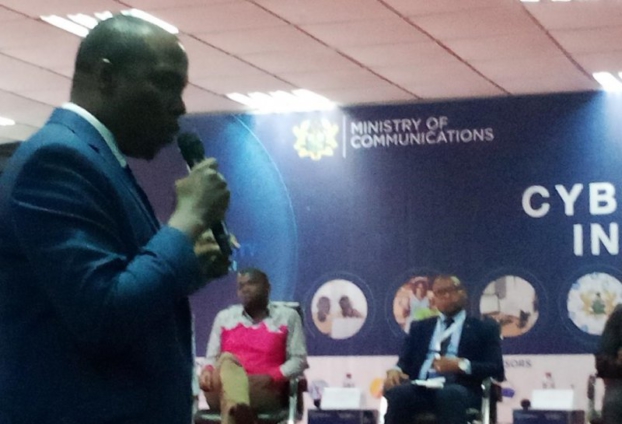
Mr Laryea said this at a forum held in Accra to discuss Mobile Money Fraud and the way Forward," at a Cybersecurity workshop.
He said the systems handling Mobile Money transaction were secured, but most people fell victim to fraudsters due to vulnerabilities on their side and said efforts were underway to make the venture costly and unprofitable.
Senior Manager, Risk Compliance and Anti-Money Laundering, MTN Ghana, Mr Godwin Kwami Tamakloe said MTN had invested about 2.5 million dollars into Artificial Intelligence and machine learning to upgrade its existing technology to track down the identity of such fraudsters.
He said in collaboration with the Ghana Police Service, over 50 persons had been arrested for their involvement in Mobile Money related crimes and names of such persons would be published to deter persons indulging in such activities.
Mr Tamakloe said the collaboration would build the trust of the populace in Service providers.
Assistant Commissioner of Police (ACP), Dr Herbert G. Yankson said there was the need for stakeholders to intensify education, targeting all sectors of the economy, saying, records had shown that the number of cases recorded at his office had reduced from 93,000 in 2018 to 49,000 as at June 2020.
He called for collaboration between the telecommunications service providers and the Police Service to facilitate data sharing to enable quick arrest of offenders.
Acting Head of Technical Operations, e-Crime Bureau, Mr Eric Kwaku Mensah said mobile phone users should avoid filling push prompt notifications, which demanded their pin codes because that was the new technique being used by fraudsters.
He advised them to report issues to the National Cyber Security Center (NCSC) through its short code 292 or to the mobile networks immediately.
Head of Fintech and Innovations, Bank of Ghana, Mr Kwame Agyapong Oppong said there was the need for an upgrade in the identification structure of citizens to enable easy sharing of information across institutions to fight such crimes.
He advised the public to "Report incident of attempt fraud or fraud early without delay."
Latest Stories
-
Evalue Ajomoro Gwira MP calls for calm amid Lower Axim and Nsein chieftaincy tensions
4 minutes -
I know the President listens and he will – Franklin Cudjoe
24 minutes -
Former AG Godfred Dame demands retraction from Kwakye Ofosu over galamsey claims
24 minutes -
All Big Push contractors paid, projects on track – Roads Minister
38 minutes -
Photos: Mahama meets CSOs on accountability, anti-corruption and governance
43 minutes -
Big Push prioritises precision, quality and value – Roads Minister Agbodza
50 minutes -
Big Push agenda targets local contractor development – Agbodza
56 minutes -
Between memory and partnership: Ghana’s moral test on reparatory justice
60 minutes -
“OSP has always lacked the opportunity to speak” – Samuel Appiah-Darko
1 hour -
Local experts unlock pension capital as Ci Gaba Fund raises GH¢380m to finance SMEs
1 hour -
US gas price tops $4 for first time since 2022
1 hour -
I won’t answer for bypassed transactions—Interior Minister warns security heads amid GNFS probe
1 hour -
48-hour curfew imposed after attack on bar in Nigerian city
1 hour -
OSP has performed creditably despite constraints – Edem Senanu
1 hour -
Trump tells the UK and other countries ‘go get your own oil’ from Strait of Hormuz
2 hours