

Audio By Carbonatix
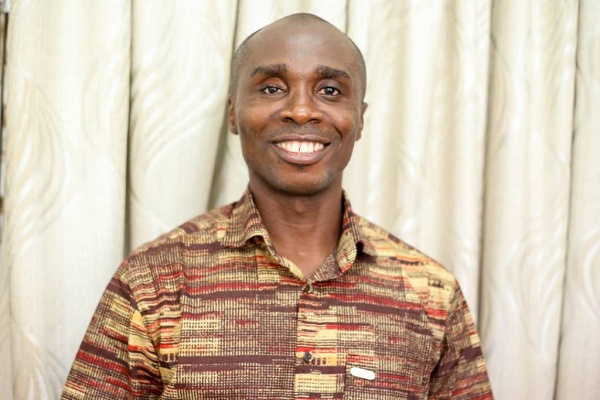
An Economist Dr. Patrick Asuming has said a debt cancellation will not provide the ultimate solution to the country’s economic woes.
Dr. Asuming explained that the country’s commercial debts are too enormous to make it possible for government to consider debt cancellation as an option to the debt exchange programme.
More than two dozen aid and campaign groups have called for international creditors to cancel a large portion of Ghana’s debts as it struggles to contend with an economic crisis.
The government asked to restructure its bilateral debt under the G20 common framework platform – launched in 2020 to help coordinate debt reprofiling and restructuring this month after announcing it would default on most of its external debt at the end of last year.
But speaking in an interview on Top Story, Thursday, Dr. Asuming said a debt cancellation has a limit to which it can solve the country’s economic challenges due to the chunk of commercial debt.
“We have to understand that a chunk of our debt is commercial so it’s easy to appeal to other governments and also multilateral partners for that kind of forgiveness, but I am not sure that it is feasible to ask what we have borrowed from the international capital market to get that kind of forgiveness.
“In a sense, we can see that option has been explored, but there is a limit to how much that can solve our problem because a huge chunk of our debts is commercial debt.
“We cannot turn to that and say we could just put aside the domestic debt exchange and go for that (debt cancellation),” he said.
Suggesting other options for government, he said “the obvious ones are there, we know that there is a question about cutting Ministers. I still think there is room in addition to cutting the Ministers, we have to think about consolidating some of the government agencies. In addition, we also have to review the efficiency of government spending.”
Meanwhile, the has called for a suspension of the domestic debt exchange programme expected to stabilise the country’s debt.
The Council in a statement dated January 19 signed by its Chairman and Secretary, said it has identified a lapse in the programme which is the lack of consultation with the affected institutions and individuals.
Latest Stories
-
Friends of Bridget Bonnie Marks her 35th birthday with donation to Kasseh Model Health Centre
2 minutes -
Landfilling waste management creates no value, it’s an economic waste
29 minutes -
Photos: Speaker Bagbin Commissions MPs constituency office under parliamentary decentralisation programme
45 minutes -
Black Stars technical advisor Winfried Schäfer sacked as GFA shakes up backroom staff
49 minutes -
Wenchi water project almost complete, critical to gov’t agenda – GWL MD
1 hour -
Anti-LGBTQ+ bill not part of government’s legislative agenda – Inusah Fuseini
1 hour -
Anti-LGBTQ Bill: Forget the rumour mongers, I’m a man of action, and will pass the bill – Speaker
2 hours -
Women and children among those killed in Sudanese army shelling of wedding celebration
2 hours -
President Mahama is not sincere with Ghanaians on LGBTQ bill matter – Hassan Tampuli
2 hours -
Gov’t to establish Prison Industrial Hub to equip inmates with income-generating skills – Prison Service boss
3 hours -
Alhassan Tampuli donates cement, roofing sheets to support storm victims in Gushegu
3 hours -
Alhassan Tampuli appeals for urgent support for storm victims in Gushegu
3 hours -
The hypocrisy must stop; pass Anti-LGBTQ+ Bill now – Alhassan Tampuli to Mahama
3 hours -
Imprisonment should be rehabilitative, not punitive – Ghana Prisons boss at UNGA
3 hours -
Ga Adangbe traditional priests petition Mahama over McDan aviation licence revocation
3 hours