

Audio By Carbonatix
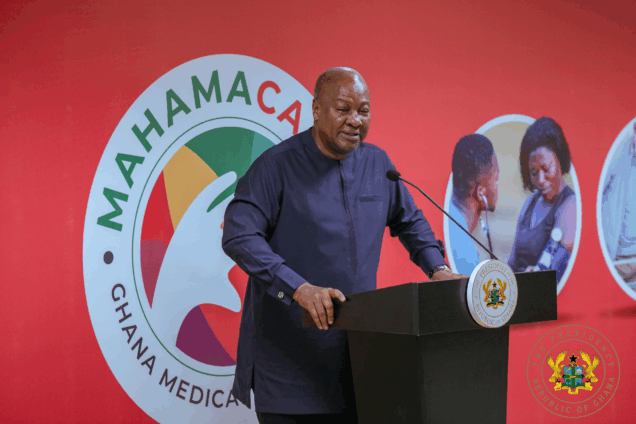
Research Fellow at CDD-Ghana, Dr. Kwame Sarpong Asiedu, says the passage of the Ghana Medical Trust Fund aka MahamaCares Bill has fulfilled a major demand from key stakeholders: the creation of a ring-fenced fund.
Speaking on JoyNews’ PM Express on Tuesday, July 29, the medical doctor recalled testing the bill’s content against outcomes from the JoyNews Stakeholder Dialogue on Non-Communicable Diseases (NCDs)
“When the bill was passed by Parliament, the first thing I did was to marry the bill against the outcomes of the stakeholder dialogue that Multimedia held,” he said.
“Because you had the patients on, you had government on, you had the health professionals on, and you had advocacy groups like me on.”
For him, the bill checks all the boxes that mattered. “It satisfies all the requirements that the stakeholder consultation was looking for,” he stated, before listing four critical elements.
“Why do I say that we wanted a ring-fenced funding?” he asked. “Now the government has said 20% of NHIS, so we exactly know where the money is coming from.”
He explained that ring-fencing meant the money must be protected from direct government interference. “It means it has to go to an entity that technically is out of the reach of government.”
He praised the creation of a trust fund as a direct response to that demand.
“So a trust fund has been set. That’s another thing that Dialogue asked for. So that has been done.”
He noted that management on behalf of patients was another demand. “A board has been set up. That has been done.”
He added that sustainability was a major concern, and the bill addresses that.
“There is an index to say 20% of NHIS,” he pointed out. “Even though I have a problem with the funding model, and we’ll come to that.
"But I’m just going by what the dialogue [said], sustainability, so you know that whatever it is, when the NHIS funding is agreed and approved by Parliament, 20% of that goes to management of chronic diseases.”
Dr Asiedu concluded by highlighting how seriously he took the match between policy and citizen input.
“I assessed the manifestos based on what the dialogue expected,” he recalled.
“I met Titus downstairs with the doctor, and I was laughing at them, and I said, you people have put proposals, but you didn’t test the proposals against what the dialogue said.”
Latest Stories
-
UCC to honour Vice President with distinguished fellow award
25 minutes -
Full text: Mahama’s State of the Nation Address
30 minutes -
Accra Mayor halts Makola No. 2 rent increment pending negotiations with facility managers
31 minutes -
SoulGroup Spirit Sound drops Ghana medley to honour gospel legends
43 minutes -
ECG reinforces ‘Operation Keep Light On’ in Ashanti Region
45 minutes -
UK remains preferred study destination for Ghanaians – British Council
48 minutes -
Ghana Medical Trust Fund: Maame Samma Peprah ignites chain of giving through ‘Kyerɛ Wo Dɔ Drive’
60 minutes -
A new children’s book celebrates Ghanaian culture and early literacy through food storytelling
1 hour -
Right To Play deepens fight against child labour through MLMR and MRMF projects
1 hour -
Former Amansie South DCE, MP unveil TESCON booth initiative for tertiary institutions
2 hours -
Travel and tour CEO Ishamel Kofi Adjei honoured at Ghana Industry CEOs Awards
2 hours -
How deadly attack on tomato traders in Burkina Faso is reshaping Ghana’s food market
2 hours -
“We will begin the renovation of the State Banquet Hall this year” – Mahama
2 hours -
The death of the media buy: Why world cup 2026 is an attention stress test
2 hours -
UK withdraws Tehran embassy staff as US-Iran tension sparks concern across region
2 hours