

Audio By Carbonatix
Right To Play Ghana says its “My Life, My Rights” (MLMR) and “My Rights, My Future”(MRMF) projects are delivering measurable impact in the fight against child labour by strengthening education systems, improving referrals, and empowering vulnerable households.
The projects, supported by Barry Callebaut and the European Commission, are being implemented in cocoa-growing and fishing communities to address systemic drivers of child labour.
Speaking at the national stakeholder engagement in Accra, Project Manager of the MLMR initiative, Julius Kwame Tsatsu, revealed that economic empowerment interventions under the project are already yielding results.
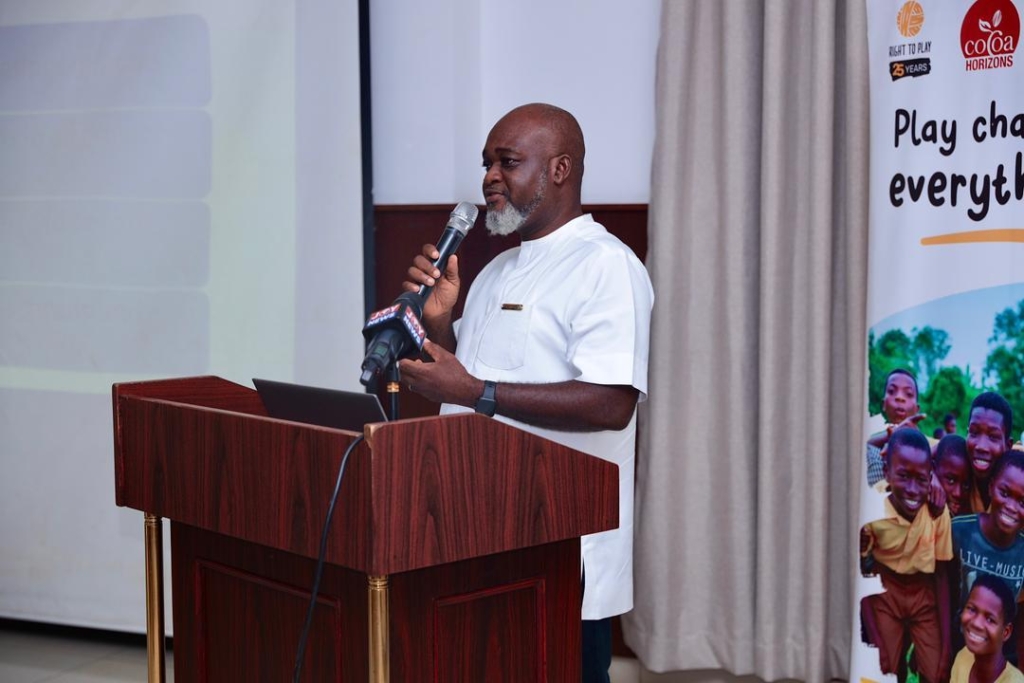
“In just six months, the Village Savings and Loans Associations have mobilised over one million Ghana cedis and disbursed more than 900,000 cedis in loans to members,” he said, explaining that the initiative is designed to ease household poverty and reduce children’s vulnerability.
He added that the project is being implemented in 15 communities across the Ashanti and Ahafo regions, combining quality education support with child protection structures at the community level.
Child Protection and Psychosocial Support Specialist at Right To Play Ghana, Olivia Ziem Tizaayel, stressed that the intervention goes beyond awareness creation.
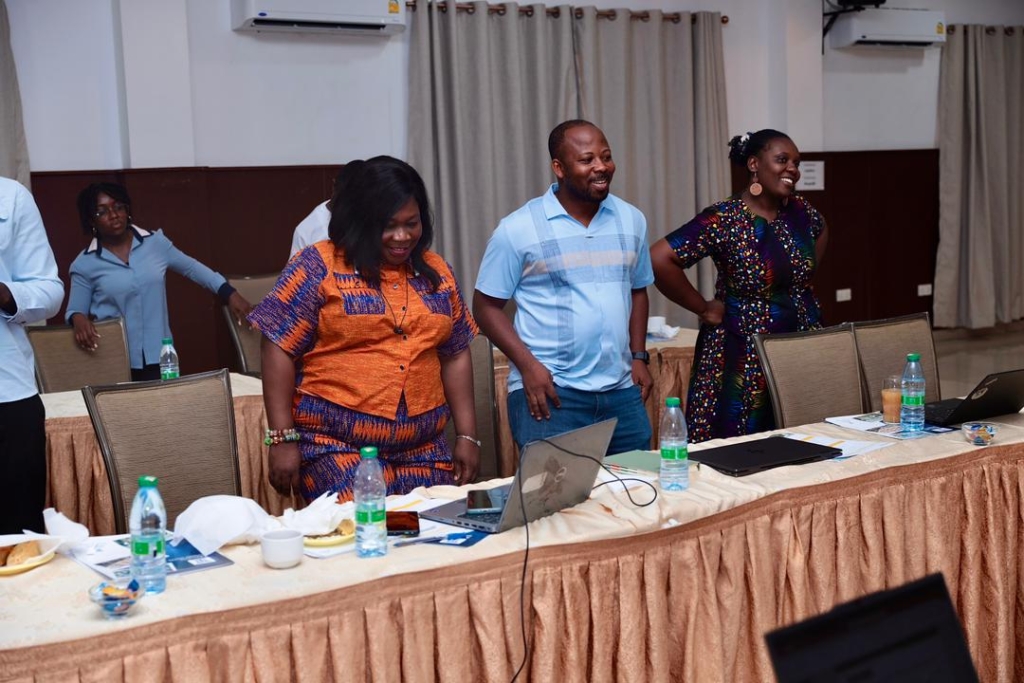
“The projects seek to strengthen district capacity to ensure referred children get the support they need,” she said.
She further noted that while reporting of child protection concerns has improved, systemic gaps persist.
“Projects do end, but child labour issues don’t end,” she cautioned, calling for stronger coordination and sustained government ownership.
Also, the Principal Programmes Officer at the Ministry of Education, Isaac Attah Baah, highlighted structural challenges affecting rural schools.
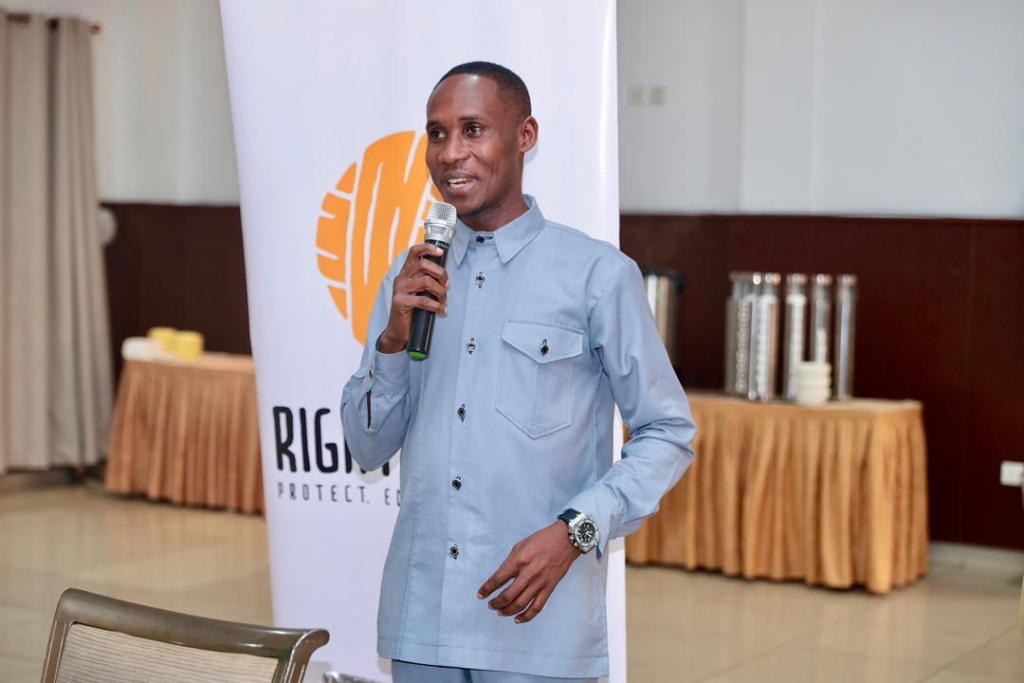
He noted that teacher shortages remain a concern and suggested that postings be decentralised to district directors to improve responsiveness to local needs.
Stakeholders at the engagement emphasised that sustained collaboration between communities, government institutions and development partners is essential to protecting children and ensuring long-term impact.
The meeting brought together representatives from key ministries and agencies to review progress and align strategies going forward.
Latest Stories
-
Fire destroys head of tipper truck on Lower Volta Bridge
16 seconds -
Palmer signs new Chelsea contract until 2034
1 minute -
World Cup visa scandal: Mahama will act on corruption allegations – Abass Nurudeen
3 minutes -
Abass Nurudeen accuses Minority of ‘scandal scavenging’ over World Cup visa controversy
5 minutes -
US Embassy recognised NSA, GFA and GTA as separate entities for visa applications – Sports Minister’s aide
11 minutes -
Only 30% of Ghanaian teachers satisfied with their jobs – CAPCOE data reveals
22 minutes -
Communities affected by construction of Akosombo Dam urge government to speed up compensation process
44 minutes -
World Cup visa scandal: Sports Ministry not shielding anyone – Sports Minister’s special aide
1 hour -
World Cup visa scandal: Over 30 people misrepresented as GTA board members to US Embassy – Vincent Assafuah alleges
1 hour -
Fire destroys wooden structure near Yesu Mo Villa at Bush Road
1 hour -
NDC threatens sanctions over oversized campaign posters, gives aspirants 5 days to comply
2 hours -
Star Oil paid GH¢2.7bn in taxes, levies in nine months of 2026
2 hours -
Samson’s Take: The rule of law is cheaper before the bulldozer
2 hours -
GRA blames system failure for delay in issuing receipt over passenger’s customs duty
3 hours -
Livestream: Newsfile discusses World Cup visa scandal, beach demolitions, education strikes, BRICS bid
3 hours