
Audio By Carbonatix
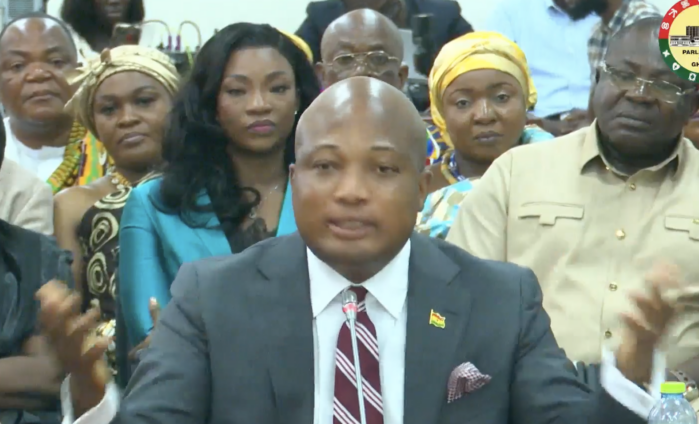
Minister nominee for Foreign Affairs, Samuel Okudzeto Ablakwa, has pledged to use foreign policy as a tool to ensure Ghanaians abroad have dignified work.
Human rights organisations advocate for safe workplace conditions for all, particularly women, promoting the rights of women workers around the world.
In Ghana, there have been concerns about reports of ill-treatment and horrible experiences some Ghanaian women seeking jobs in the United Arab Emirates in particular encounter.
Addressing this issue before Parliament’s Appointments Committee on Friday, January 31, Mr Ablakwa outlined his vision to address the problem through strategic bilateral agreements.
“One of the priority areas that the President tasked me to work on is how the Foreign Ministry can be re-positioned to help resolve the unemployment crisis in our country. According to the Ghana Statistical Service, unemployment has risen from 8.6% in 2016 to 14.7% currently," he stated.
Mr Ablakwa emphasised the need to turn labour migration into a structured and beneficial system for both the workers and the nation.
“We need to make sure this migration that is going on because of the search for employment benefits, must be regulated so that it becomes a win-win situation,” he noted.
He cited countries like Cuba and Indonesia, which have successfully leveraged foreign policy to secure employment for their citizens abroad. “They sign bilateral agreements with other countries and export labour legally, ensuring that workers rights are protected while also generating revenue for the country,” he explained.
Mr Ablakwa assured that under his leadership, the Foreign Ministry would prioritise economic diplomacy in a way where bilateral agreements will be signed.
“There are many countries looking for Ghanaian nurses, teachers, professionals, artisans, and domestic workers. Why can’t we take advantage of that to solve our unemployment crisis?” he asked.
He also highlighted the need to protect Ghanaian workers from exploitation, particularly in the Gulf region. “When these receiving countries know that the labour they have received is not from some clandestine agency engaged in human trafficking, they will be more mindful of how they treat these workers,” he stressed.
He concluded by promising to formalise and aggressively pursue these arrangements.
“Expect that we will formalise these arrangements and be very deliberate in creating jobs for our young people. We can make sure that brain drains become brain gain.”
Latest Stories
-
KOICA, GHS partner to reduce maternal and newborn deaths
3 minutes -
CEANA commissions library, ICT laboratory for Anloga Community
8 minutes -
Norway’s crown princess breaks silence on Epstein links: ‘I was manipulated and deceived’
17 minutes -
GoldBod crowned State-Owned Enterprise of the Year at PELT Awards
24 minutes -
World Cup 2026: I just want Ghana to qualify from the group stage – Gyan
28 minutes -
GoldBod sweeps top honours at PELT Awards with triple win
29 minutes -
ECG pledges network upgrades to secure stable power for Ashanti Military Command
37 minutes -
The music industry doesn’t care about your talent-7 brutal lessons from 7 years of managing and building artists
46 minutes -
Bind political parties to national development plan – GATAC President
53 minutes -
CIMG, Kings University College sign MoU to expand access to marketing certification
1 hour -
IJM Ghana donates surveillance drone to Police Marine Unit to combat child trafficking on Volta Lake
1 hour -
Gyan headlines Ghana, Africa presence as PUMA unveils World Cup kits in New York
1 hour -
Gov’t initiates talks with Burkina Faso over fresh tomato export ban
2 hours -
Joy Ghana Fest 2026 off to a flying start as doors open at Achimota Retail Center
2 hours -
3 dead as tipper truck crashes into vehicles on Apire–Hemang road
3 hours