

Audio By Carbonatix
Ghana’s Chamber of Oil Marketing Companies (COMAC) is calling for a regional approach to LPG supply and pricing to ensure that all West African countries benefit from emerging energy infrastructure, including Nigeria’s Dangote Refinery.
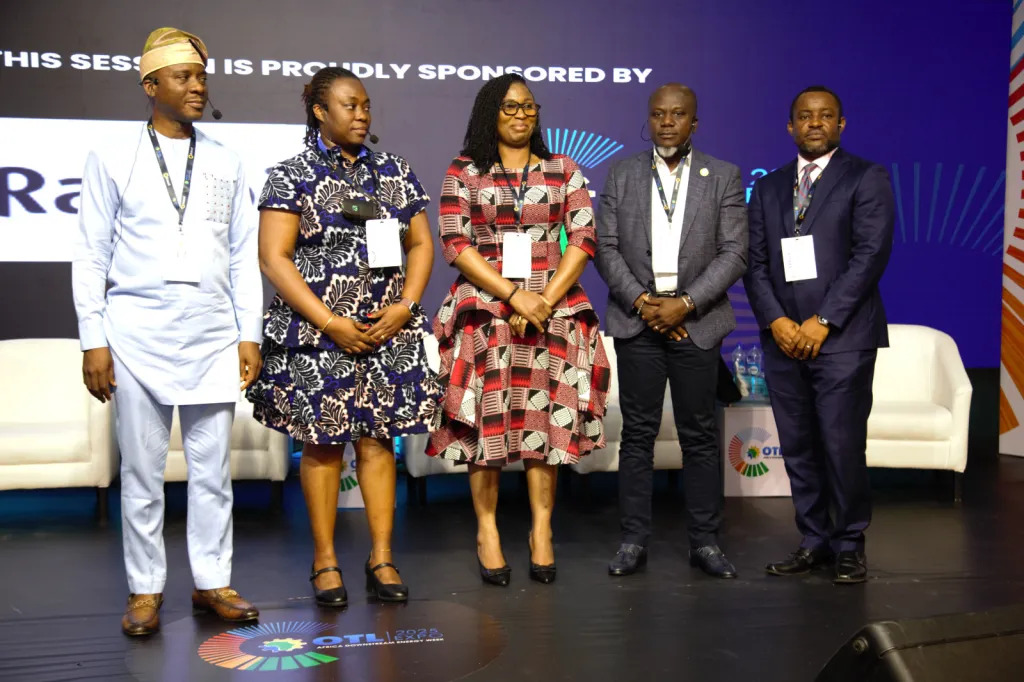
Speaking at the just-ended OTL Africa Downstream Energy Week in Lagos, COMAC Chairman Gabriel Kumi said the success of the Dangote Refinery in lowering Nigeria’s LPG prices demonstrates the power of local production — and the potential of regional energy collaboration.
“Dangote is Nigerian, yes, but he’s also West African,” Mr. Kumi said. “We all deserve to benefit from investments that promote cleaner, affordable energy across the sub-region.”
Mr. Kumi noted that increased LPG output from the refinery has already reduced Nigeria’s prices from about $1 to 80 cents per kilogram, while meeting nearly 30 percent of domestic demand.
He believes that sharing supply across borders could help lower prices in neighbouring countries like Ghana, Côte d’Ivoire, and Togo, where consumers still pay much higher rates.
Affordability, Not Availability, Will Drive Clean Energy
The COMAC Chairman stressed that affordability remains the most critical factor in LPG adoption, particularly among rural populations who continue to depend on charcoal and firewood for cooking.
“Availability does not guarantee consumption,” he said. “You can build as many LPG plants as you want, but if people can’t afford it, they won’t switch.”
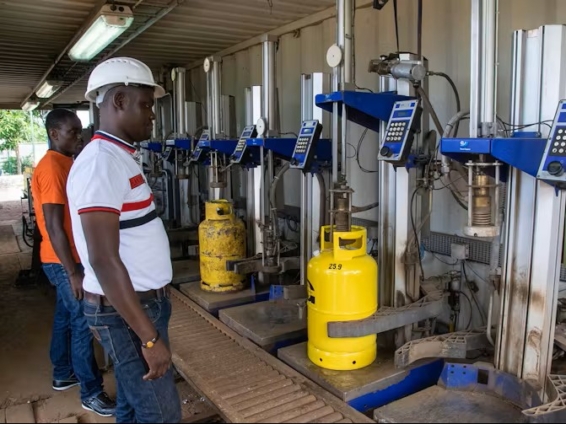
He highlighted Ghana’s cylinder recirculation policy as an important step in improving access, with nearly 1,000 refilling plants established nationwide.
However, he warned that infrastructure alone cannot deliver clean energy transition without deliberate measures to make LPG affordable.
Regional Lessons and the Path Forward
Kumi pointed to Lacroix du Bois as a success story, noting that its decision to subsidize smaller LPG cylinders has driven rapid household adoption and made it a leader in LPG penetration in West Africa.
He urged other nations to explore similar targeted subsidies, regional pricing frameworks, and consumer financing options to boost clean cooking adoption.
“LPG is not just a cooking fuel; it’s a bridge to renewables and sustainable livelihoods,” Kumi said. “If West Africa works together, we can scale access, protect our forests, and accelerate our transition to cleaner energy.”
Currently, over 900 million Africans lack access to clean cooking fuels — a figure Kumi described as “a stark reminder” that Africa’s energy transition must be rooted in practical affordability and regional cooperation, not just policy talk.
Latest Stories
-
At least 30 feared dead in crush at Haitian tourist site
57 minutes -
Four arrested over murder of Scottish businessman in Kenya
1 hour -
New Mainoo deal closer, says Man Utd boss Carrick
1 hour -
Sinner beats Alcaraz to return to world top spot
1 hour -
An inappropriate joke nearly ended his career. Now he’s back with more humour
2 hours -
GPL 2025/26: Dreams FC stage stunning comeback to hammer Eleven Wonders
3 hours -
Livestream: The Probe examines Kumasi’s looming water crisis
3 hours -
MTN Ghana gears up to lead Africa’s AI revolution
3 hours -
Philanthropist Alhaji FuZak donates Da’wah bus to Ambariya Sunni community
3 hours -
GUTA calls for suspension of Publican AI system over trade disruptions
3 hours -
TTAG raises alarm over proposed recruitment of 7,000 teachers, demands national posting roadmap
4 hours -
Civilians feared killed after reports of air strike on Nigerian market
4 hours -
Bishop Simon Kofi Appiah installed as new Jasikan Diocese Bishop
4 hours -
Trump’s Strait of Hormuz blockade threat raises risks and leaves predicaments unchanged
4 hours -
US Court backs extradition of former MASLOC CEO Sedina Tamakloe-Attionu to Ghana
4 hours