

Audio By Carbonatix
The Innovate for Clean Agricultural Technologies (INFoCAT) project has awarded grants to six young clean agritech innovators to help them scale up their innovations across Ghana, Senegal, and Côte d’Ivoire.
The awards were presented on 27th January 2026 during a high-level policy roundtable attended by stakeholders from government ministries, academia, agriculture, the renewable energy sector, media, and development partners.
The event focused on the need for gender-responsive and youth-inclusive approaches in the global transition towards low-carbon development. Speakers and participants emphasized that agriculture remains central to sustainable development and poverty reduction in low- and middle-income countries, where smallholder farmers play a key role in food security and rural livelihoods.
Despite its importance, agriculture in Sub-Saharan Africa continues to face major challenges. Limited access to affordable and reliable clean energy, as well as small-scale agricultural technologies, affects productivity, post-harvest handling, storage, and agro-processing. These challenges formed the basis for the implementation of the INFoCAT project.
The INFoCAT initiative supports young green entrepreneurs, particularly women, to develop and scale clean agritech innovations. The goal is to address energy challenges in agriculture while promoting enterprise development and inclusive economic growth.
The project seeks to advance women’s and youth economic empowerment in rural areas of selected African countries by promoting low-cost, clean, energy-powered technologies that increase productivity and income for smallholder farmers.
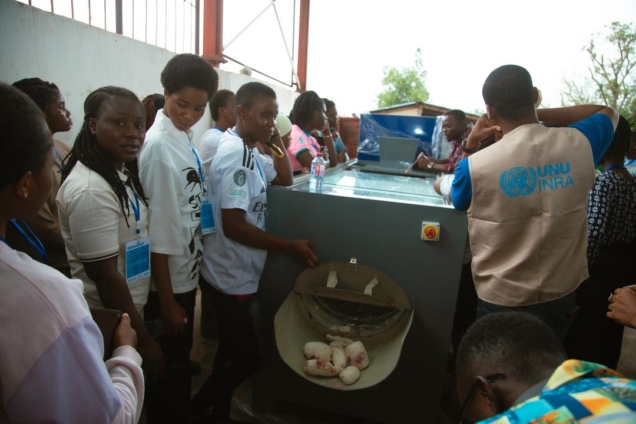
In 2023, a baseline survey was conducted in selected smallholder farming communities in Ghana, Senegal, and Côte d’Ivoire. This was followed by the INFoCAT Innovation Challenge, which selected 20 young agritech innovators — 10 from Ghana, five from Côte d’Ivoire, and five from Senegal.
Each of the selected innovators received an initial seed fund of about 7,400 US dollars, alongside continuous training workshops and coaching. The training involved renewable energy experts, green entrepreneurs, finance specialists, and agritech professionals.
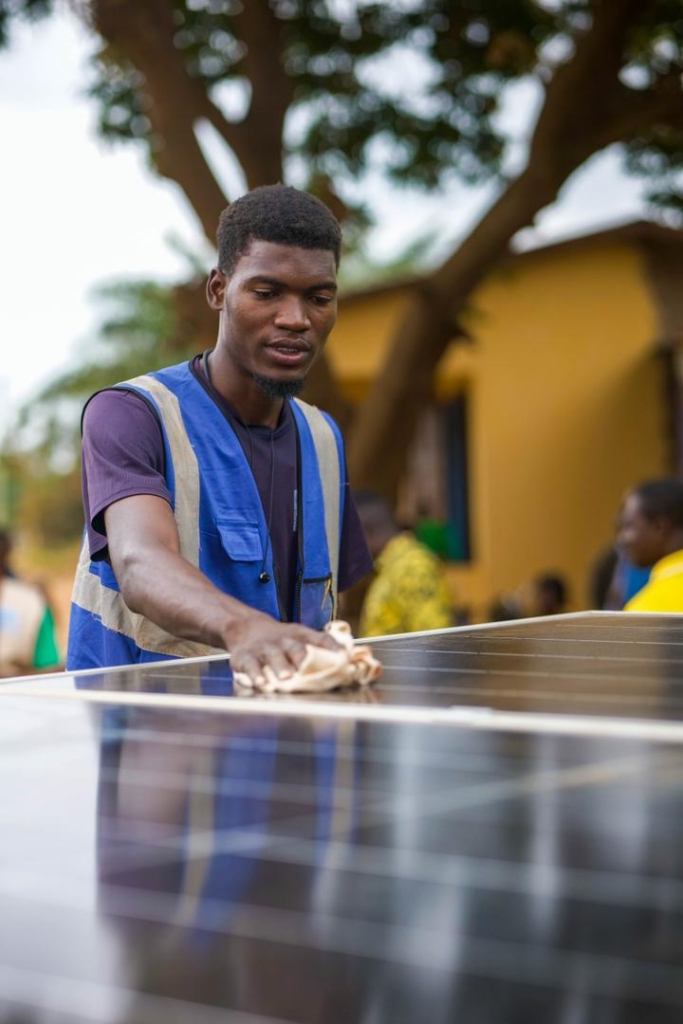
With the support of these experts, the young agritech innovators improved their technologies by incorporating clean energy solutions, making them more efficient and suitable for smallholder farming communities where the baseline studies were conducted.
Following another round of assessment, six innovators were selected as winners, two teams each from Ghana, Senegal, and Côte d’Ivoire. The winners were announced at the policy roundtable on 27th January 2026.
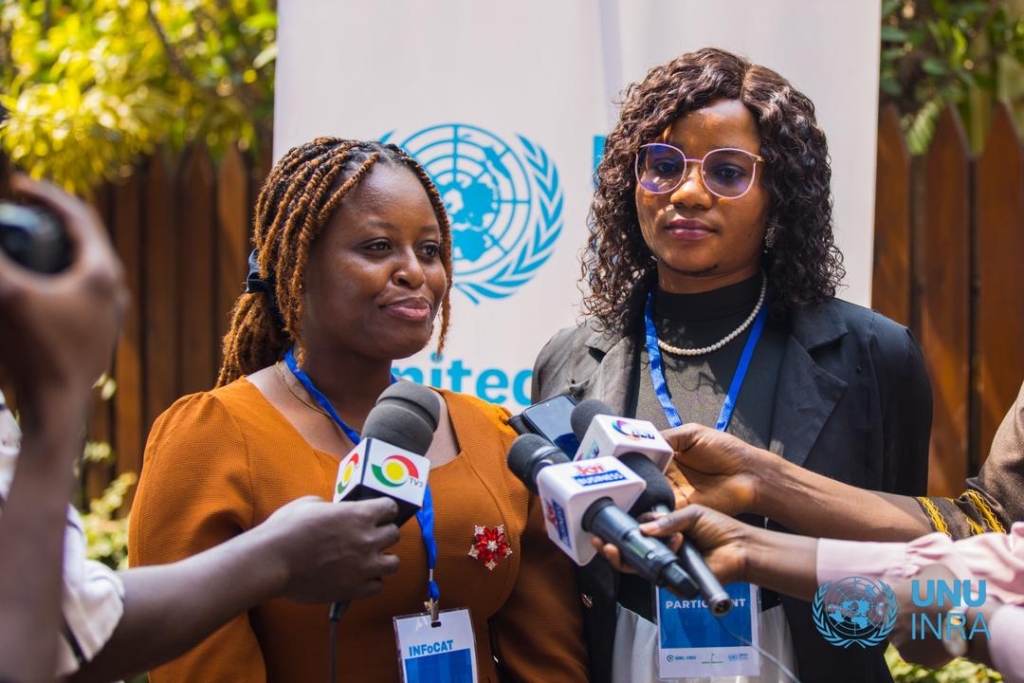
The policy roundtable aimed to present INFoCAT evidence on the design, adoption, and impact of clean energy-powered agritech innovations on agricultural productivity in Ghana.
It also sought to identify enabling policy, regulatory, and financing measures to support women and youth-led agritech enterprises, facilitate stakeholder dialogue, and generate recommendations for integrating clean agritech solutions into national agricultural and low-carbon development strategies.
As part of the event, the Best INFoCAT Agri-Tech Innovator prizes were awarded to promote the scaling and adoption of clean agritech solutions.
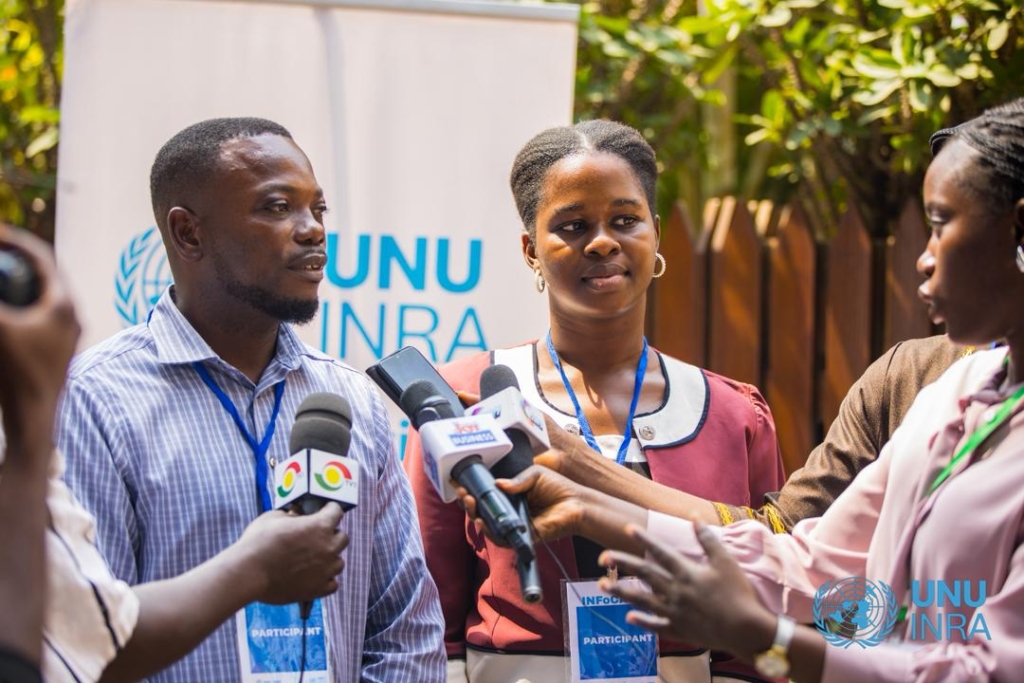
Wobil Technologies, led by Erica A. Appiah and Charity Abena Azogmi, received 25,000 US dollars for their grain winnower, an innovation that cleans grains such as rice, soya beans, maize, and other cereals.
Villiam Star Ltd, represented by William Mikado and Gifty Samani from Ghana, received 12,000 US dollars for their cassava peeling and washing machine.
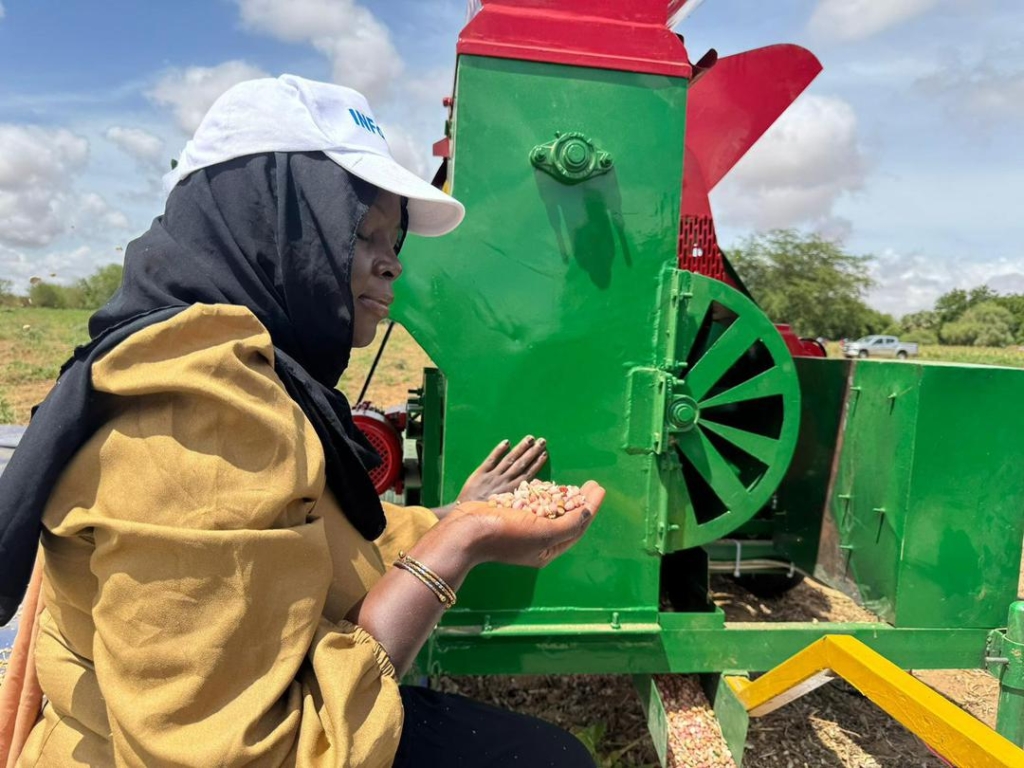
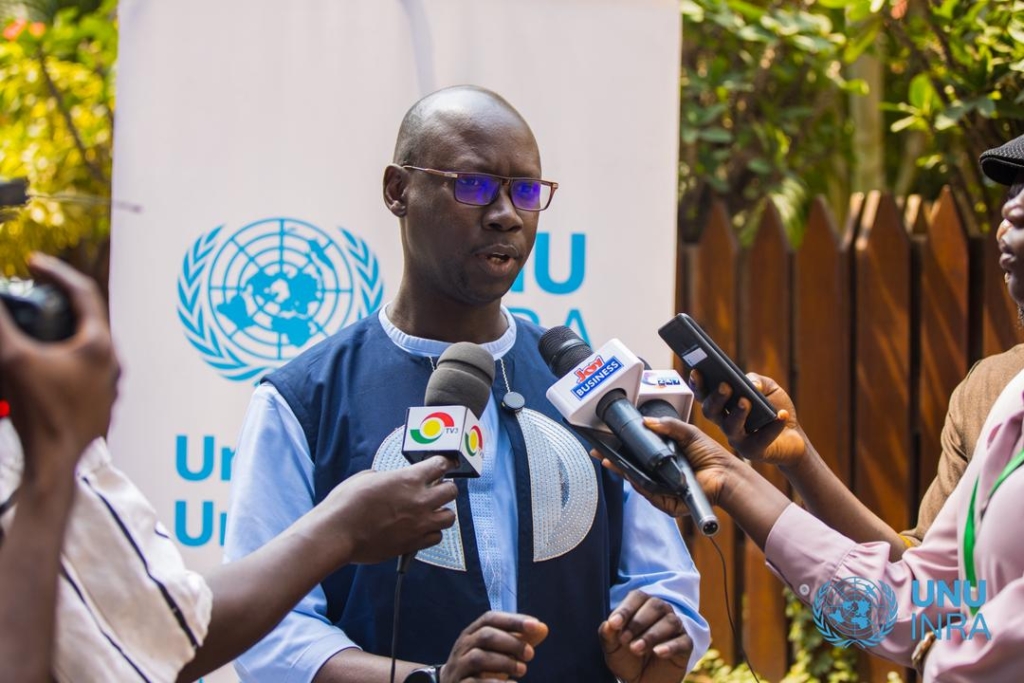
Moussa Ndoye from Senegal received 25,000 US dollars for his peanut thresher and sheller innovation.
Amdy Moustapha Niass from Senegal received 12,000 US dollars for his mini renewable energy-powered plant.
Lognigue Emmanuel Yeo of Lynays Corporation from Côte d’Ivoirereceived 25,000 US dollars for a solar smart irrigation system that supports efficient water management.
Achi David of AD Solar received 12,000 US dollars for solar dryers designed for vegetables.
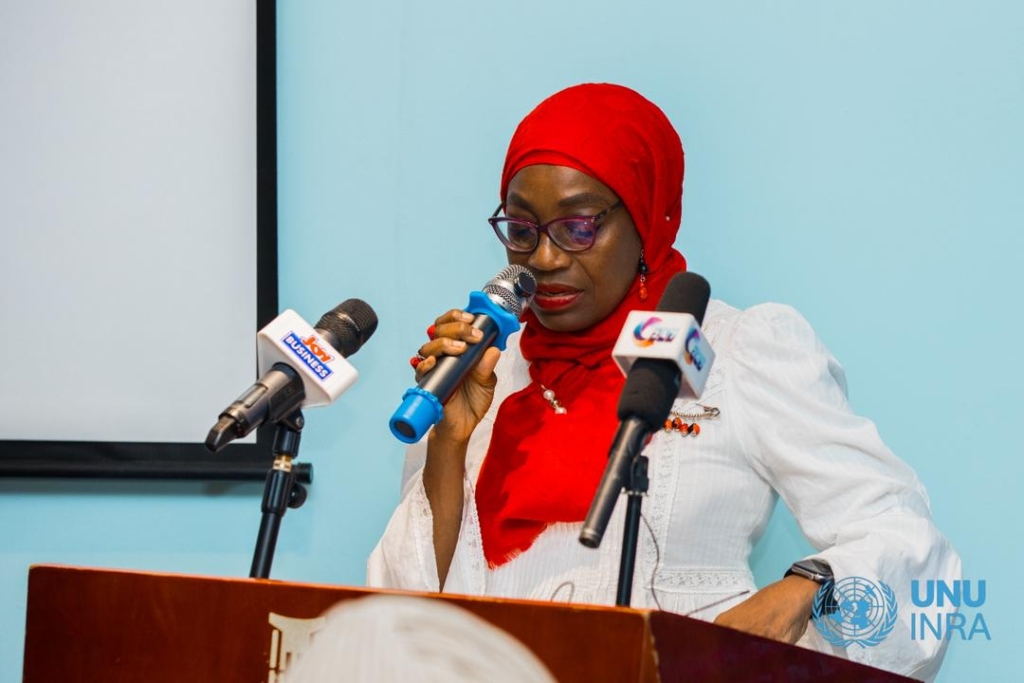
With INFoCAT positioned at the intersection of entrepreneurship, clean energy, agriculture, and gender inclusion, the Principal Investigator for INFoCAT and Director of the United Nations University Institute of Natural Resources in Africa (UNU-INRA), Prof. Fatima Denton, called on regional bodies to build on the project’s success.
She urged institutions such as ECOWAS and the African Union to use the INFoCAT pilot as a “launching pad.”
She added that the lessons learned from INFoCAT, particularly its impact in training and coaching young agritech innovators to green their technologies, should be scaled up and adopted more widely.
According to her, this will help reduce drudgery, improve efficiency and productivity among smallholder farmers, and ensure that through a gendered implementation approach, no one is left behind in the transition towards low-carbon development.
INFoCAT, implemented by UNU-INRA, is funded by the International Development Research Center (IDRC) under the Clean Energy for Development: A Call for Action (CEDCA) initiative.
The project is being implemented in Ghana, Senegal, and Côte d’Ivoire, in partnership with Enda Energie (Senegal) and the UNU-INRA Operating Unit in Côte d’Ivoire.
Latest Stories
-
Bekwai MP donates GH¢100,000 to hospital for specialist equipment
8 minutes -
Van Vicker sues Lil Win for defamation, demands GH¢10m
13 minutes -
FIFA/ FIBA agency Pep Sports moves to admit Ghana’s 7-Foot Basketball talent to its Ultra-Modern Sports campus after MyJoyOnline report
15 minutes -
GAUA strike disrupts academic plans at University of Ghana as students, parents express frustration
20 minutes -
Dad’s Army/African Polistas crowned champions of 2026 Accra Polo Club Trustees’ Cup
27 minutes -
Mahama approves Integrated Basic Education Model, with funding expected in 2027 under GETFund formula
30 minutes -
Money-driven elections fuelling corruption – Haruna Iddrisu
34 minutes -
Excessive borrowing ‘cracked’ Ghana’s economy under Akufo-Addo – Haruna Iddrisu
43 minutes -
NPP’s silence on economic indicators suggests Mahama is doing better – Haruna Iddrisu
56 minutes -
GoldBod must be more accountable to Ghanaians – Haruna Iddrisu
1 hour -
Affi Agbenyo’s EC appointment is constitutionally appropriate, but politically, people have the right to remind us – Haruna Iddrisu
1 hour -
Accra Mall brings Soulful Weekend Vibes to October with Live R&B and Jazz
2 hours -
Education is critical to Ghana’s future and development – Haruna Iddrisu
2 hours -
Who’s Emelia Affi Agbenyo, the 43-year-old newly sworn-in Deputy EC Chair?
2 hours -
Haruna Iddrisu calls for limits on annual university accommodation fee increases
3 hours