

Audio By Carbonatix
Ghana’s Chamber of Oil Marketing Companies (COMAC) is calling for a regional approach to LPG supply and pricing to ensure that all West African countries benefit from emerging energy infrastructure, including Nigeria’s Dangote Refinery.
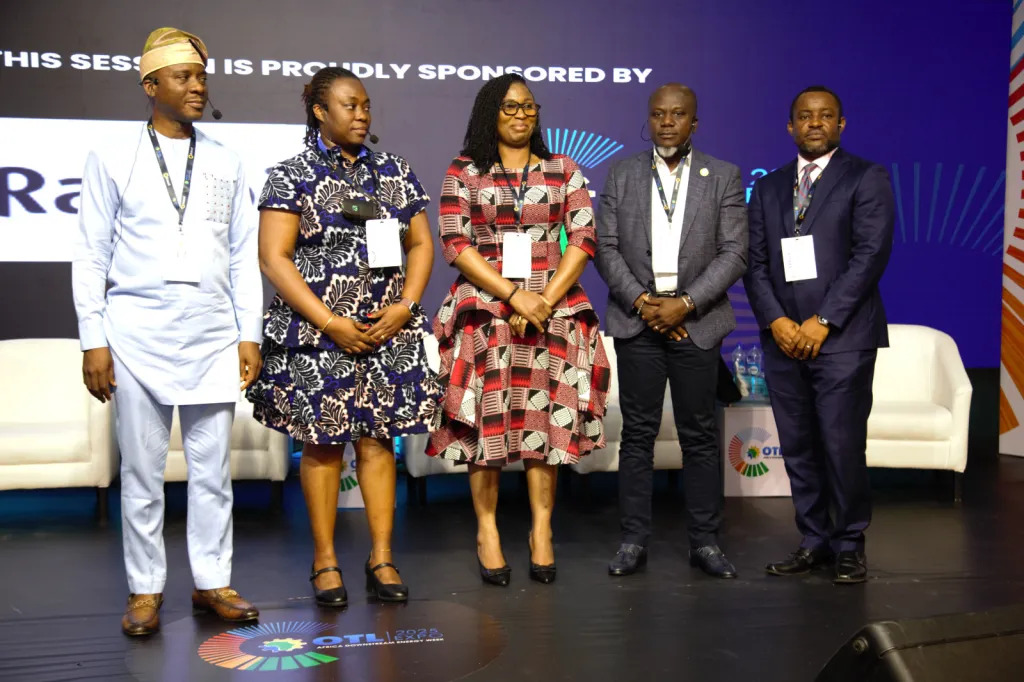
Speaking at the just-ended OTL Africa Downstream Energy Week in Lagos, COMAC Chairman Gabriel Kumi said the success of the Dangote Refinery in lowering Nigeria’s LPG prices demonstrates the power of local production — and the potential of regional energy collaboration.
“Dangote is Nigerian, yes, but he’s also West African,” Mr. Kumi said. “We all deserve to benefit from investments that promote cleaner, affordable energy across the sub-region.”
Mr. Kumi noted that increased LPG output from the refinery has already reduced Nigeria’s prices from about $1 to 80 cents per kilogram, while meeting nearly 30 percent of domestic demand.
He believes that sharing supply across borders could help lower prices in neighbouring countries like Ghana, Côte d’Ivoire, and Togo, where consumers still pay much higher rates.
Affordability, Not Availability, Will Drive Clean Energy
The COMAC Chairman stressed that affordability remains the most critical factor in LPG adoption, particularly among rural populations who continue to depend on charcoal and firewood for cooking.
“Availability does not guarantee consumption,” he said. “You can build as many LPG plants as you want, but if people can’t afford it, they won’t switch.”
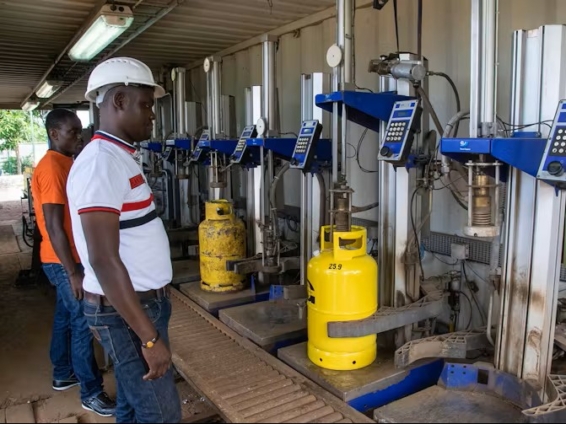
He highlighted Ghana’s cylinder recirculation policy as an important step in improving access, with nearly 1,000 refilling plants established nationwide.
However, he warned that infrastructure alone cannot deliver clean energy transition without deliberate measures to make LPG affordable.
Regional Lessons and the Path Forward
Kumi pointed to Lacroix du Bois as a success story, noting that its decision to subsidize smaller LPG cylinders has driven rapid household adoption and made it a leader in LPG penetration in West Africa.
He urged other nations to explore similar targeted subsidies, regional pricing frameworks, and consumer financing options to boost clean cooking adoption.
“LPG is not just a cooking fuel; it’s a bridge to renewables and sustainable livelihoods,” Kumi said. “If West Africa works together, we can scale access, protect our forests, and accelerate our transition to cleaner energy.”
Currently, over 900 million Africans lack access to clean cooking fuels — a figure Kumi described as “a stark reminder” that Africa’s energy transition must be rooted in practical affordability and regional cooperation, not just policy talk.
Latest Stories
-
Mahama commits GH¢200m in 2027 Budget to complete Police Hospital expansion
2 minutes -
Standard Chartered Bank delivers strong returns and sustainable shareholder value
13 minutes -
Akufo-Addo’s role in the artificial cedi stability is indisputable — Facts do not bend to political convenience
16 minutes -
Breaking Bad actor RJ Mitte dies aged 34
22 minutes -
Wontumi pleads not guilty in GH¢30m Exim Bank loan case
27 minutes -
Beyond the Flyer: Awareness without screening is not enough
34 minutes -
Bekwai MP donates GH¢100,000 to hospital for specialist equipment
41 minutes -
Van Vicker sues Lil Win for defamation, demands GH¢10m
47 minutes -
FIFA/ FIBA agency Pep Sports moves to admit Ghana’s 7-Foot Basketball talent to its Ultra-Modern Sports campus after MyJoyOnline report
49 minutes -
GAUA strike disrupts academic plans at University of Ghana as students, parents express frustration
54 minutes -
Dad’s Army/African Polistas crowned champions of 2026 Accra Polo Club Trustees’ Cup
1 hour -
Mahama approves Integrated Basic Education Model, with funding expected in 2027 under GETFund formula
1 hour -
Money-driven elections fuelling corruption – Haruna Iddrisu
1 hour -
Excessive borrowing ‘cracked’ Ghana’s economy under Akufo-Addo – Haruna Iddrisu
1 hour -
NPP’s silence on economic indicators suggests Mahama is doing better – Haruna Iddrisu
2 hours