

Audio By Carbonatix
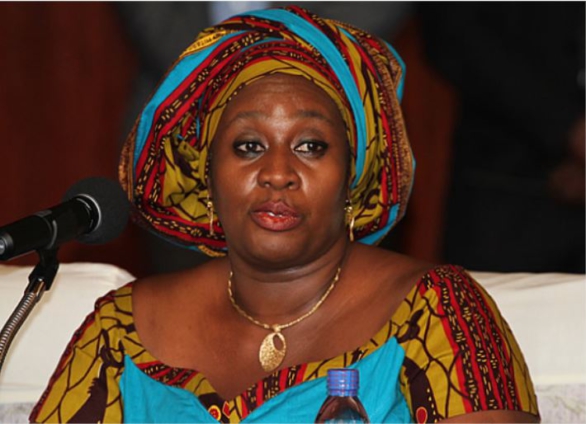
Political activist and physician Arthur Kobina Kennedy has warned that any decision to grant bail pending appeal or a presidential pardon to former MASLOC Chief Executive Sedina Tamakloe-Attionu could reinforce public perceptions that influential individuals receive preferential treatment under Ghana's justice system.
Speaking on JoyNews' Newsfile on the ongoing debate surrounding Attionu's conviction and extradition, Dr. Kennedy said he would be surprised if she were granted bail pending appeal, arguing that such a decision could further undermine confidence in the fairness of the judicial process.
"It will be surprising if she is granted bail, and it will fuel even more my skepticism about the fairness of our judicial process," he stated.
He also addressed the possibility of a presidential pardon should Attionu's appeals ultimately fail, acknowledging that the President has the constitutional authority to grant clemency but cautioning against the public perception such a move could create.
"If the President grants her a pardon, of course he has a right to grant pardons, but it will still feed the public's perception that there are special rules for powerful people," he said.
Dr. Kennedy argued that many Ghanaians already believe there is a disparity in how the law treats petty offenders compared to individuals convicted of large-scale financial crimes.
"I think that in this country, you are in more danger being a cassava or plantain thief than stealing millions from the state using a pen or connections, and I stand by that conviction," he remarked.
According to him, decisions perceived as favouring politically connected or influential individuals risk deepening public distrust in democratic institutions and the administration of justice.
However, he noted that a pardon could be viewed differently if it were tied to meaningful restitution and compensation to the state.
"Of course, you can do a pardon in which the person does restitution and brings back punitive damages, just like a plea deal or something like that," he explained.
Dr. Kennedy suggested that if substantial restitution were made and health concerns genuinely warranted clemency, the public might be more understanding of such a decision. Nevertheless, he stressed that accountability must remain at the centre of any outcome.
His comments come amid ongoing public discussions over the enforcement of Attionu's conviction, her legal options on appeal, and broader concerns about whether Ghana's justice system applies the law equally to all citizens regardless of status or political influence.
Latest Stories
-
Is Ghana losing the fight to protect children online?
10 minutes -
Ghana Institution of Surveyors pushes for Governing Council Bill, conference reforms
10 minutes -
Professional collaboration key to Ghana’s land, property development – Western Regional Minister
21 minutes -
UPSA holds first session of 18th Congregation.
26 minutes -
Why demand another country’s medical records? – Mahama on Ghana’s rejection of ‘humiliating’ US health compact
30 minutes -
Mentorship critical to survival and growth of MSMEs – Sinapi Aba Trust
30 minutes -
Nsawam Adoagyiri MP joins residents to oppose Agbogbloshie waste relocation to his constituency
43 minutes -
New monitoring system rolled to step up fight against child labour in Ghana
44 minutes -
Patrick Donkor
45 minutes -
GHS, Oxfam sensitise young people in Ekon on contraception, reproductive health to mark World Contraception Day
46 minutes -
Let private sector drive economic transformation – Alan Kyerematen
49 minutes -
GoldBod changes gold assay regime, makes XRF testing definitive from October 1
53 minutes -
Ghana sees geopolitical tensions as opportunity to end dependence – Ablakwa
56 minutes -
Empower community radio stations to strengthen public engagement – Former Sports Minister
1 hour -
La Dade-Kotopon MP calls for Ga language programmes in schools and on radio
1 hour