

Audio By Carbonatix
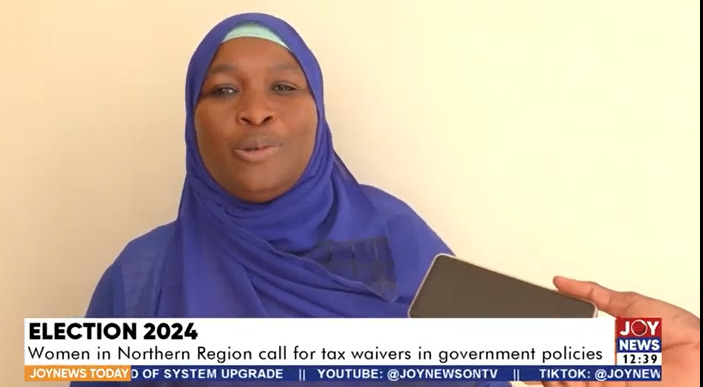
Women in the Northern Region are urging political parties to provide clear timelines for implementing economic policies tailored to their needs. They are also advocating for tax waivers to be included in policies proposed by the next government.
This call was made during a policy dialogue held in Tamale under the theme “Sustainable Development, The Economy We Want."
The event, organised by Swida and its partners, aimed to offer women from various economic sectors a platform to engage political parties and seek clarity on their manifestos.
The Executive Director of Swida, Alima Saeed, emphasized the importance of accountability in governance. “Many political parties emphasize their plans for women, and we believe it is crucial to create forums where women can understand, demand accountability, and actively participate in governance after elections,” she said.
One key issue discussed was the tax burdens faced by women, particularly those in rural areas. A Gender advocate and administrator at the University for Development Studies (UDS), Faidatu Alhassan, highlighted how high tax rates negatively impact women in agribusiness, small-scale enterprises, and trade.
“Most of these women end up paying excessive taxes on the goods and services they procure, making it difficult for them to earn a sustainable living,” she explained.
The Northern Regional Director of the Department of Gender also expressed concerns about inequitable resource allocation. “If you claim to empower women, focus should be placed on local women who typically require smaller sums of capital to start or sustain their businesses. Policies must ensure that these women, and not just a select few, truly benefit,” she stated.
Queen Mother of Damongo, Alidjatu Haruna, called out the lack of effective implementation of policies designed to support women. “Political parties may present excellent policies, but implementation remains a major challenge. Take affirmative action, for example, how many women are in key decision-making positions? How many represent their district assemblies? Despite lobbying, the desired outcomes are not achieved,” she noted.
The dialogue underscored the need for political parties to go beyond rhetoric by presenting realistic, measurable plans that address women’s economic challenges while ensuring inclusive policy implementation.
Latest Stories
-
A source of excellence across generations – Vice President Opoku-Agyemang lauds Mfantsipim
51 minutes -
(Photos) Mfantsipim School launches historic 150th anniversary
1 hour -
Knights and Ladies of Marshall group backs Catholic Bishops’ stance on anti-LGBTQ+
2 hours -
Bright Simons writes: All the Filla in the Ibrahim Mahama/E&P – Gold Fields Saga
3 hours -
Monetise Idiocy In Ghana
3 hours -
The Ghanaian prophet and the mysterious death of his scottish wife Charmain Speirs
3 hours -
Nearly 400 sentenced in Nigeria for links to militant Islamists
4 hours -
Ghana’s recovery supported by gold strength despite global oil price pressures – Standard Bank Research
4 hours -
Methodist Church hails Mfantsipim@150; calls for “fresh consecration” to excellence
4 hours -
‘Excellence is our inheritance’ – Nana Sam Brew-Butler hails Mfantsipim’s 150-year reign in leadership
4 hours -
Kwaku Azar writes: A-G vs OSP
4 hours -
Mfantsipim–Adisadel rivalry built excellence, not division – Sam Jonah
5 hours -
Vice President launches Mfantsipim’s 150 years of shaping Ghana’s greatest mind
5 hours -
I assure Otumfuo, Mahama will join him to commission KNUST Teaching Hospital by end of this year – Haruna Iddrisu
6 hours -
Barcelona dominate derby to extend La Liga lead
6 hours