

Audio By Carbonatix
Communities in Ghana’s Upper East and Upper West regions are expected to benefit from a set of interventions under the newly launched BORDER Project, spearheaded by World Vision Ghana.
The initiative, which aims to promote development and strengthen regional stability, is being implemented in collaboration with RACED Ghana and with funding support from the PATRIP Foundation.
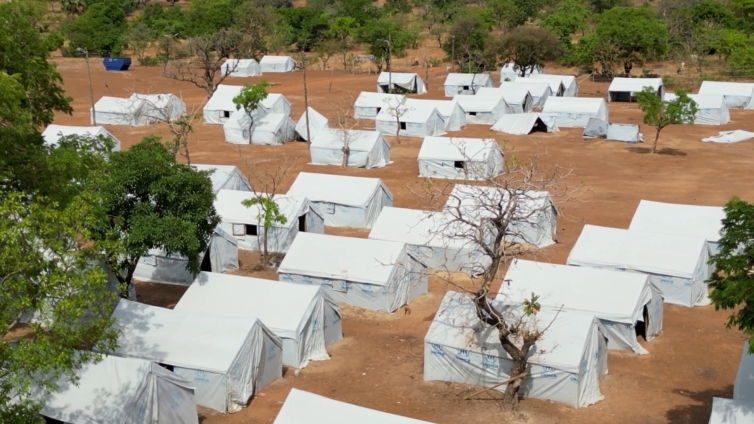
The project is targeting some of the most vulnerable areas along Ghana’s northern frontier, including Zini, Fielmo, and the Zini Refugee Camp in the Sissala West District; Bansi and Issakatinga in the Binduri District; and Tarikom along with the Tarikom Refugee Camp in the Bawku West District.

These communities were selected due to their growing exposure to climate shocks, severe food insecurity, environmental degradation, and an increasing influx of refugees from neighbouring Burkina Faso. The strain on already limited resources has intensified socio-economic pressures, heightening the risk of social tensions and threatening local peace and cohesion.
A press statement issued on May 16, 2025, revealed that the BORDER Project will directly benefit 19,219 individuals comprising 13,454 Ghanaians and 5,765 Burkinabe refugees and is expected to indirectly impact an additional 33,657 residents across the five target communities and two refugee settlements.
Key interventions under the BORDER Project include the provision and rehabilitation of solar-powered water systems, construction of biofill ecological sanitation facilities for homes, schools, and health centres, refurbishment of healthcare facilities, with a focus on maternal and child health, establishment of drip irrigation systems to support year-round farming and training of farmers in climate-smart agricultural techniques.
It also seeks to promote sustainable land use through Community Resource Management Areas (CREMAs) and build capacity for traditional leaders, local authorities, and security personnel in peace building and conflict resolution.
The BORDER Project is aligned with Ghana’s National Development Plan 2030, the United Nations Sustainable Development Goals (SDGs), and the Gulf of Guinea Joint Response Plan.
By investing in essential infrastructure and building the capacity of local communities, the initiative seeks to trigger a lasting ripple effect of peace, prosperity, and resilience across Ghana’s border regions and the wider West African sub-region.
Latest Stories
-
Adenta Circuit Court remands Pastor William Gyimah over viral threats against Vice President
14 minutes -
“We’ve implemented changes to prevent a repeat of the AFCON final” – CAF President Motsepe
17 minutes -
Gov’t orders deployment of Metro Mass buses to cushion commuters amid fuel price hike
1 hour -
Key Indian state polls begin in test for Modi’s party
1 hour -
Playback: Gomoa Easter Carnival in photos
1 hour -
Gov’t orders removal of fuel taxes to ease pump price hikes
2 hours -
“Whatever the decision of CAS, we will respect it” – CAF President Motsepe after AFCON final meetings in Morocco
2 hours -
Emma Ankrah: When waiting becomes part of treatment – Reflections on hospital care
2 hours -
Ghana urges travellers to prepare for new EU border system roll-out
2 hours -
Mahama enforces fuel coupon ban for ministers as cabinet moves to slash fuel taxes
2 hours -
Task force probes strange fish deaths in Tema
2 hours -
Neglected traffic lights turn Awoshie–Anyaa highway into deadly hotspot
3 hours -
EOCO declares Dr Gabriel Tanko Kwamigah-Atokple a fugitive over alleged gold fraud
3 hours -
GSE records GH¢1.09bn trade in equity market; 10 stocks register gains
3 hours -
Fuel prices: Ghana places 15th in Africa
3 hours